
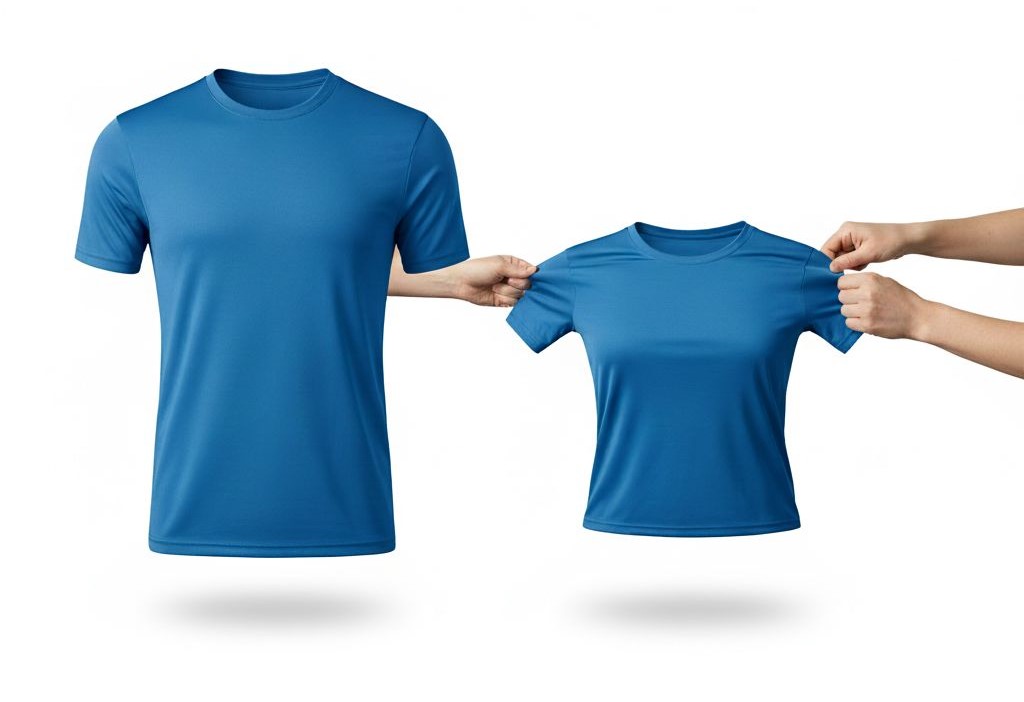
You just bought a polyester shirt that fits perfectly until the first wash leaves it feeling a little tighter. Or your favorite gym leggings spring right back, no matter how much you move. It’s confusing, right? Does polyester really stretch, or does it just hold its shape?
In this complete guide, we’ll clear the confusion once and for all explaining how polyester behaves, what affects its stretch, and how you can choose, wear, and care for it like a pro.
Does Polyester Stretch?
100% polyester has very limited natural stretch, but the story changes when it’s knitted, blended with spandex, or exposed to heat and movement.
| Fabric Type | Stretch Level | Why It Matters |
| 100% Polyester (Woven) | Low (5–10%) | Keeps shape, ideal for structured garments |
| Knitted Polyester | Moderate (15–20%) | Loops add flexibility and comfort |
| Polyester + Spandex Blend | High (20–60%) | Excellent for active wear and fitted clothing |
Why It Matters
The question ‘Does polyester stretch?’ has a surprisingly complex answer that depends entirely on how the fabric is made. To really understand why polyester acts the way it does, we need to go a little deeper. In the next few sections, you’ll learn:
- How polyester’s fiber structure affects its flexibility
- Why knitting and blending can transform its behavior
- How to stretch polyester safely (and when not to)
- How to choose the right fabric for comfort and durability
By the end of this guide, you’ll know exactly which polyester fabrics stretch, how to test them, and how to keep your clothes from losing their shape.
Key Takeaways
- 100% polyester = limited stretch but strong recovery
- Knit or blended polyester = flexible and comfortable
- Stretch depends on fiber blend, weave, and heat
- Understanding stretch helps you shop smarter and care better
How Much Does Polyester Actually Stretch?
Polyester’s stretch depends on fabric construction and blend ratio. Polyester isn’t naturally elastic, but it can stretch between 5% and 60% depending on how it’s made and what it’s blended with.
For woven:
Woven polyester is tightly structured, so the threads barely move. Expect around 5–10% give just enough for comfort, not flexibility.
For knitted:
Knitted polyester, on the other hand, uses looped threads that naturally allow motion. It typically stretches 15–20%, similar to cotton jersey fabrics.
For blends:
When mixed with spandex or elastane, polyester’s elasticity skyrockets. A 90/10 polyester-spandex blend can stretch up to 50–60% and instantly recover its shape.
So while 100% polyester resists stretch, its structure and blend composition completely change its behavior.
Next, let’s explore what actually makes polyester stretch or not.
What Makes Polyester Stretch (or Not Stretch)?
Ever wondered why one polyester top feels stiff while another moves like a second skin?
The secret lies deep inside the fabric’s fiber chemistry and construction method.
Let’s uncover how each factor shapes polyester’s stretch behavior.
The Science Behind Polyester Fibers
At its core, polyester is made from long plastic like chains known as polymers specifically polyethylene terephthalate (PET).
These chains line up in tight, orderly rows that resist movement, giving polyester its strength and wrinkle resistance but limiting natural elasticity.
When heat or tension is applied (like ironing or body warmth), those molecular chains can soften slightly and allow minimal give.
That’s why a polyester shirt may loosen a little after wear but quickly bounce back once cooled. Its recovery rate is high, even if stretch is low.
Quick Fact: Polyester can elongate roughly 5–10 % under tension but will return almost completely to its original shape a property known as elastic recovery.
Woven vs Knitted Polyester
How the fibers are arranged matters even more than the fiber itself.
Think of it like building with ropes versus springs:
| Structure | How It’s Made | Stretch Behavior | Common Uses |
| Woven Polyester | Threads criss-cross at 90° angles | Taut and firm stretches only 5–10 % | Shirts, trousers, curtains |
| Knitted Polyester | Threads loop together like tiny coils | Flexible stretches 15–20 % easily | T-shirts, legging |
Try this at home: tug a woven polyester sleeve, it hardly moves.
Now pull a knitted active wear top, you’ll feel instant flexibility.
That difference isn’t fiber chemistry; it’s fabric architecture.
Takeaway: Knitting introduces microscopic loops that behave like springs, allowing motion and comfort that plain weaves can’t match.
Role of Blends and Weaves
Pure polyester may be tough, but when it teams up with other fibers, it becomes truly versatile.
Adding just a little spandex, elastane, or cotton can completely change its behavior.
| Blend Composition | Stretch Potential | Real-World Example |
| 95 % Polyester + 5 % Spandex | Up to 50–60 % stretch | Gym leggings, fitted dresses |
| 80 % Polyester + 20 % Cotton | 15–20 % stretch | Polo shirts, casual tees |
| 70 % Polyester + 30 % Rayon | 10–15 % stretch | Soft office blouses |
Blended fabrics balance polyester’s durability with the other fiber’s comfort and elasticity.
In essence, the higher the spandex percentage, the greater the stretch but recovery and longevity depend on polyester’s backbone.
Shop Smart Tip: When reading labels, look for 5–10 % spandex if you want flexibility without losing shape. More than 10 % adds comfort; less keeps structure.
How Polyester Compares to Other Fabrics in Stretch & Recovery
Understanding polyester’s stretch means little until you see how it stacks up against the materials you wear every day. Cotton, nylon, spandex, and rayon all behave differently under tension and that’s what determines comfort, fit, and longevity.
Polyester vs Cotton
Cotton has moderate natural stretch but poor recovery once it stretches, it rarely snaps fully back. Polyester, however, has limited stretch but excellent recovery.
That’s why polyester shirts hold shape after washing, while cotton ones often sag or shrink.
| Feature | Polyester | Cotton |
| Natural Stretch | Low (5–10 %) | Medium (10–20 %) |
| Recovery | Excellent | Poor |
| Feel | Smooth, slightly slick | Soft, breathable |
| Common Use | Activewear, uniforms | Casual wear, basics |
Takeaway: Choose polyester blends when you want garments that keep shape and resist sagging; choose cotton when you prefer softness over structure.
Polyester vs Nylon
Both are synthetic, but nylon is more elastic than polyester. Nylon can elongate up to 25–30 %, making it ideal for tights and swimwear, though it can lose shape faster under heat.
| Feature | Polyester | Nylon |
| Stretch | Moderate | High |
| Recovery | Excellent | Good |
| Durability | Very high | High |
| Moisture Resistance | High | Moderate |
Takeaway: Nylon wins for flexibility; polyester wins for shape retention and UV resistance.
Polyester vs Spandex (Elastane)
This is the ultimate contrast: spandex is built for stretch, capable of 500 % elongation. Polyester only matches that when blended.
| Feature | Polyester | Spandex |
| Stretch | 5–20 % | 300–500 % |
| Recovery | Excellent | Outstanding |
| Strength | High | Moderate |
| Use | Outer layer | Stretch core (leggings, sportswear) |
Takeaway: Polyester adds strength and structure to spandex garments together they create flexible yet durable performance wear.
Final Comparison Summary
| Fabric | Stretch % | Recovery | Ideal Use |
| Polyester | 5–20 % | Excellent | Everyday & active wear |
| Cotton | 10–20 % | Poor | Soft casuals |
| Nylon | 25–30 % | Good | Swimwear, hosiery |
| Spandex | 300–500 % | Outstanding | Stretch base fabrics |
Quick Insight: Polyester may not stretch the most, but it’s the most balanced keeping form, durability, and easy care where other fabrics trade one for another.
Now that you know how polyester measures up to other materials, let’s look at whether you can safely stretch it after it’s made and what methods actually work.
Can Polyester Be Stretched after It’s Made?
Sometimes your favorite polyester shirt feels a bit snug after a wash, or your dress could use just a little more give.
Good news polyester can stretch slightly after it’s made, but only under the right conditions.
Here’s how to loosen it safely without damaging the fibers.
How to Loosen Polyester Clothing
If your polyester garment feels tight, you can coax a little flexibility out of it using heat, moisture, and gentle tension.
Step-by-step guide:
- Soak the fabric in warm (not hot) water for about 15 minutes.
- Add hair conditioner or baby shampoo it relaxes the fibers slightly.
- Gently stretch the fabric while wet don’t pull sharply; ease it out slowly.
- Lay flat to dry, stretching lightly into shape as it dries.
Pro Tip: This method usually increases size by 3–5 % enough for a more comfortable fit but not enough to resize drastically.
What to Avoid
Polyester fibers are thermoplastic, meaning they soften under heat.
While warmth can make stretching easier, too much heat can deform or shrink the fibers permanently.
Avoid:
- Hot water or dryers over 60°C (140°F)
- Direct ironing on high heat
- Aggressive pulling when wet
Quick Fact: Polyester melts at around 250°C (480°F) even medium iron settings can distort its weave, leading to shiny patches or ripples.
Does Polyester Shrink or Stretch over Time?
Unlike cotton polyester doesn’t shrink easily.
Instead, it may loosen slightly with repeated wear, especially around stress areas like knees, elbows, and waistbands.
However, because it has excellent shape recovery, it usually returns to its original form after washing and drying correctly.
Summary Table:
| Condition | Behavior | Solution |
| Tight after washing | Slight temporary shrinkage | Warm soak + gentle stretch |
| Loose after many wears | Fabric fatigue | Cool wash + air dry to restore |
| Permanent stretching | Rare | Prevent with proper care |
Care Tip: Use cold to warm water cycles and low tumble drying this keeps the fibers stable and the fit consistent.
Real World Example
A polyester blouse washed in warm water and air dried regained its comfort fit after a light stretching session about a 2 cm width increase without visible distortion.
This demonstrates that polyester responds best to controlled, mild stretching, not force. Now that you know how to adjust polyester’s fit safely, let’s move on to how to choose the right polyester garment one that gives you the stretch, comfort, and shape you need from day one.
How to Choose the Right Polyester Garment for Your Needs
Whether you’re shopping for gym leggings, office shirts, or durable outerwear, the type of polyester you pick determines comfort, flexibility, and how long it lasts.
Here’s how to make smart, stretch savvy choices before you buy.
Read the Fabric Label like a Pro
The label is your roadmap it reveals exactly how the fabric will behave.
Look for these cues:
- “100% Polyester” → firm structure, crisp look, minimal stretch.
- “Polyester + Spandex” (5–10%) → moderate stretch, comfort, and good recovery.
- “Polyester + Cotton/Rayon” → soft touch and breathability, less shape retention.
Tip: Don’t rely on brand marketing like “stretch fit” check the actual fiber percentages.
| Label Reads | What It Means | Ideal For |
| 100% Polyester | Minimal stretch, wrinkle-resistant | Blazers, formal shirts |
| 90% Polyester + 10% Spandex | Flexible, high recovery | Active wear, leggings |
| 80% Polyester + 20% Cotton | Softer, moderate stretch | Everyday tees |
| 70% Polyester + 30% Rayon | Drape and flow, less recovery | Blouses, dresses |
2-Way vs 4-Way Stretch Explained
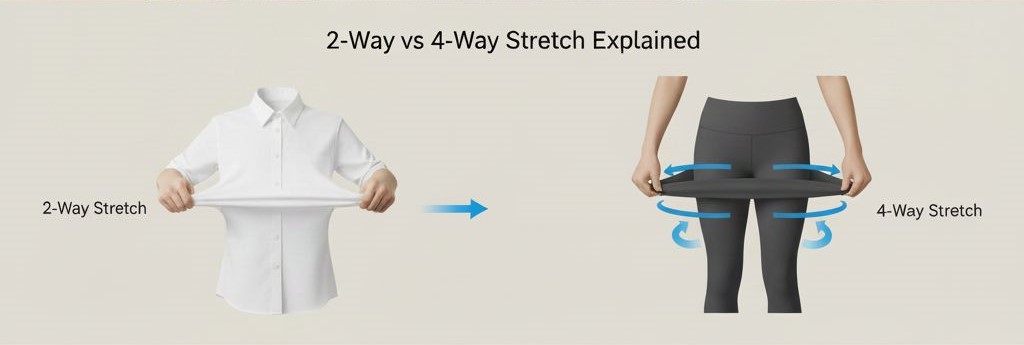
Ever seen “2-way stretch” or “4-way stretch” on tags?
Here’s what it actually means:
| Stretch Type | Direction of Stretch | Common Use | Feel |
| 2-Way Stretch | Side-to-side or top-to-bottom | Shirts, skirts | Moves with one axis |
| 4-Way Stretch | Both lengthwise and widthwise | Sportswear, leggings | Moves freely in all directions |
Quick Fact: A 4-way stretch polyester-spandex fabric offers double the flexibility of a 2-way stretch weave, making it ideal for sports or all day comfort.
Best Use Cases
Each type of polyester performs differently depending on how you plan to use it.
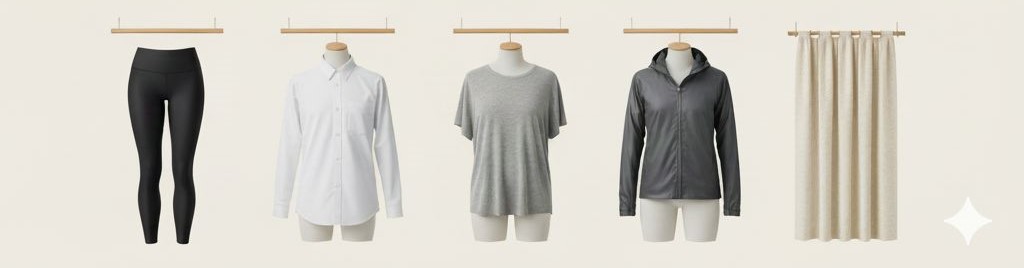
| Garment Type | Best Polyester Blend | Why It Works |
| Active wear & Leggings | Polyester + Spandex (90/10) | Maximum flexibility and shape retention |
| Office Wear | Woven Polyester or Poly Cotton | Crisp, structured, minimal stretch |
| Outerwear & Jackets | 100% Polyester | Weather resistant and durable |
| Casual T Shirts | Poly Cotton or Poly Rayon | Breathable, soft, light stretch |
| Upholstery / Curtains | Heavy Woven Polyester | Tough, holds form under tension |
Fit & Comfort Tips for Shoppers
- Test with your hands: Stretch the fabric gently if it snaps back fast, it’ll keep its shape.
- Avoid rigid weaves: They resist stretch and feel tighter over time.
- Choose “mechanical stretch” fabrics for flexibility without spandex (achieved by special weaving).
- Mind the lining: Stretch lining ensures your garment moves with your body.
Bonus: Polyester’s low moisture absorption means it won’t bag out after washing, ideal for long lasting fits.
Now that you can identify the perfect polyester blend for your wardrobe, let’s move on to how to care for polyester properly so it keeps its shape, stretch, and quality wash after wash.
Care Tips to Maintain Polyester’s Stretch & Shape
Once you’ve found the perfect polyester piece, caring for it correctly is what keeps it looking new and fitting like the day you bought it. Polyester is durable, but improper washing or drying can weaken its structure and reduce its recovery.
Care Summary Table
| Care Step | Best Practice | Effect on Stretch |
| Washing | Cold or warm (30–40°C) | Maintains fiber tension |
| Drying | Air-dry or low heat | Prevents fiber melting |
| Fabric Softener | Avoid | Keeps elasticity intact |
| Ironing | Low heat / use press cloth | Prevents shine or damage |
| Storage | Cool, dry, folded | Keeps shape and structure |
Takeaway: Polyester doesn’t just last, it performs. Treat it gently, and it will maintain its stretch and recovery for years.
Polyester Stretch Myths Debunked!
| Myth | Reality Check | Quick Fact / Tip |
| All polyester stretches the same way | Stretch depends on fabric construction and blend ratio. Woven polyester is firm; knitted or spandex blends can stretch up to 60%. | Woven: 5–10% stretch, Knitted: 15–20%, Poly-Spandex Blend: 40–60% |
| Polyester loses its shape easily | Polyester fibers have excellent shape recovery they bounce back even after multiple washes. | Avoid hot drying or ironing; heat weakens recovery. |
| Polyester always feels stiff and uncomfortable | Modern polyester uses soft-touch finishes, brushed textures, and knit construction for comfort. | Feels like cotton or silk in high-quality weaves. |
| You can’t stretch polyester without damaging it | You can stretch polyester slightly using warm water + gentle tension just avoid high heat or rough pulling. | Gentle stretch = safe, Overstretch = permanent damage |
| Polyester isn’t eco-friendly | Recycled polyester (rPET) reuses bottles and textile waste, cutting energy use by up to 45%. | Eco-friendly & performance-ready; supports circular fashion. |
FAQ
Does 100 % polyester stretch by itself
Pure 100 % woven polyester offers very limited stretch (typically around 5-10 %) because its polymer chains are tightly aligned and the weave is rigid.
Is polyester stretcher than cotton or nylon?
Generally not, while cotton may offer slightly more initial give, it lacks recovery. Nylon can stretch more than polyester but may lose shape faster. Polyester’s strength lies in its low stretch but excellent shape recovery.
How much spandex /elastane is needed in a polyester blend for noticeable stretch?
Even a small amount of spandex (5-10 %) blended with polyester significantly boosts stretch (often in the 20-60 % range) and greatly improves recovery.
Can polyester garments stretch out or become loose over time?
Yes while polyester recovers well, repeated tension, improper care (especially high heat) or excessive wear may reduce recovery and cause garments to feel looser over time.
Does polyester shrink or stretch after washing and drying?
Polyester is more resistant to shrinkage than many natural fabrics, but improper washing or high heat drying can degrade fibers or finishes, causing permanent shape changes either shrinkage or loss of structure.
Can I stretch a polyester garment myself to improve fit?
Yes but only modestly. Blended or knit polyesters can be gently stretched (when wet or warm) by hand or with mild tension. Pure woven polyester has very limited capacity for safe stretching.
When shopping, how do I know if a polyester garment will stretch well?
Check the label for fiber percentages (look for spandex/elastane), examine the fabric construction (knit vs woven), and test movement by gently stretching the fabric when possible.
Are all polyester fabrics the same in terms of stretch and recovery?
No the stretch potential depends on fiber blend, fabric construction (woven vs knitted), finishing treatments and how tension is set in manufacturing. Two garments labeled “polyester” can behave quite differently.
Key Takeaways — The Real Truth About Polyester Stretch
After exploring every angle from fiber science to blends, care, and myths here’s the bottom line: Polyester may not be the stretchiest fabric, but it’s one of the smartest when it comes to shape retention, versatility, and modern innovation.
| Aspect | Key Insight | What It Means for You |
| Stretch Range | 5–10 % (woven) → up to 60 % (blends) | Know your blend ratio before buying. |
| Recovery | Excellent snaps back after movement | Ideal for long lasting fits. |
| Comfort | High in knit or blended forms | Feels flexible, breathable, and soft. |
| Care | Low heat + gentle washing | Protects shape and stretch. |
Final Thoughts
- 100 % polyester offers strength and durability but minimal give.
- Knitted or spandex blended polyester provides the flexibility needed for movement and comfort.
- Proper care and washing protect elasticity for years.
The real secret: Polyester isn’t about raw stretch it’s about controlled flexibility. That’s why it’s everywhere: from your workout gear to your curtains.