
Is Bamboo Viscose Toxic? A Clear, Science-Backed Guide
Quick Answer — Is Bamboo Viscose Toxic or Safe?
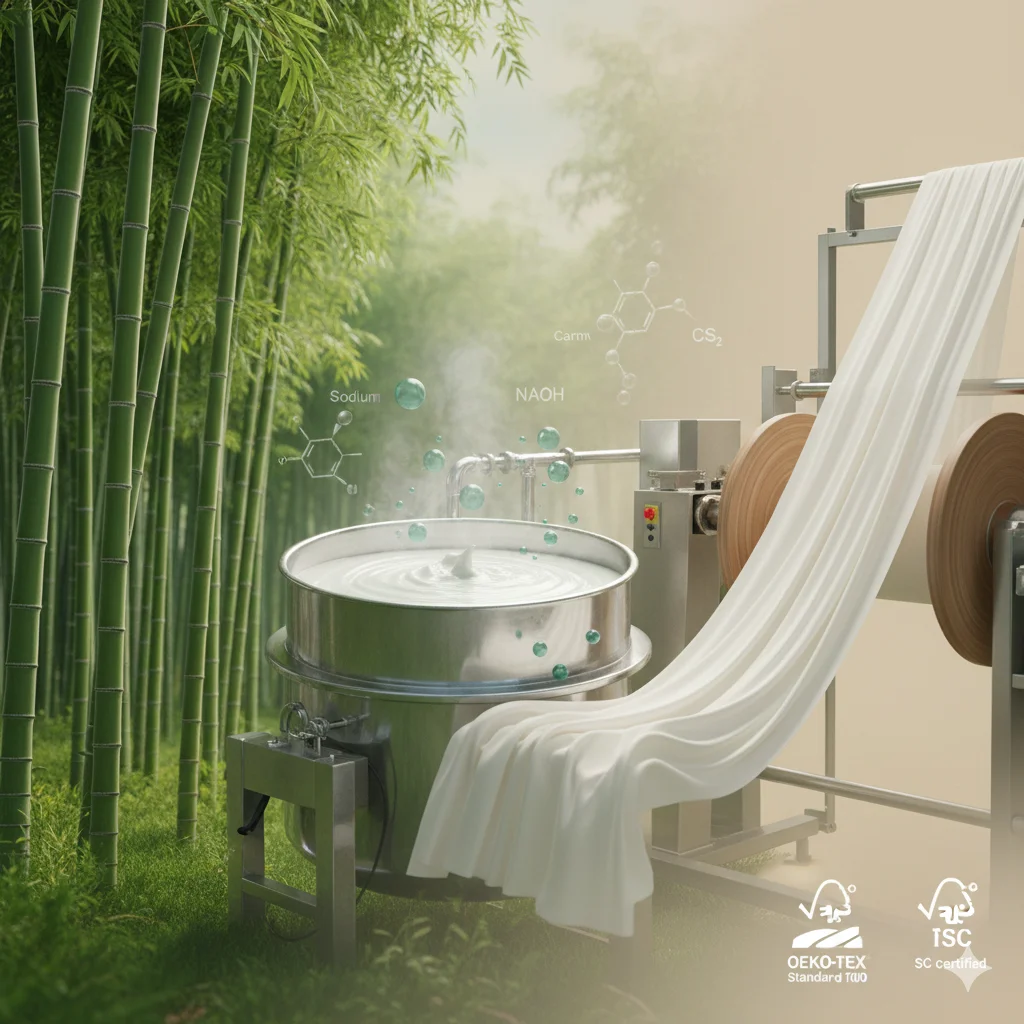
No, bamboo viscose is not toxic to wear for most people, but its production can involve harmful chemicals that affect workers and the environment.
What Is Bamboo Viscose?
How Bamboo Is Turned Into Viscose (Simple Explanation)
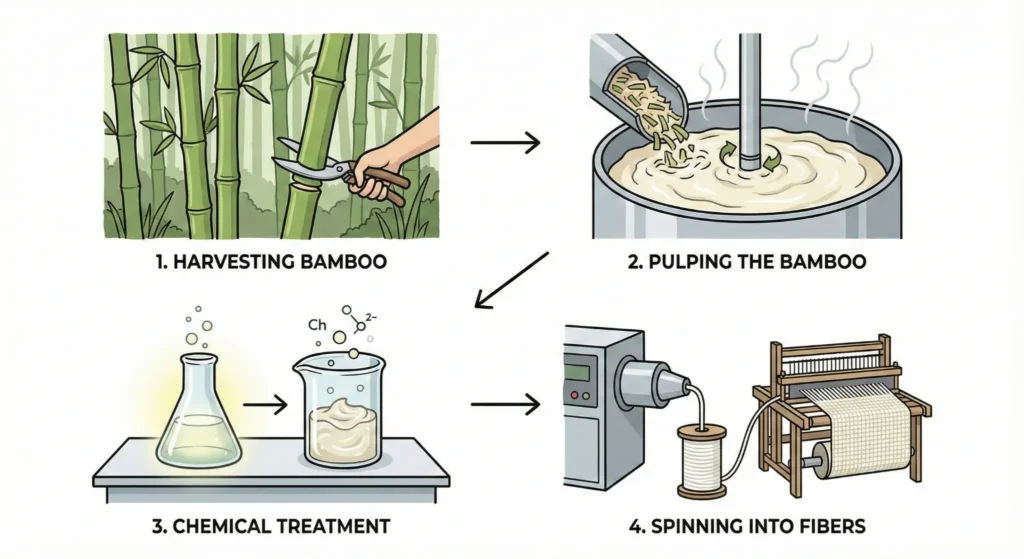
Bamboo is first harvested and then pulped to create a slurry. The pulp undergoes a chemical treatment, which breaks down the bamboo into a viscous solution. Finally, the solution is spun into fibers to create fabric.
Bamboo Viscose vs Bamboo Rayon — Are They the Same?
Bamboo viscose (a type of rayon) is made from bamboo cellulose, while bamboo rayon is a broader term for fabrics made from bamboo pulp, including viscose, modal, and lyocell.
The Chemicals Used During Production (Explained Simply)
Sodium Hydroxide (Caustic Soda)
What it does: Sodium hydroxide is used to dissolve the bamboo fibers into a pulp.
Risk: It can cause harm to workers if not handled correctly.
Residue: Scientific tests show residues are typically negligible or below detection limits.
Carbon Disulfide
What it does: Carbon disulfide is used to dissolve cellulose in the production of bamboo viscose.
Risk: Exposure can be harmful to workers and the environment.
Residue: Residues are usually minimal after processing, but proper handling is critical.
Do These Chemicals Remain in the Final Fabric?
No, these chemicals are typically removed during the finishing process, ensuring minimal residue remains in the fabric.
| Chemical | Why Used | Risk Level |
| Sodium Hydroxide | Dissolves bamboo into pulp | Moderate |
| Carbon Disulfide | Breaks down cellulose | High |
Is Bamboo Viscose Safe to Wear?
Safety for Adults
- Allergic reactions to bamboo viscose are rare.
- It’s recommended to wash new garments once before wearing.
Safety for Babies & Sensitive Skin
For babies, choose fabrics certified with OEKO-TEX or lyocell.
Sensitive skin may react to chemicals in unprocessed bamboo viscose.
Always check product labels for certification.
OEKO-TEX and Certified Bamboo Fabrics
OEKO-TEX Standard 100 certification ensures that bamboo fabrics are free from harmful substances. Look for products labeled “OEKO-TEX Standard 100, Class I.”
How to test garment at home: Wash the garment and check for any unusual smell or irritation. Perform a patch test if concerned.
Environmental Impact: The Real Concern
Pollution From Standard Viscose Factories
Standard viscose production releases effluents that can pollute water and harm factory workers. The chemical process can leave behind traces of harmful substances.
Why “Eco-Friendly Bamboo” Can Be Misleading
While bamboo itself is sustainable, the process used to turn it into viscose involves harmful chemicals and energy intensive procedures. Be cautious of “eco-friendly bamboo” claims, as many are based on misleading marketing.
Callout box: If factory uses a closed-loop or lyocell process → impact is much lower.
Bamboo Viscose vs Bamboo Lyocell
Key Differences in Chemical Processing
Bamboo viscose involves hazardous chemicals like sodium hydroxide and carbon disulfide, whereas bamboo lyocell uses a more eco-friendly closed-loop process, reducing chemical waste.
Which Is Safer and More Eco-Friendly?
Lyocell is considered safer and more eco-friendly due to its closed-loop process, which recycles water and chemicals.
| Aspect | Lyocell | Viscose |
| Process | Closed-loop (eco-friendly) | Open-loop (higher pollution) |
| Chemicals | Non-toxic, recycled in process | High-risk chemicals used |
| Environmental Impact | Low impact | High impact |
| Wearer Safety | Safer, fewer chemicals left | May contain harmful residues |
Certifications That Guarantee Safe Bamboo Fabric
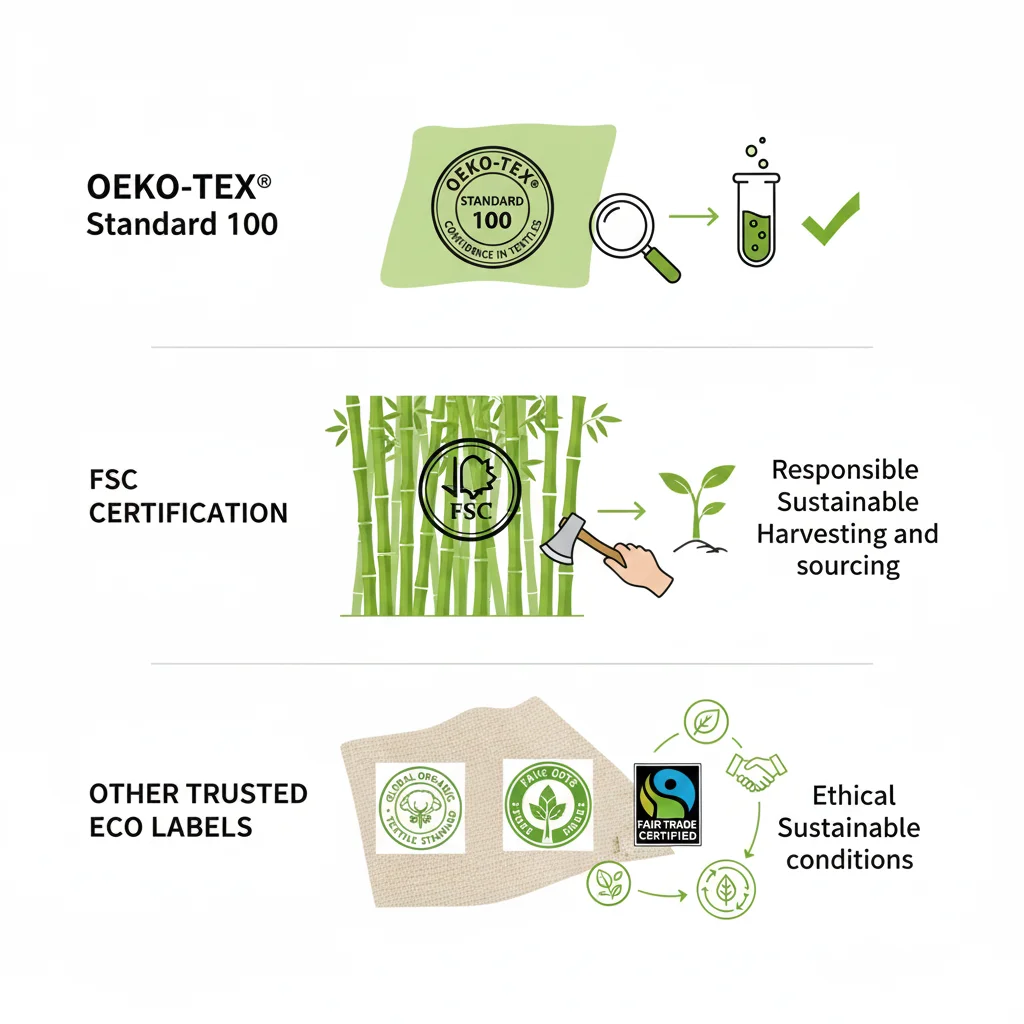
OEKO-TEX Standard 100
OEKO-TEX Standard 100 ensures that the fabric has been tested for harmful chemicals. It is a vital certification for consumer safety.
FSC Certification
FSC certification ensures that bamboo is harvested sustainably and responsibly, preserving forests and biodiversity.
Other Trusted Eco Labels
Look for certifications like Global Organic Textile Standard (GOTS) or Fair Trade to ensure the bamboo fabric is produced under ethical and sustainable conditions.
Common Myths About Bamboo Viscose — Debunked
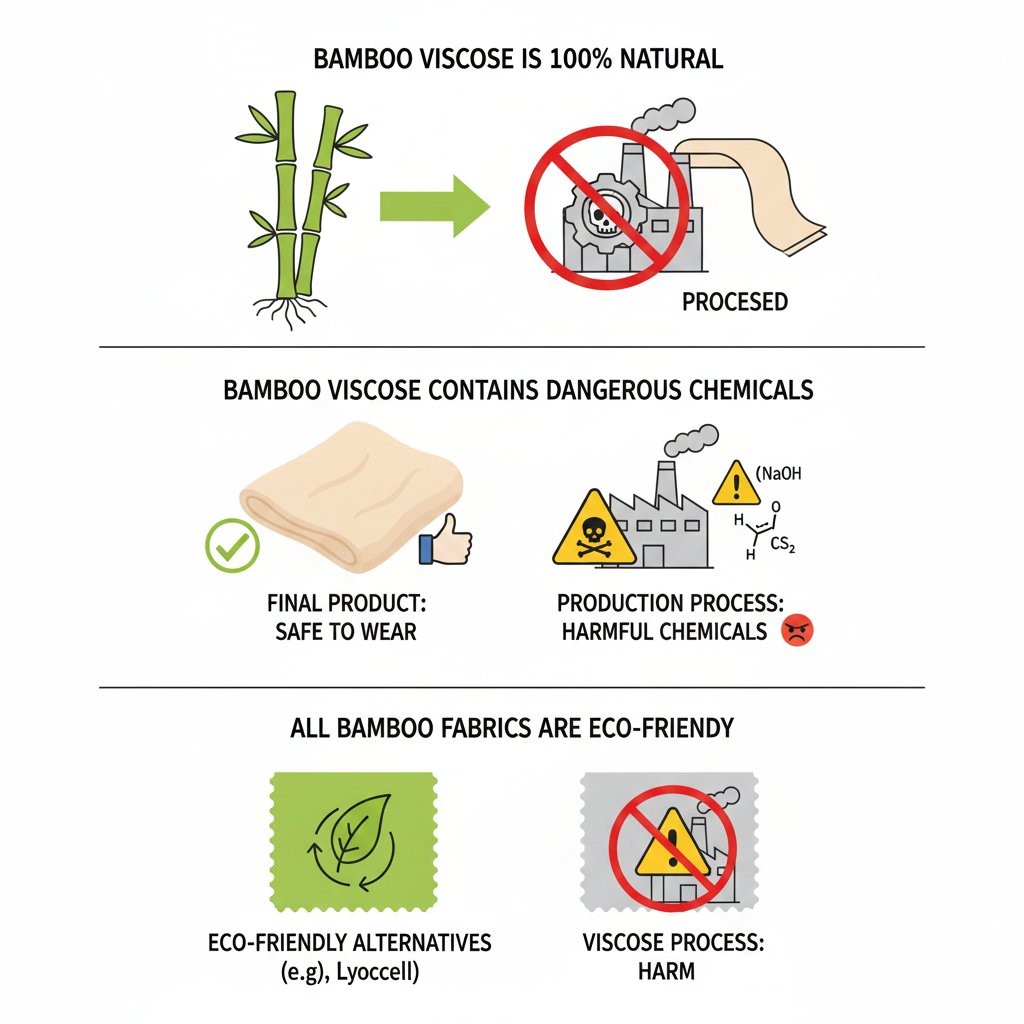
“Bamboo Viscose Is 100% Natural”
It is not 100% natural; it undergoes a chemical transformation during production, making it more processed than bamboo fabric.
“Bamboo Viscose Contains Dangerous Chemicals”
It does not contain dangerous chemicals in its final form, but the production process uses harmful chemicals like sodium hydroxide and carbon disulfide.
“All Bamboo Fabrics Are Eco-Friendly”
Not all bamboo fabrics are eco-friendly. The production process varies, and many forms of bamboo fabric, like viscose, have a significant environmental impact.
Should You Buy Bamboo Viscose? (Simple Recommendation)
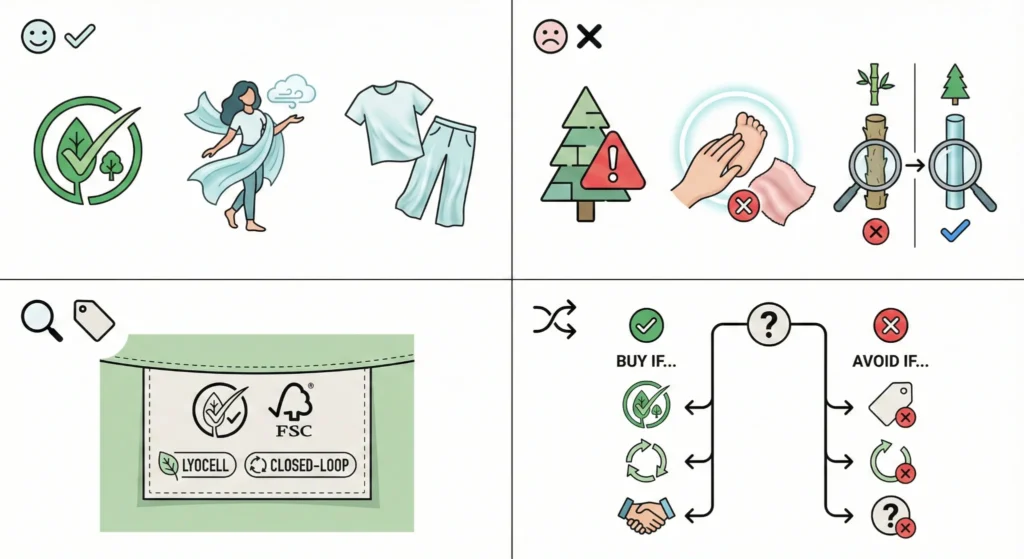
When It’s a Good Choice
When certified with OEKO-TEX or FSC.
If you prefer a soft, breathable fabric.
For use in everyday clothing.
When to Avoid It
If you’re concerned about environmental impact.
When you’re buying for babies or those with sensitive skin.
If lyocell is available as a better alternative.
What to Look for on Clothing Labels
Look for certifications like OEKO-TEX Standard 100 or FSC, and always check for lyocell or closed-loop processes where possible.
Buy if
- The fabric is certified.
- It’s made with lyocell or eco-friendly processes.
- It’s a trusted brand.
Avoid if
- No certifications are listed.
- It’s made from non-closed-loop processes.
- The brand is unverified.
FAQs
Is Bamboo Viscose Toxic for Babies?
No, bamboo viscose is generally safe for babies if certified OEKO-TEX or lyocell is used.
is bamboo a natural fiber
Yes, bamboo is a natural fiber, derived from the bamboo plant. However, the process used to turn it into fabric or other products can involve chemical treatments.
is bamboo toxic?
Bamboo itself is not toxic. However, some products made from bamboo, like bamboo fabric, may contain chemicals used in the manufacturing process that could be harmful if not properly treated.
does bamboo shrink
Yes, bamboo fabric can shrink, especially if it’s not washed properly. It’s recommended to wash it in cold water and air dry to prevent excessive shrinkage.
Does Bamboo Viscose Cause Allergies?
Allergic reactions are rare, but sensitive individuals may experience irritation.
Is Bamboo Viscose Breathable?
Yes, bamboo viscose is breathable and helps regulate temperature.
Is Bamboo Viscose Eco-Friendly?
Bamboo viscose has a higher environmental impact compared to other bamboo fabrics like lyocell.
Key Takeaways
Bamboo viscose is safe to wear for most adults.
Its production involves chemicals, which can harm workers and the environment.
Lyocell is a safer, more eco-friendly alternative.
Look for certifications like OEKO-TEX for peace of mind.