
Is Polyester Plastic? (Here’s the Real Answer)
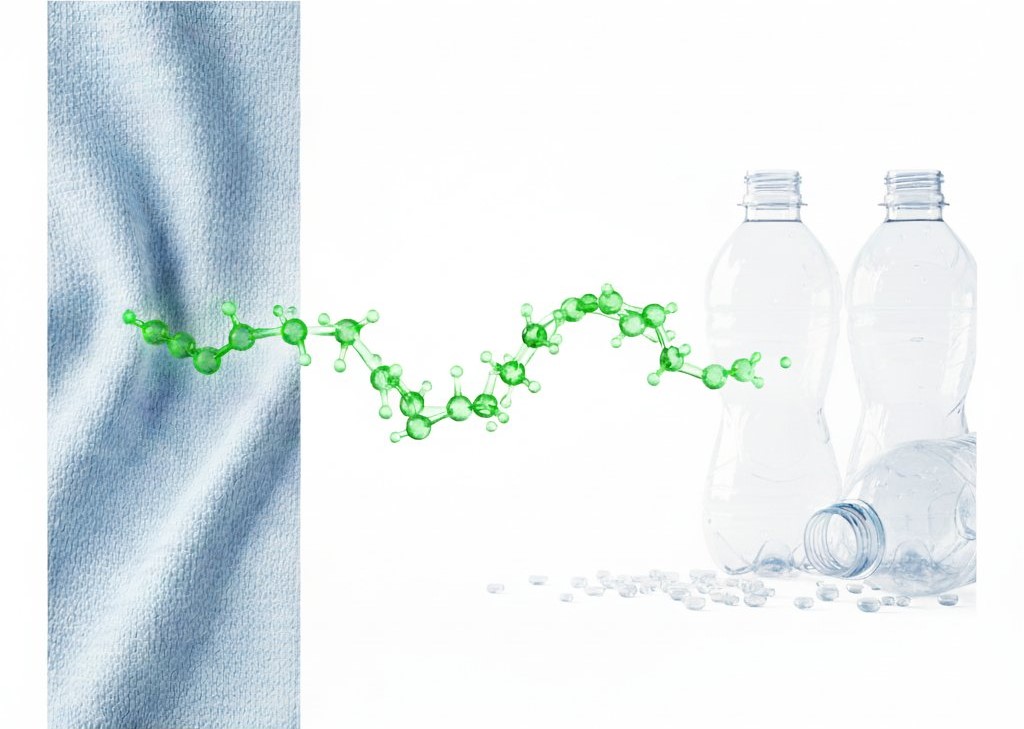
“Have you ever wondered if polyester is really plastic? You’re not alone! While it might feel different from the plastic bottle you recycled last week, polyester is, in fact, a type of plastic more specifically, polyethylene terephthalate (PET), made from petroleum. However, it’s processed into fibers, which means it doesn’t have the same rigid, bottle like form we often associate with plastic.”
Even though polyester fibers feel soft and flexible, making them suitable for fabrics, they still share the same core properties as plastic because they’re made from the same base material, PET.
How Polyester Fits Inside the ‘Plastic’ Family
In this section, we’ll dive into how polyester fits into the broader world of plastics. You may be surprised to learn that polyester is actually a type of plastic polymer, and understanding its structure can help clear up any confusion about why it’s considered a plastic, even though it’s used in fabrics.
Polymer → plastic → polyester (the hierarchy)

To understand polyester, it’s helpful to start with the basic building blocks of plastics. Plastics are made from long, repeating chains of molecules called polymers. These polymers are created by joining together smaller molecules called monomers.
- Polymer: A large molecule made up of repeating subunits (monomers).
- Plastic: A type of polymer that can be molded into various shapes when heated.
- Polyester: A specific type of plastic polymer made from chemicals derived from petroleum, typically used in textiles.
So, in simple terms: polyester is a type of plastic because it is made from a polymer, but it’s transformed into a fabric that doesn’t resemble traditional plastic like bottles or packaging.
What is PET (polyethylene terephthalate)?
Polyester is made from a plastic polymer called polyethylene terephthalate (PET), which is one of the most common types of plastic. PET is known for its strength, durability, and ability to withstand heat, which makes it ideal for use in both bottles and fabrics. Here’s how it works:
- PET in Bottles: When PET is used in bottles, it’s usually in its hard, rigid form.
- PET in Polyester: When PET is used to make polyester fabric, it’s heated and processed into fibers that are woven into soft, flexible textiles.
So, even though you wear polyester fabric and drink from a PET bottle, they’re made from the same plastic polymer!
Thermoplastic polyesters vs textile polyester (in plain English)
There’s a slight difference between thermoplastic polyesters (like those used for packaging) and textile polyester (used in fabrics). Let’s break it down:
- Thermoplastic Polyester: This type of polyester becomes soft and moldable when heated. It’s typically used in products like plastic bottles, films, or packaging. The key here is that it can be reshaped when heated.
- Textile Polyester: This is the version of polyester that’s used in clothing and fabrics. It’s still made from the same basic PET polymer but is processed into fibers that are woven or knitted into fabric. Unlike packaging polyester, textile polyester is designed to be soft and flexible, making it suitable for wearables like shirts, pants, and jackets.
In short, textile polyester is a special form of plastic that’s made into something more comfortable for wearing!
Polyester Fabric vs PET Bottles Same Material, Different Form
At first glance, it might seem hard to believe that the soft fabric of your favorite polyester shirt and the hard plastic bottle you recycle are made from the same material. But they are! Both are made from polyethylene terephthalate (PET) a plastic polymer. So, why do they look and feel so different?
Let’s take a closer look at how PET is transformed into two very different products: fabric and bottles.
How PET is turned into yarn/fiber
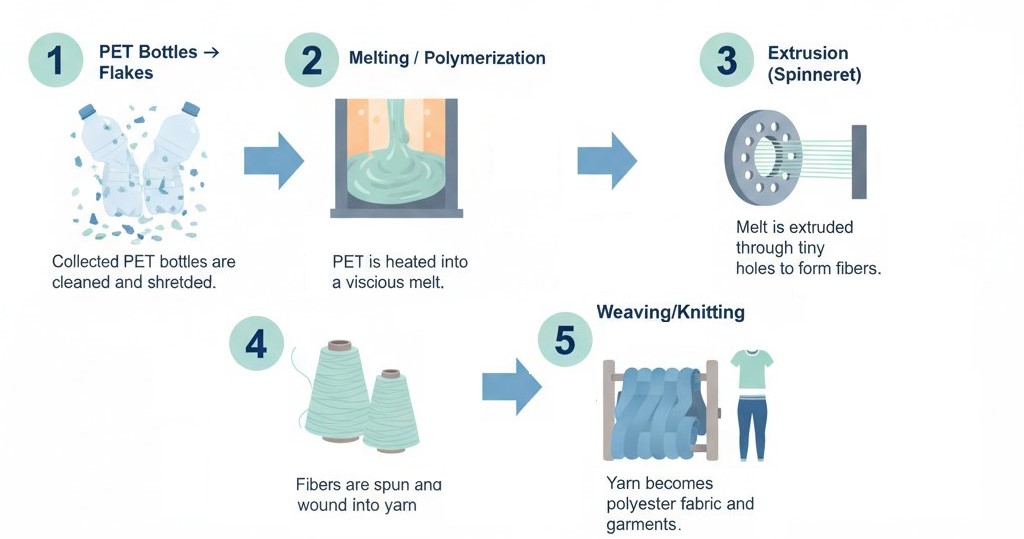
The journey from PET plastic to polyester fabric starts with a process called polymerization, where PET is heated and turned into a thick, viscous liquid. This liquid is then extruded through tiny holes to form long, thin strands these are called fibers. These fibers are then spun into yarn, which can be woven or knitted into fabric.
- What makes polyester fabric so versatile: The key difference is that polyester fibers are designed to be soft, flexible, and breathable when woven into textiles. These fibers can be made into lightweight clothing, active wear, and even home textiles like curtains and upholstery. You can also read about how polyester performs against water in our detailed waterproofing guide.
- The transformation: Even though the raw material is PET (the same plastic used for bottles), it’s been reformed into something entirely different: a wearable, flexible material.
How PET is turned into bottles/packaging
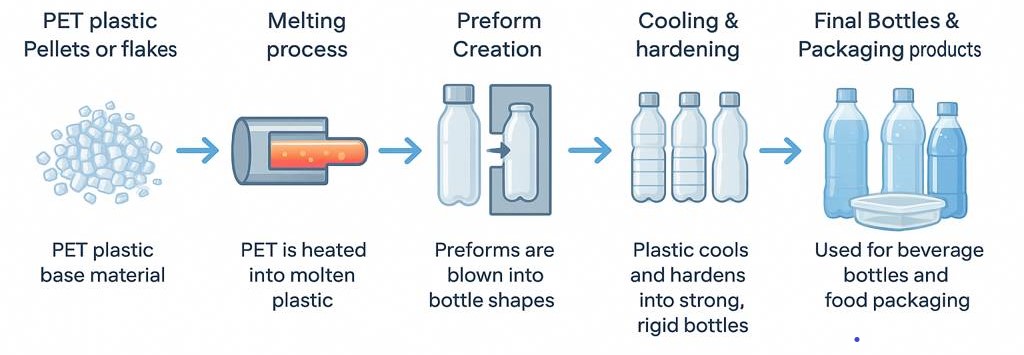
On the other side, PET is also widely used for making plastic bottles and packaging. To make a PET bottle, the polymer is melted down, then blown into molds to form the familiar hard, rigid plastic structure.
- The process of creating plastic bottles: PET is heated and formed into sheets or preforms, then shaped into bottles through a blow molding process. This process is ideal for creating bottles that can hold liquids and withstand high pressure. The result is a stiff, non flexible plastic that is perfect for holding water, soda, or other beverages.
- Why bottles and fabric are different: While the PET polymer is the same, the processing method is what gives us two very different products. In bottles, the focus is on strength and durability, while in fabric, the focus is on flexibility and softness.
Why your T-shirt doesn’t “feel” like plastic
Now, you might be wondering: Why doesn’t polyester fabric feel like the plastic bottle it comes from? The difference lies in the way the material is processed and how it interacts with our skin.
- Soft, flexible fibers: When PET is turned into polyester fibers, they are woven or knitted into fabric that is designed to be comfortable, breathable, and wearable. Polyester fabric is meant to move with your body, which is why it doesn’t feel hard or rigid like a plastic bottle.
- The feel of polyester: Unlike plastic bottles, polyester fabric is often blended with other fibers (like cotton and spandex) to enhance its comfort. It also undergoes treatments that make it more soft and smooth, further removing any resemblance to the stiff plastic used in bottles.
- Common uses: Because of its softness, polyester is ideal for use in clothing, activewear, and bedding, where comfort is key.
Why People Keep Asking “Is Polyester Plastic?”
While polyester is made from plastic (specifically PET), many people still wonder if it’s really plastic due to the different form it takes as a fabric. Let’s explore some of the most common concerns that drive this question and why people are more cautious about polyester than other fabrics.
Concerns about comfort and breathability
One of the biggest reasons people question whether polyester is truly plastic is because it doesn’t feel like traditional plastic. However, it’s still designed to mimic the feel of natural fabrics like cotton or wool. This leads to a common misconception that polyester is more natural than it really is.
- Polyester fabric can often feel stiff or uncomfortable compared to cotton, which is more breathable and absorbs moisture. Polyester, on the other hand, can trap heat and moisture, leading to discomfort in hot weather.
- The breathability issue: Unlike natural fibers, which allow air to pass through easily, polyester can sometimes feel sticky or too warm, especially when worn in humid conditions. This can make people hesitate to call it “plastic,” as it doesn’t have the same “hard” characteristics as other plastics.
This concern is part of why people are hesitant to label it as plastic they expect something uncomfortable and rigid, but polyester fabric is much more wearable and comfortable than a plastic bottle.
Concerns about synthetic vs natural
Many consumers are now more aware of the difference between synthetic fabrics and natural fibers. While polyester is synthetic (made from chemicals), fabrics like cotton, wool, and linen are derived from plants or animals.
- The synthetic dilemma: Some people may avoid synthetic fabrics because they associate them with being unnatural or harmful. Polyester is made from petroleum-based plastic, and even though it’s durable and affordable, it’s still chemically processed and far removed from natural materials.
- Natural vs. synthetic: Polyester feels like fabric, but people question whether it’s as safe or eco-friendly as natural fabrics. Since synthetic fabrics don’t break down like natural fibers, they raise concerns about longevity and sustainability. So, when polyester is labeled as plastic, it brings up concerns about the long-term impact on the environment.
This often leads to confusion is polyester more natural than it seems, or is it truly plastic in its core?
Concerns about plastic waste and oceans
Another key reason people question if polyester is plastic is because of its environmental impact. As awareness grows about plastic pollution in our oceans and landfills, many people worry about the long-term effects of using polyester.
- Micro plastics: When washed, polyester releases tiny plastic fibers (micro plastics) into the water system. These fibers can end up in the ocean, harming marine life. This creates an ethical dilemma for people who care about the environment. Polyester is plastic, but because it’s used in clothing, it doesn’t seem like it should contribute to plastic waste.
- Non-biodegradability: Unlike natural fibers, polyester does not biodegrade. This means that polyester clothing can remain in landfills for centuries. People wonder if wearing polyester contributes to the growing plastic pollution problem.
This environmental concern is often the key factor that makes people wonder if polyester truly belongs in the “plastic” category, even though it is chemically plastic-based.
Is Recycled Polyester (rPET) Still Plastic?
Recycled polyester is made from the same plastic (PET) as regular polyester; the difference is the source. Instead of using new, petroleum-based material, rPET uses existing plastic like bottles. That makes it a better choice than virgin polyester, but it doesn’t turn it into a natural or biodegradable fabric. It can still shed microplastics when washed.
For a detailed breakdown of how rPET is made, its pros/cons, and certifications, see my full post on Recycled Polyester
Environmental Impact of Polyester as a Plastic Textile
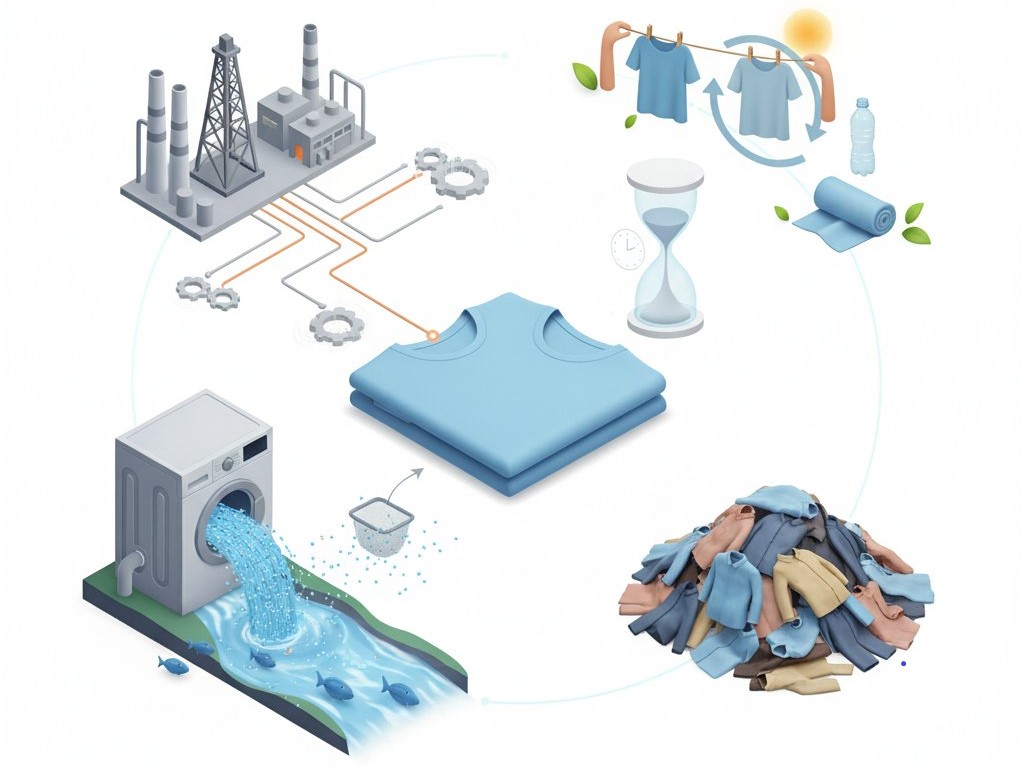
Now that we know polyester is plastic, the next logical question is: what does that mean for the planet? Polyester is popular because it’s durable, affordable, and easy to care for but, like most plastic-based materials, it comes with some environmental downsides. This section walks through the main ones in simple language and then gives you practical ways to make better choices.
Non-biodegradability and landfill issues
Polyester doesn’t break down like cotton, linen, or wool. Because it’s made from plastic (PET), it can stay in landfills for decades to centuries.
- Every polyester T-shirt, lining, or blanket that isn’t reused or recycled can end up sitting in a landfill.
- Fast fashion makes this worse we buy more, wear less, and throw away faster.
- So the problem isn’t just “polyester = plastic,” but “plastic + high volume + slow breakdown.”
Microfiber/microplastic shedding when washing
- When you wash polyester clothes, tiny fibers (microfibers) break off and flow out with the wash water.
- These fibers are microplastics because polyester is plastic.
- Wastewater plants can’t always filter them all out, so some end up in rivers and oceans, where fish and marine life can ingest them.
- This is one of the main reasons people are now questioning synthetic fabrics.
Energy and fossil fuels in production
Another impact: polyester starts with petroleum.
- Making virgin polyester uses fossil fuels, which contributes to carbon emissions.
- It’s generally more energy intensive than growing a natural fiber.
- Recycled polyester (rPET) can lower this a bit but it still doesn’t make polyester a “zero impact” fiber.
So yes, polyester is plastic and like most plastics, it’s tied to fossil fuels.
What you can do to reduce impact (wash bags, cold wash, fewer items)
- Wash less often: most clothes don’t need to be washed after every wear.
- Use a washing bag or filter: helps catch microfibers.
- Wash on cold + gentle: less friction = fewer fibers shed.
- Buy better, not more: choosing higher-quality polyester that lasts longer is better than cheap items that get binned fast.
- Prefer recycled polyester when polyester is necessary: sportswear, uniforms, outdoor gear.
Health & Skin Considerations

Because polyester is made from plastic (PET), a lot of people wonder if it’s actually safe to wear on the skin every day. The short answer: for most people, polyester is safe to wear, but there are a few situations where choosing natural fibers is the better option. Let’s break it down.
Is wearing polyester harmful?
For the average, healthy person: no, wearing polyester isn’t considered harmful.
- Polyester doesn’t “leak plastic” onto your skin like a chemical spill.
- It’s used widely in sportswear, school uniforms, bedsheets, and jackets because it’s durable and easy to wash.
- Issues usually come from heat + sweat + low-breathability, not from the plastic itself.
However, some people may experience:
- Skin irritation if the fabric traps sweat and doesn’t let the skin breathe.
- Reaction to dyes/finishes used on the fabric, not the polyester itself.
So it’s less “polyester is dangerous” and more “polyester can be uncomfortable in certain conditions.”
When to choose natural fibers (babies, sensitive skin)
Choose cotton, bamboo, viscose, linen, or TENCEL/lyocell instead of polyester when:
- Dressing babies or toddlers (their skin is more sensitive, cotton is safer and more breathable)
- You have eczema, dermatitis, or very reactive skin
- You live in very hot, humid climates and polyester keeps making you sweaty
- You want a fully plastic free wardrobe for environmental or lifestyle reasons
Polyester vs Other Fabric Types (Comparison Table)
Not every fabric is right for every situation. Polyester is plastic based, but it’s strong, affordable, and easy to care for. Below is a simple comparison with other popular fabrics so you can pick the one that fits your use case.
| Fabric | What it’s made from | Pros | Cons | Best for |
| Polyester | Plastic (PET) | Durable, cheap, wrinkle-resistant | Not breathable, sheds microfibers | Sportswear, uniforms, décor |
| Cotton | Plant (natural) | Breathable, skin-friendly | Wrinkles, can shrink, holds moisture | Everyday wear, babies |
| Nylon | Synthetic (petroleum) | Strong, smooth, quick-dry | Can feel hot, can pill | Active/outdoor gear |
| Acrylic | Synthetic (petroleum) | Warm, wool-like, cheap | Can feel scratchy, less breathable | Winterwear, budget knits |
Polyester vs Cotton (plastic vs plant)
- Polyester: plastic-based, very durable, dries fast, holds color, doesn’t wrinkle much.
- Cotton: plant-based, breathable, better for sensitive skin, biodegradable.
If you want comfort and breathability → choose cotton.
If you want low maintenance and durability → polyester wins.
Polyester vs Nylon (both synthetic, different properties)
- Both are synthetic and derived from petroleum.
- Nylon is usually a bit stronger and smoother; often used in outdoor/active gear.
- Polyester often holds color better and is cheaper.
When to pick which:
- Use nylon for performance/outdoor.
- Use polyester for everyday, decor, team uniforms.
Polyester vs Acrylic
- Acrylic: made to mimic wool, warm, good for sweaters but can feel scratchy and less breathable.
- Polyester: more versatile; can be soft or structured depending on how it’s woven.
If acrylic makes you itchy, polyester blends might actually feel better even though both are synthetic.
When polyester actually makes sense (sportswear, durability, price)
- Sportswear/activewear: holds shape, dries fast, doesn’t sag
- Workwear/school uniforms: durable, easy to wash, colorfast
- Home textiles: curtains, sofa covers long lasting, less fading
- Budget clothing: cheaper to produce than natural fibers
So the goal isn’t “never buy polyester,” it’s “know when polyester is the right tool and when a natural fabric is healthier or more sustainable.”
Where Else Polyester Is Used (Proof It’s a Plastic Material)
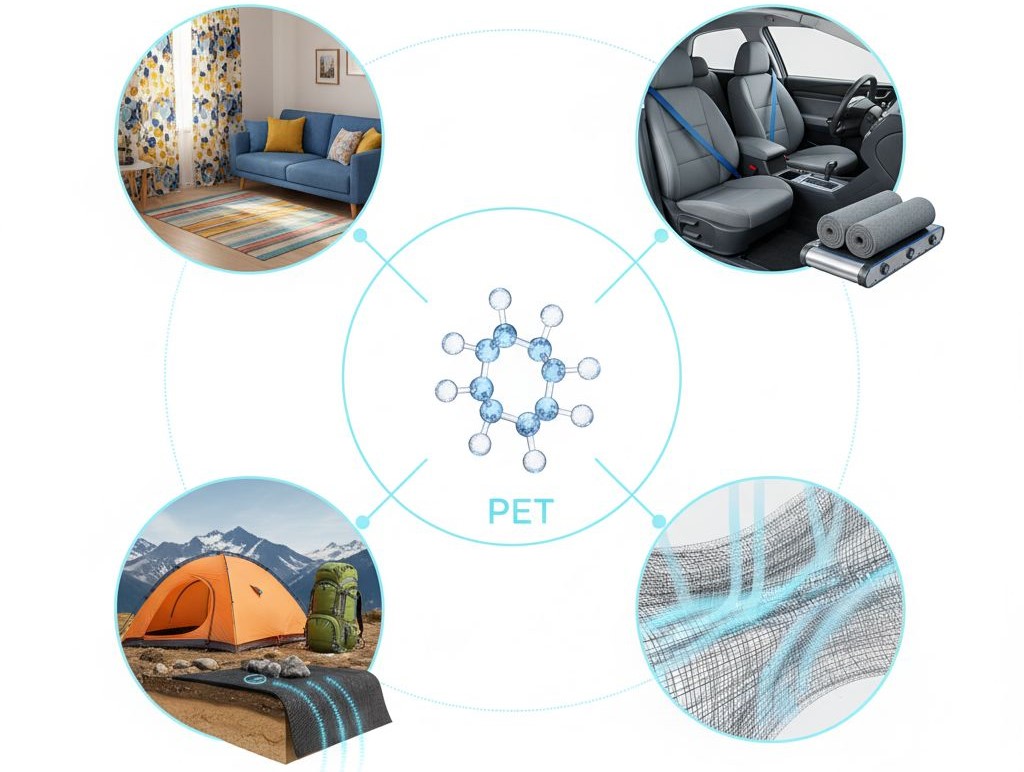
So far we’ve talked about polyester in clothing, but polyester shows up in lots of places where softness isn’t even the goal. That’s the clearest sign it’s a true plastic based material it’s used wherever manufacturers need something strong, durable, and affordable.
Home textiles (sofa, curtains, carpets)
Polyester is everywhere in the home because it:
- holds color well (curtains don’t fade quickly),
- resists wrinkles,
- and is more durable than many natural fibers.
You’ll find polyester or polyester blends in:
- upholstery fabric (sofas, chairs),
- blackout or decorative curtains,
- rugs and carpets,
- bed sheets and cushion covers.
“If it was truly a ‘fragile’ fabric, brands wouldn’t use it on furniture that gets sat on every day.”
Automotive and industrial use
This is where it really looks like plastic.
Polyester is used in:
- car seat covers and seat belts,
- interior linings,
- soundproofing layers,
- conveyor belts and industrial textiles.
Why? Because polyester is strong, flexible, and resists stretching all classic plastic traits.
Technical fabrics and filters
Polyester is also used where precision matters:
- air and water filters,
- geotextiles (construction, road building),
- medical or protective textiles,
- outdoor gear (tents, backpacks).
These uses don’t care about “fashion” they care about performance. And the fact that polyester can be engineered for these technical uses is more proof that it’s a plastic derived synthetic, not a natural fabric.
Are There Bio-Based or Lower-Impact Polyesters?
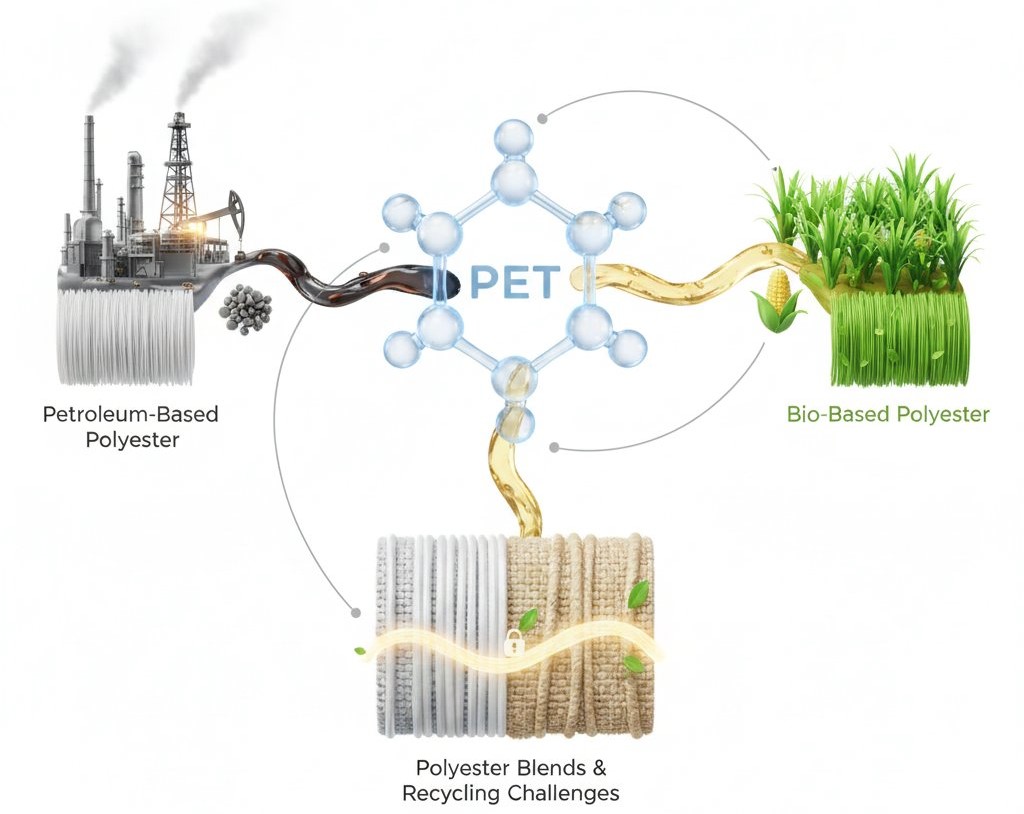
As awareness about plastic in clothing grows, brands have started talking about “bio-based,” “eco,” or “lower impact” polyester. That sounds cleaner but it doesn’t always mean it’s suddenly a natural, plant like fabric. This section explains what these newer versions are and what they can (and can’t) fix.
Bio PET (same polymer, different feedstock)
Bio-PET is basically polyester made from plant-based ingredients (like sugarcane) instead of crude oil. But here’s the key point:
- It’s the same polymer (PET).
- It behaves like the same plastic.
- It’s just made from a different starting source.
So bio-PET can reduce dependence on fossil fuels, which is good but the end material is still polyester, and still plastic.
Think of it like baking the same cake, just using a different kind of sugar.
Polyester blends with natural fibers
A lot of everyday clothes are blends e.g. 60% cotton, 40% polyester.
Why brands do this:
- Polyester adds strength, wrinkle resistance, and shape.
- Natural fibers (cotton, linen, viscose) add breathability and comfort.
- You get a fabric that wears nicer than 100% polyester, but lasts longer than 100% cotton.
Blends can feel better on the skin, but they’re actually harder to recycle because it’s tough to separate the natural and synthetic parts later.
So: better for comfort, not always better for end of life.
Why “bio-based” ≠ “natural fabric”
- “Bio-based” just means the raw material came from a biological source.
- It does not mean the fabric is biodegradable.
- It does not mean the fabric is the same as cotton, hemp, linen, or wool.
- It’s still a plastic polymer in the end.
So if a label says “bio-based polyester,” It’s a better sourced polyester, not a non-plastic fabric.
How to Choose Fabrics If You Want to Avoid Plastic
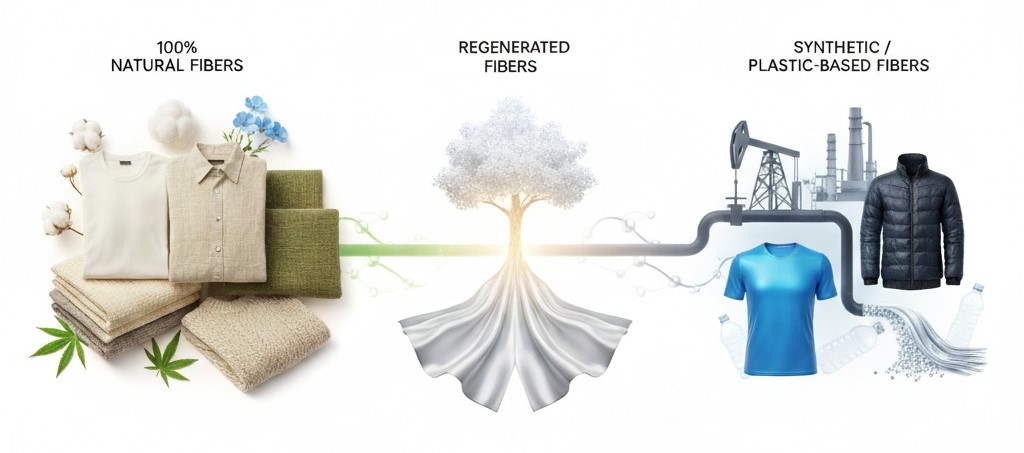
By now it’s clear: polyester is plastic even the recycled and bio-based versions. But that doesn’t mean you’re stuck with it. If you’re trying to build a more natural, breathable, or low plastic wardrobe/home, here’s what to choose instead and how to spot hidden synthetics on labels.
100% cotton, linen, hemp, wool
Start with the easy wins the truly natural fibers.
- Cotton: soft, breathable, good for everyday and kids.
- Linen: made from flax, very breathable, great for hot climates.
- Hemp: strong, eco-friendly crop, nice for casual wear.
- Wool: natural, warm, doesn’t need frequent washing.
Tip: look for “100% cotton/linen/wool/hemp” if it says “cotton blend” or “poly cotton,” there’s plastic in it
Regenerated cellulosics (TENCEL, modal, lyocell)
Some buyers don’t want plastic but also don’t want heavy cotton there is in-between option.
- These are made from wood pulp but processed into smooth, drapey fabrics.
- Branded versions like TENCEL™ Lyocell tend to have better sustainability controls.
- They’re breathable and comfy, usually nicer than polyester for sensitive skin.
Clarify: these aren’t plastic, but they are man-made just from plant sources, not oil.
Reading labels: what “polyester,” “poly,” “PET,” and “synthetic” look like on tags
- If the tag says polyester, poly, polyamide, acrylic, nylon, elastane, or spandex → that’s a synthetic/plastic component.
- If it says rPET or “recycled polyester” → better source, still plastic.
- If the % of polyester is small (e.g. 3–5%) it’s often there for shape/wrinkle resistance.
- For true plastic light shopping, aim for 100% of a natural fiber.
Good: “100% linen”
Okay: “60% cotton, 40% linen”
Plastic in it: “60% cotton, 40% polyester”
FAQs About Polyester and Plastic
Is polyester 100% plastic?
Yes. Polyester is 100% synthetic and made entirely from petroleum-based polymers, meaning it’s fully plastic. While it may feel like fabric, its chemical structure is the same as many common plastics such as PET (polyethylene terephthalate).
Is wearing 100% polyester bad?
Not necessarily. Polyester is durable, lightweight, and wrinkle-resistant, but it’s less breathable than natural fabrics. Some people may experience skin irritation or overheating. It’s best for short-term wear or activewear, but less ideal for hot climates or sensitive skin.
Is polyester a fake material?
Polyester is a real, genuine type of material (a plastic polymer), it is an artificial one that can be used to create imitations of natural materials.
Is polyester bad for the environment?
Yes. Polyester is harmful to the environment because it’s plastic-based, non-biodegradable, and sheds microplastics during washing. These microplastics pollute oceans and harm wildlife. Its production also relies on fossil fuels, increasing carbon emissions and environmental impact.
Is polyester biodegradable?
No. Polyester is not biodegradable because it’s made from synthetic plastic polymers that don’t break down naturally. It can remain in the environment for decades or even centuries, releasing microplastics and contributing to long-term pollution unless recycled properly.
Does polyester give off micro plastics?
Yes. Polyester releases microplastics tiny plastic fibers every time it’s washed. These microplastics flow into waterways, polluting oceans and harming marine life. Over time, they also enter the food chain, making polyester a major contributor to global plastic pollution.
Why is polyester used so much in clothing?
Polyester is widely used because it’s cheap, durable, wrinkle-resistant, and quick-drying. It holds color well, doesn’t shrink easily, and blends smoothly with natural fibers like cotton. These qualities make polyester ideal for everyday, athletic, and fast fashion clothing.
The Final Verdict
Polyester is plastic, durable, versatile, and convenient, but not without cost. Every polyester garment adds to the global plastic footprint. Choose natural or recycled fabrics, wash less, and buy better, not more. Small changes in how you shop and care for clothes can make a big difference for the planet.