
Is Viscose Stretchy? Everything You Need to Know
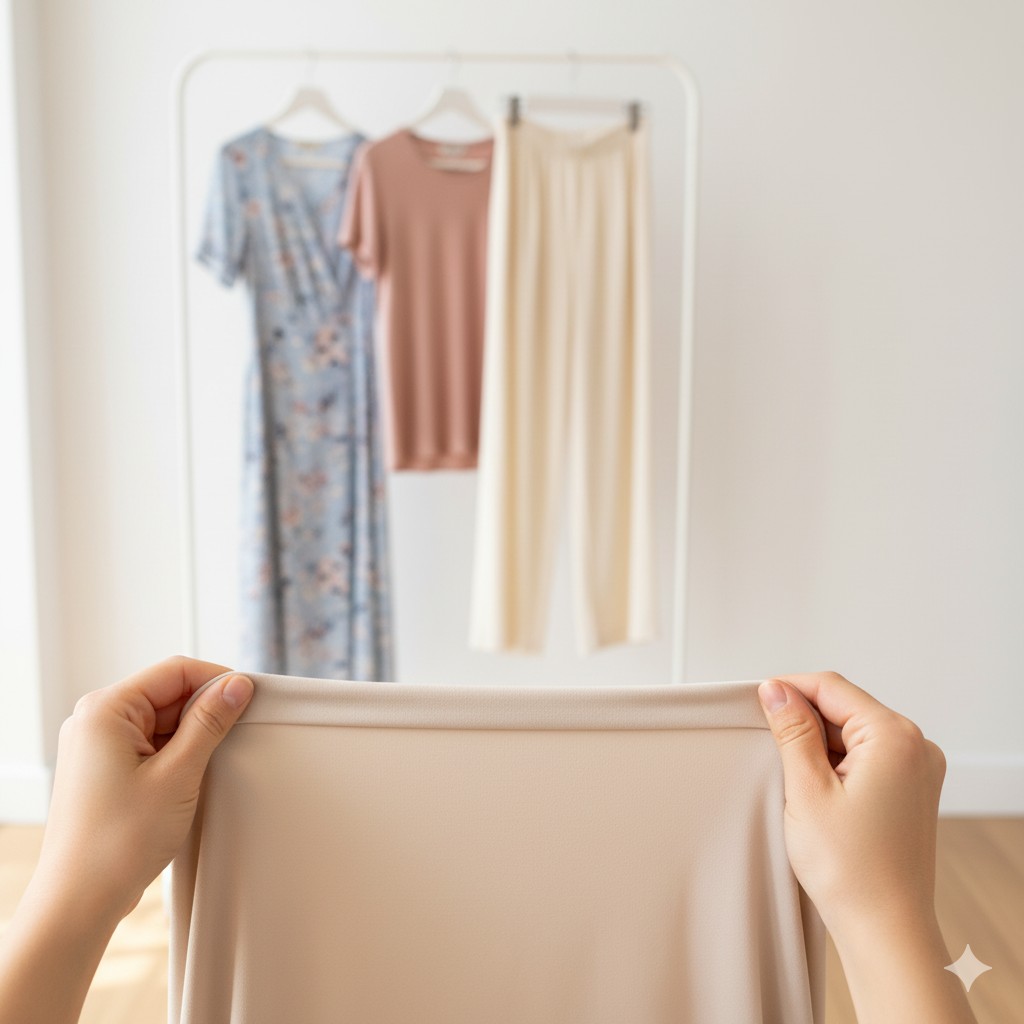
Viscose is known for being soft, breathable, and lightweight but its stretchiness is one of the most misunderstood parts of the fabric. If you’ve ever tried on two viscose garments and noticed that one feels flexible while the other feels stiff, you’re not imagining it. Viscose can be stretchy, non-stretchy, or somewhere in between depending on how it’s made and what it’s blended with.
This guide gives you a clear, real world explanation so you’ll know exactly what to expect before buying or wearing viscose clothes.
Quick Answer: Is Viscose Stretchy or Not?
Viscose by itself is only slightly stretchy and won’t offer the same flexibility as fabrics like spandex, modal, or jersey.
However, viscose can feel much stretchier when it’s blended with elastic fibers or woven in specific ways.
Below is the breakdown of how and when viscose stretches.
Does Pure Viscose Stretch?
Pure viscose has minimal natural stretch usually just enough to move comfortably but not enough to cling, shape, or bounce back after being pulled. In real-life use, this means:
- A 100% viscose top will drape beautifully but won’t stretch around the arms or bust.
- Pure viscose pants may feel tight if you bend or sit for long periods.
- It may stretch slightly when damp but not in a permanent, supportive way.
So if you need flexibility like for fitted tops, skirts, or active movement pure viscose is not the best choice.
Why Some Viscose Fabrics Feel Stretchy
Some viscose feels stretchy because it’s blended with elastic fibers like spandex, elastane, or lycra. These blends can make a huge difference. For example:
- Viscose + Elastane (95/5 blend) → noticeably stretchy and comfortable
- Viscose + Spandex → body-hugging, flexible, great for fitted clothes
- Viscose + Polyester → slightly more stretch due to fabric stability
In short: if it stretches a lot, it’s not the viscose, it’s the blend.
When Viscose Can Become Stretchy
Even without blends, viscose can feel stretchier due to:
- Knit construction (like viscose jersey)
- Loose weaves
- Moisture or body heat temporarily relaxing the fibers
Real life examples:
- A viscose knit T-shirt will stretch more than a viscose woven blouse.
- A viscose dress may loosen up slightly as you wear it throughout the day.
- Viscose pants may feel tighter after washing but stretch out a bit as you move.
This is why some viscose clothes seem to “give” after a few hours of wear.
To understand viscose’s stretch, we need to look at the fiber itself because the real answer starts at its core.
Why Pure Viscose Isn’t Naturally Stretchy (Fiber Science Explained)
- Pure viscose isn’t naturally stretchy because its fibers are stiff and don’t bounce back well.
- It can loosen when warm or wet, but it won’t stretch like spandex or elastane.
| Topic | Simple Explanation | Real-Life Effect |
| 🧵 Fiber Structure | 📏 Stiff cellulose fibers → low stretch | 🚫 Doesn’t flex much when worn |
| 🔄 Elastic Recovery | 🧍♂️ Fibers don’t return to shape | 👖 Areas like knees/elbows can loosen |
| 💧 Moisture + 🔥 Heat | 🫧 Softens fibers → temporary stretch | 🪶 Clothing loosens as you move/wear it |
The Structure of Regenerated Cellulose Fibers
Viscose is made from wood pulp that is broken down and rebuilt into new fibers known as regenerated cellulose. These fibers are smooth and lightweight, but they have a naturally rigid structure. Since the fibers don’t have built-in elasticity, pure viscose behaves more like cotton than like stretchy jerseys.
Real life impact:
- A pure viscose blouse drapes beautifully but won’t stretch at the bust or shoulders.
- Pure viscose pants feel comfortable standing but may feel tight when you bend.
Why Viscose Has Poor Elastic Recovery
Even when pure viscose moves a little, it struggles to bounce back to its original shape. This is because the fibers don’t have the spring-like quality you find in elastane or spandex. Once stretched, they tend to stay stretched.
Real life impact:
- The knees or elbows in viscose garments may loosen over time.
- Pulling or tugging a viscose top can cause it to lose shape faster.
- Tight viscose garments may “grow” during the day and fit more loosely by evening.
How Moisture and Heat Affect Viscose Stretch
Viscose absorbs moisture easily including sweat or humidity which softens the fibers and makes them temporarily more flexible. Heat has a similar effect. That’s why viscose clothing can feel a bit tighter after washing but gradually relax as you wear it.
Real life impact:
- Viscose dresses often loosen slightly throughout the day.
- Viscose may stretch when wet, so avoid wringing it after washing.
- Clothes may cling or change fit slightly in humid weather.
Pure viscose may not stretch much on its own, but its construction and blends can change everything. Let’s look at the situations where viscose actually becomes stretchy.
When Viscose IS Stretchy: Knit, Woven, and Blended Fabrics
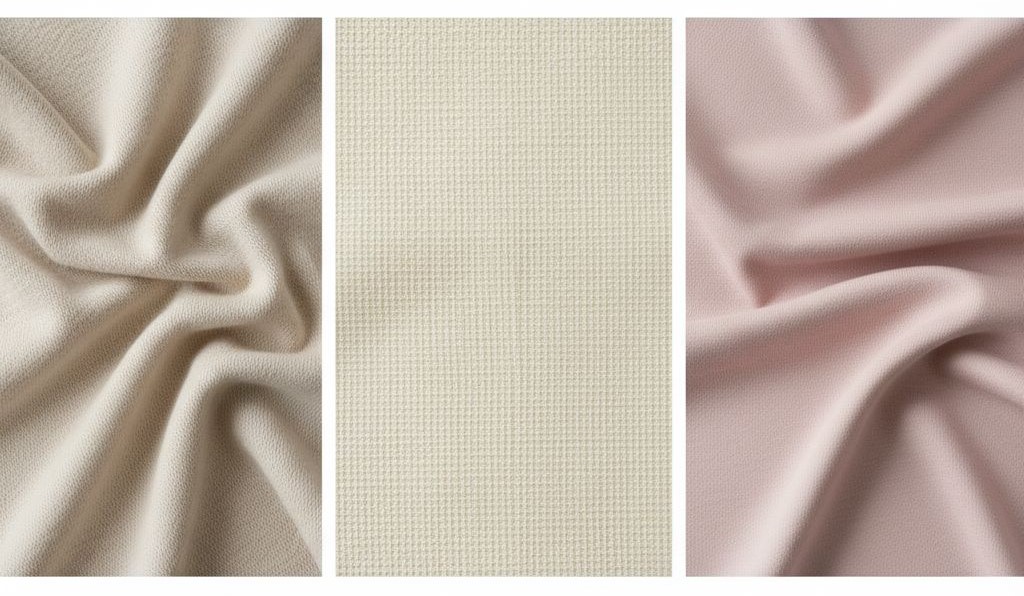
- Woven viscose barely stretches at all.
- Knit viscose stretches naturally because of its looped structure.
- Viscose blends with elastane/spandex provide the most stretch and comfort.
| Fabric Type | Simple Explanation | Real-Life Stretch |
| 🪢 Woven Viscose | 🧱 Tight weave = no flexibility | 🚫 Little to no stretch |
| 🧶 Knit Viscose | 🔁 Loop construction adds natural give | 😊 Soft, comfortable stretch |
| ⚡ Viscose + Spandex | 🧵 Elastic fibers added for real stretch | 🏃♀️ Flexible, moves easily |
| 📊 Stretch % Range | % depends on weave + blend | 0%–60% depending on type |
Woven Viscose: Minimal to No Stretch
Woven viscose is made using straight, interlaced threads that leave almost no room for movement. It drapes beautifully but behaves more like cotton in terms of stretch meaning almost none.
What this means in real life:
- Tight spots at bust, waist, or hips if the fit is close.
- Little give when bending, sitting, or raising arms.
- Best for loose or relaxed fit garments.
If you want comfort and flexibility, woven viscose alone won’t give it to you.
Knit Viscose: Mechanical Stretch From Construction
Knit viscose is formed with loops rather than straight interlacing, giving it mechanical stretch natural flexibility created by the fabric’s structure.
What this means in real life:
- Soft, comfortable stretch without added spandex.
- Great for T-shirts, dresses, lounge sets, and casual wear.
- Moves with the body but doesn’t feel “elastic” or tight.
If you want flexibility without that “synthetic elastic” feel knit viscose is perfect.
Viscose + Elastane/Spandex Blends
When viscose is blended with elastane (also known as spandex or Lycra), the fabric becomes genuinely stretchy. Even small percentages make a noticeable difference.
Common blends and behavior:
- 95% viscose / 5% elastane → soft, flexible everyday stretch
- 90% viscose / 10% elastane → more body hugging and supportive
- Viscose + polyester + elastane → durable, maintains shape better
Real-life expectations:
- Ideal for fitted tops, leggings, bodycon dresses, and stretchy trousers.
- Feels smooth and breathable with reliable flexibility.
- Holds shape much better than pure viscose.
If you want both comfort and shape retention, always choose viscose-elastane blends.
Common Stretch Percentages by Fabric Type
Here’s how much stretch you can expect from each version:
- Woven viscose: 0–2% stretch (almost none)
- Knit viscose: 10–20% mechanical stretch
- Viscose + elastane blends: 20–60% stretch
- Viscose jersey blends: 25–40% stretch with soft drape
Quick takeaway:
If you want stretch, look for:
- Knit viscose
- Viscose + elastane
Avoid woven viscose for anything that needs movement or flexibility.
Understanding stretch is one thing, how viscose acts in real life is another. Here’s what really happens when you wear it.
How Viscose Behaves in Real Life (Stretch, Drape & Recovery)
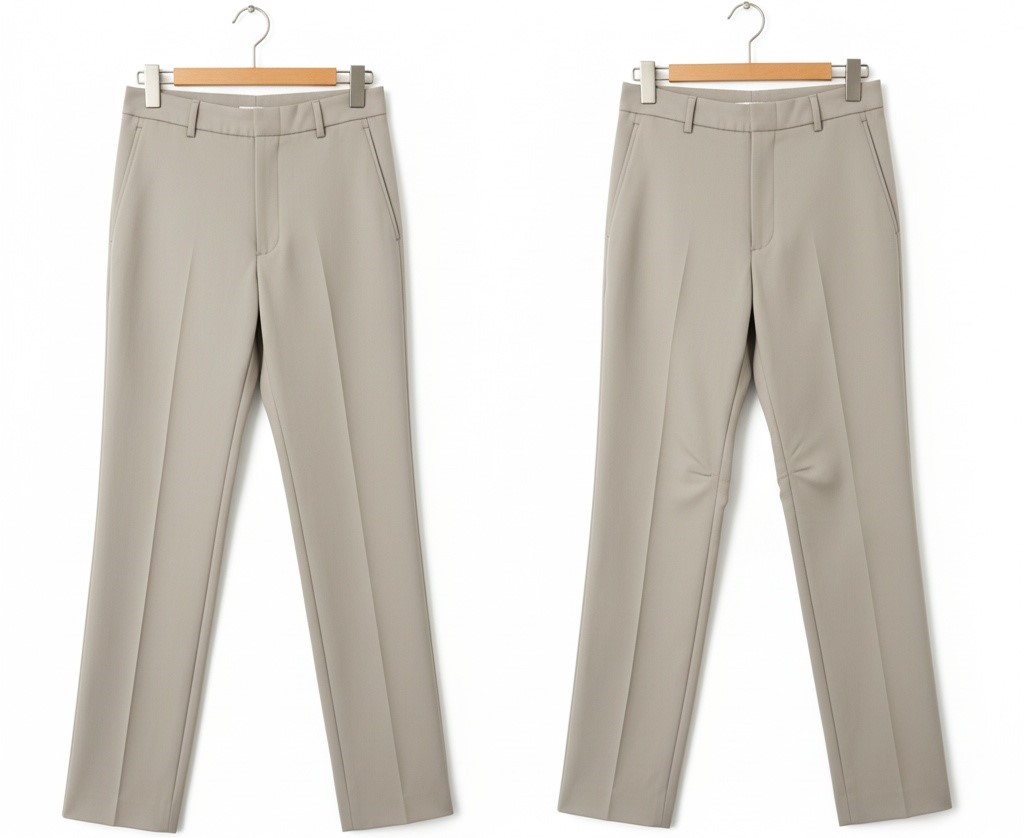
- Viscose can stretch out while you wear it, especially in areas that move a lot.
- It doesn’t fully bounce back to its original shape unless blended with elastane.
- Over time, viscose may sag or get baggy in spots like knees and elbows.
- When wet, viscose becomes weak and can stretch or change shape easily.
| Behavior | Simple Explanation | Real-Life Effect |
| ➡️ Stretches During Wear | 💧 Heat + moisture soften fibers | 😮 Loosens in knees, elbows, waist |
| 🔙 Shape Recovery | ↩️ Poor bounce-back in pure viscose | 🧥 Doesn’t fully return after wear |
| 📉 Sagging Over Time | 🧵 Low elasticity = permanent pull | 👖 Bags at knees, elbows, seat |
| 💦 Wet Stretch | 🫧 Fibers weaken when soaked | ⚠️ Can stretch or distort when washed |
Does Viscose Stretch Out During Wear?
Yes, viscose often stretches during wear, especially in areas that move or bend frequently. Because viscose absorbs moisture (like sweat or humidity) and softens with body heat, the fibers become more flexible as the day goes on.
What this means for you:
- Sleeves may loosen around the elbows
- Pants may relax around the knees or seat
- Fitted tops and dresses may feel less snug over time
Knit viscose stretches the most, while woven viscose has limited movement but can still loosen slightly with wear.
Does Viscose Return to Its Original Shape?
Pure viscose has poor shape recovery meaning once it stretches out, it doesn’t fully bounce back. While washing can help tighten the fibers again, it rarely returns the fabric to its original, brand new form.
Real life expectations:
- Pure viscose won’t fully regain its sharp structure
- Stretchy areas remain slightly relaxed after wear
- Viscose blend garments with elastane recover much better
If maintaining shape is important, choose viscose + elastane blends or garments labeled as “stretch viscose.”
Why Viscose Sags or Bags Over Time
Viscose tends to sag because the fibers don’t have natural elasticity. Once they’re pulled out of place, they don’t spring back.
Common sagging areas include:
- Knees in trousers
- Elbows in sleeves
- The seat of pants and skirts
- Fitted bust areas in tops or dresses
This is why pure viscose pieces often look more “relaxed” by the end of the day.
How to minimize sagging:
- Choose knits over woven viscose for flexibility
- Look for elastane blends for better shape retention
- Avoid overly tight pure viscose garments
Wet Stretch: Why Viscose Changes Shape When Washed
Viscose becomes much weaker when wet. Because it absorbs a lot of water, the fibers swell and lose stability, making them prone to stretching.
Common washing effects:
- Garments may become longer or wider when soaked
- Wringing, twisting, or hanging wet viscose causes distortion
- Items often look misshapen when wet but tighten slightly as they dry
Best care method:
- Gently reshape viscose while damp
- Lay flat to dry to prevent stretching
- Avoid wringing or rough handling
This simple care routine helps keep your viscose clothing looking better for longer.
With the basics covered, here’s what’s good and not so good about stretchy viscose.
Pros and Cons of Stretchy Viscose
- Stretchy viscose is comfortable, breathable, and moves with your body.
- But it can lose shape, sag over time, and requires gentle care.
| Category | Pros | Cons |
| 🧶 Comfort & Feel | 😊 Soft, smooth, flexible; moves with your body | 😕 Can feel loose or less supportive after long wear |
| 🌬️ Breathability | ❄️ Stays cool, airy, and lightweight | 💧 May cling slightly in humidity due to moisture absorption |
| 👗 Fit & Drape | 💃 Flattering drape; adapts to curves; easier sizing | 📉 Loses shape in high-movement areas (knees, elbows, seat) |
| 🔄 Flexibility & Movement | 🏃♀️ Great for daily motion; ideal for dresses, tops, trousers | 🪶 Excess stretch can cause a “relaxed” look over time |
| ↩️ Shape Retention | 🧵 Elastane blends bounce back better | 🚫 Pure viscose has poor recovery and bags with use |
| 🧼 Care & Washing | 🫧 Easy if washed gently; blends stay stable | ⚠️ Weak when wet; can stretch, distort, or shrink if mishandled |
| 🛠️ Durability | 🧩 Blends (viscose + elastane) last longer & maintain shape | ⏳ Pure viscose knits wear faster; may sag or pill |
Best Uses for Stretchy Viscose
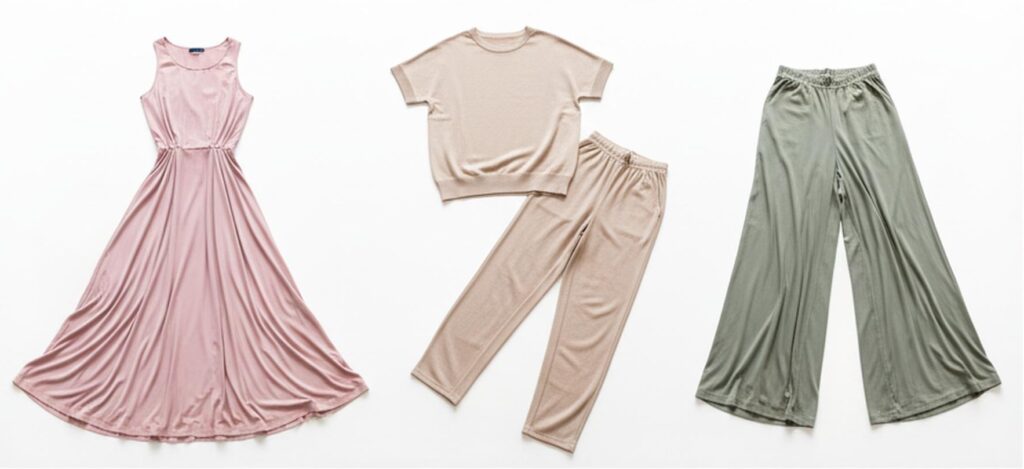
- Stretchy viscose is great for comfy, breathable, flexible clothing like tops, dresses, and everyday wear.
- Avoid stretchy viscose for very structured, tight, or high-stress garments because it can lose shape over time.
| Category | Works Well For | Should Avoid For |
| 👚 Tops & Tees | Everyday comfort | Very fitted tops |
| 👗 Dresses | Flow, drape, movement | Bodycon dresses |
| 👖 Pants & Trousers | Soft stretch for casual wear | Tailored/structured trousers |
| 🛌 Loungewear | Soft, flexible, all-day comfort | Items needing long-term shape retention |
| 🏃♀️ Light Activity Wear | Gentle movement & flexibility | High-impact or athletic wear |
| 🌞 Warm Weather Clothing | Breathable, cool, lightweight | Humid-weather outfits |
| 🧼 Easy Care Garments | Wash-and-wear comfort | Pure viscose that may sag |
When Stretchy Viscose Works Well
Stretchy viscose shines in clothing that needs movement, comfort, and an easy, natural drape. It’s perfect for outfits where flexibility matters more than firmness.
Best real life uses:
- Everyday tops & T-shirts: Soft, breathable, and comfortable for all day wear.
- Casual and flowy dresses: Drapes beautifully, moves with the body, and feels light and airy.
- Loungewear & relaxed styles: Offers gentle stretch without feeling restrictive.
- Warm weather clothing: Breathable and lightweight, ideal for summer or humid climates.
- Travel outfits: Stays comfortable during long hours of sitting, walking, or moving.
- Light activity wear: Good for stretching, walking, or general daily movement (but not intense workouts).
Why it works:
Stretchy viscose keeps all the softness of viscose while adding flexibility, making it a great match for comfort first clothing that still looks stylish.
When You Should Avoid Stretchy Viscose
While stretchy viscose is comfortable, it’s not the best choice for garments that need strong structure or long-lasting shape. Because viscose lacks natural elasticity, it tends to relax, loosen, or sag over time in certain clothing styles.
Avoid it for:
- Bodycon or shapewear style dresses: Needs firm support and strong structure, viscose stretches too much.
- Tailored or fitted trousers: Knees and seat may bag out or lose shape with wear.
- Structured formalwear: Blazers, pencil skirts, and fitted bodices hold their shape better with sturdier fabrics.
- High impact athletic wear: Not supportive enough; loses shape quickly.
- Very tight fitting garments: Pure or lightly blended viscose may loosen throughout the day.
- Hot and humid environments: Absorbs moisture quickly and may cling or stretch unpredictably.
Why to avoid it:
Stretchy viscose softens with heat, movement, and moisture, which can compromise shape and support making it unsuitable for high stress or structured designs.
How to Tell if Viscose Will Stretch (Before You Buy)
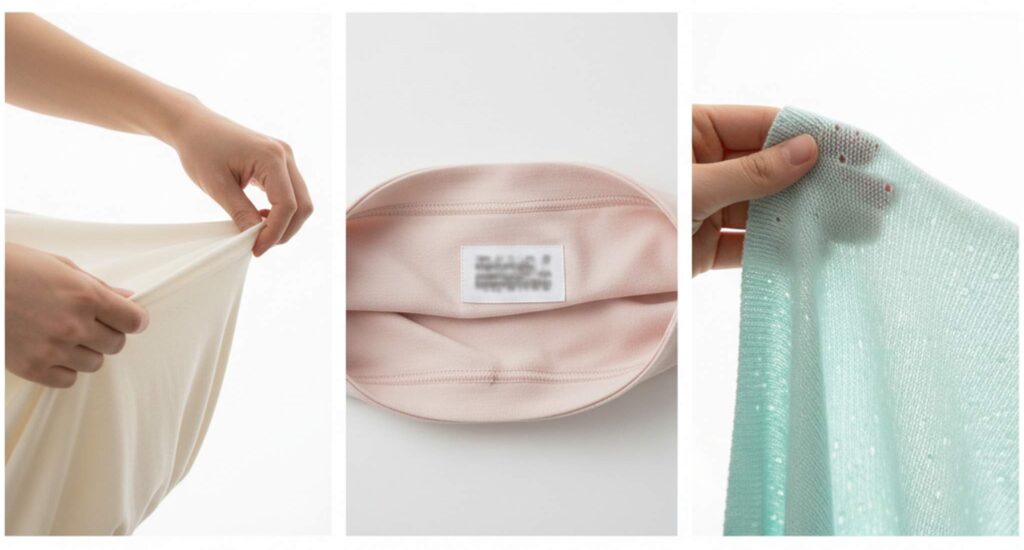
Check the label: elastane/spandex means stretch.
Do a quick stretch + snap test to see recovery.
Knit viscose feels stretchy; woven feels firm.
Hold fabric to the light, looser knits stretch more.
| Method | What to Look For | What It Tells You |
| 🏷️ Fabric Label | “Elastane,” “Spandex,” “Lycra,” or “Jersey” | Guarantees real stretch & better recovery |
| 🔁 Stretch + Recovery Test | Gently pull & see if it snaps back | Snappy return = good stretch; slow return = poor recovery |
| 🧶 Knit vs Woven Feel | Knits feel flexible; wovens feel firm | Knit = natural stretch, Woven = little/no stretch |
| 💡 Light-Test for Knit Density | Hold fabric to light to see spacing | More gaps = more stretch; tight knit = less stretch |
Check the Fabric Label
The fabric label is your first and most reliable indicator of stretch.
If the label includes:
- Elastane
- Spandex
- Lycra
- Viscose jersey
→ the garment will stretch well and recover better.
If the label says only:
- 100% viscose
- Viscose (woven)
→ expect minimal to no stretch.
Real life tip:
Even 3–5% elastane makes a huge difference in comfort and shape retention.
Stretch and Recovery Test
If you can touch the fabric (in-store or at home), use this simple test:
- Hold a small area between your fingers.
- Gently pull it outward.
- Release and watch how it behaves.
What to look for:
- Snaps back quickly → good stretch + good recovery.
- Returns slowly → stretchy but may sag later.
- Doesn’t return at all → weak recovery; pure viscose likely to bag out.
This test reveals how the garment will behave after hours of wear.
Knit vs Woven Feel Test
You can feel the difference immediately:
- Knit viscose → soft, flexible, naturally stretchy
- Woven viscose → smooth but firm, almost no stretch
How to check fast:
Rub the fabric gently between your fingers:
- If it bends and moves easily, it’s knit → expect stretch.
- If it feels stiffer or crisper, it’s woven → little stretch.
Knowing this helps you predict comfort even without trying the garment on.
Light-Test for Knit Density
This is a simple trick that reveals stretch potential instantly.
How to do it:
Hold the fabric up toward a light source.
What to look for:
- Visible tiny gaps/loops → looser knit → more stretch
- Very tight, uniform surface → denser knit → less stretch
- Woven grid pattern → woven → almost no stretch
Real life benefit:
This tells you not only if it stretches, but how much loose knits stretch the most.
Stretchy Viscose vs Alternatives
Modal and bamboo viscose stretch better and keep shape slightly more than regular viscose.
Lyocell (TENCEL) is stronger, less stretchy, and holds shape better.
Cotton + elastane blends are more breathable and durable than viscose + elastane but less drapey.
| Comparison | Pros | Cons |
| 🧵 Viscose vs Modal | 😌 Softer, stretchier, better recovery | ⏳ Slightly less durable than lyocell |
| 🌱 Viscose vs Lyocell (TENCEL) | 💪 Strong, holds shape, long-lasting | 🧊 Less stretchy, firmer feel |
| 🎋 Viscose vs Bamboo Viscose | 🫶 Softer, stretchier, breathable | 💧 Absorbs moisture easily (may cling) |
| 🧶 Viscose+Elastane vs Cotton+Elastane | 👗 Better drape, smoother feel | 🛠️ Cotton blend lasts longer, stronger stretch |
Viscose vs Modal
Modal is technically a type of high quality viscose, but it behaves much better when it comes to stretch and durability.
Modal advantages:
- Softer and smoother than standard viscose
- More flexible and naturally stretchy
- Better shape retention (less sagging)
- Stronger fibers, so it lasts longer
Real life takeaway:
If you want something that feels like viscose but stretches better and sags less, modal is the upgrade.
Viscose vs Lyocell (TENCEL)
Lyocell (TENCEL) is also a cellulose fiber but made using a more sustainable process and with stronger internal structure.
Lyocell advantages:
- Stronger wet and dry → doesn’t stretch out easily
- Holds shape better than viscose
- Smoother drape with a slightly firmer feel
- More durable and long lasting
Real life takeaway:
Lyocell is perfect for structured tops, trousers, and garments that need durability, not stretch.
Viscose vs Bamboo Viscose
Bamboo viscose is created similarly to regular viscose but often ends up softer and stretchier.
Bamboo viscose advantages:
- Naturally soft and silky
- More stretch and flexibility
- Highly breathable and moisture wicking
- Great for sensitive skin
Real life takeaway:
For sleepwear, loungewear, or warm climate clothing, bamboo viscose outperforms regular viscose.
Viscose + Elastane vs Cotton + Elastane
These are the two most common everyday stretch fabrics.
Viscose + Elastane advantages:
- Smoother, more fluid drape
- Softer and dressier feel
- More flattering in flowy styles
Cotton + Elastane advantages:
- Better durability and long term stretch
- Less sagging in elbows, knees, or waist
- Breathes well and handles sweat better
Real life takeaway:
- Choose viscose + elastane for drapey dresses, stylish tops, or soft fitted clothes.
- Choose cotton + elastane for durable T-shirts, leggings, jeans, or everyday basics.
FAQs About Viscose
Is viscose a natural fiber?
Not exactly, viscose is semi synthetic.
It starts with a natural base (wood pulp/cellulose), but it’s processed using chemical treatments to turn that pulp into a soft, wearable fiber.
So viscose is not fully natural like cotton or linen, and not fully synthetic like polyester.
It sits in the middle as a regenerated cellulose fiber.
Is viscose breathable?
Yes, viscose is a very breathable fabric.
Why:
Viscose is made from regenerated cellulose, which naturally allows airflow and moisture absorption, making it feel cool and comfortable. Its lightweight structure helps heat escape, so it doesn’t trap sweat the way synthetics can.
Exceptions:
- Tightly woven viscose can feel less breathable.
- Viscose blended with polyester or nylon may reduce airflow.
- Coated or heavily finished viscose (e.g., satin-like finishes) can feel less breathable.
Is viscose good for summer?
Yes, viscose is very good for summer because it’s lightweight, breathable, and feels cool on the skin.
Why:
- Highly breathable: Allows air to flow, preventing overheating.
- Moisture-absorbing: Wicks sweat away better than polyester.
- Cool, smooth feel: Naturally feels light and airy, similar to cotton or linen.
- Drapes well: Ideal for flowy summer dresses, skirts, and tops that don’t cling in heat.
Exceptions:
- Heavy or tightly woven viscose can trap more heat.
- Viscose that’s blended with polyester/nylon may reduce breathability.
- Poor-quality viscose can feel clammy in very humid conditions.
- Not great when wet: Viscose weakens and may cling if you sweat heavily.
Is viscose toxic?
For the person wearing it, viscose fabric itself is generally not considered toxic. The problem is mainly in how it’s made, not in wearing it.
Why:
Viscose is made from wood pulp (cellulose) that’s heavily processed with chemicals (like carbon disulfide and sodium hydroxide) to turn it into fiber.
- In finished clothing, most of these chemicals are washed out, so the fabric is usually safe for everyday wear for most people.
- The big toxicity concerns are:
- For workers in factories exposed to chemicals
- For the environment, if wastewater and fumes aren’t treated properly
So, toxicity is more about production and pollution than about the fabric on your skin.
Exceptions:
- Poorly regulated factories: If safety and environmental controls are weak, workers and nearby communities can be exposed to harmful chemicals.
- Very sensitive skin or allergies: A small number of people may react to dyes, finishes, or residues on viscose (similar to reactions with other fabrics).
- Cheap, low-quality production: Where standards are low, there may be more leftover chemicals or harsher finishes on the fabric.
If you’re worried, look for certifications (like OEKO-TEX, FSC, or brands that mention responsible/closed-loop viscose) and wash new clothes before wearing.
is viscose plastic?
No, viscose is not plastic.
Why:
Viscose is made from wood pulp (cellulose), a natural plant material.
Although it goes through chemical processing, the fiber itself is not petroleum based, which is what defines plastics like polyester, nylon, and acrylic.
So viscose is classified as a semi synthetic, regenerated cellulose fiber, not a plastic.
is Viscose Shiny?
Yes, viscose can be shiny, but it depends on how it’s made.
Why:
Viscose naturally has a smooth, silky surface that reflects light well, giving it a mild sheen. Manufacturers can also adjust:
- Fiber thickness
- Weave style
- Finishing treatments
These factors can make viscose look matte, semi-shiny, or very shiny similar to silk.
Exceptions:
- Matte viscose weaves (like crepe or twill) have little to no shine.
- Blended fabrics (with cotton or linen) reduce sheen.
- Textured finishes can make viscose appear dull.
is Viscose Rayon?
Yes, viscose is a type of rayon.
Why:
“Rayon” is the umbrella term for fibers made from regenerated cellulose (wood pulp).
Viscose is the most common form of rayon, created through the viscose process.
So:
- Rayon = category
- Viscose = one type of rayon
Other types include modal and lyocell, which are also rayon variants but made with different chemical processes.
Exceptions:
- Not all rayon is viscose, modal and lyocell are also rayon but are stronger and more eco-friendly.
Some countries use “rayon” on labels, others use “viscose,” but they often mean the same basic fiber.
Is Viscose expensive?
No, viscose is generally affordable.
Why:
It’s made from inexpensive wood pulp and produced at scale, so it costs less than silk, wool, or many natural fibers.
Exceptions:
- Higher quality viscose or special finishes can be pricier.
- Sustainable or certified viscose costs more.
- Designer brands may charge more regardless of fabric cost.
Final Verdict: When Is Viscose Stretchy and Should You Choose It?
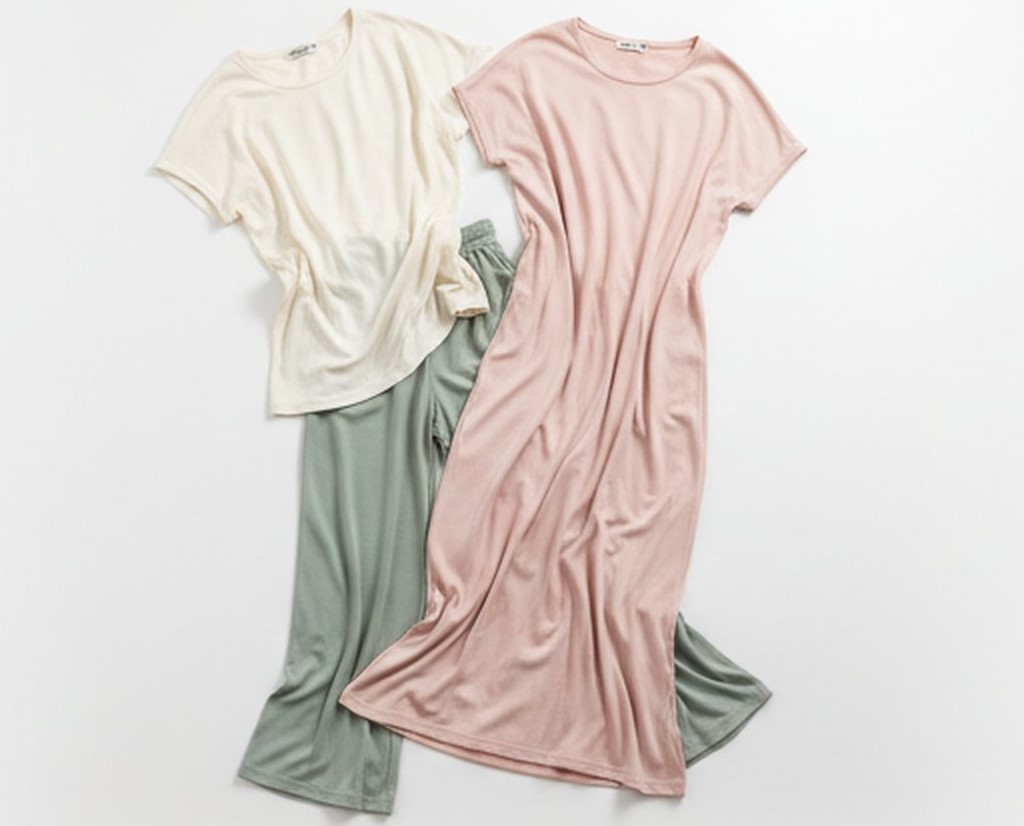
Viscose is stretchy only when knitted or blended with elastane.
Choose it for comfort, softness, and drape.
Avoid it for structured or tight clothing that needs firm shape.
| Question | Quick Answer | Best Choice For |
| 🔍 Is viscose stretchy? | 🧶 Only if knit or blended | Casual wear, soft tops, dresses |
| 💪 Does it hold shape? | ⚠️ Pure viscose: weak recovery | Elastane blends, not pure viscose |
| 🧵 When to choose it? | 😊 Comfort, drape, breathability | Warm weather, daily outfits |
| 🚫 When to avoid it? | 📉 Needs structure or strong shape | Tailored clothes, bodycon, athletic wear |