
What is viscose fabric? An In-Depth Guide to This Semi-Synthetic Material

Introduction
Viscose is a semi-synthetic fabric made from natural cellulose, usually wood pulp.
It’s processed through chemicals to create a fabric that’s soft, breathable, and affordable.
Why You Should Care About Viscose
Viscose feels luxurious, but its production has a hidden cost.
From water waste to harmful chemicals, understanding viscose is key to making eco-conscious choices.
Ever wondered what’s really in your clothes? This guide breaks it down.
What to Expect From This Guide
In this guide, we’ll cover:
- The viscose manufacturing process — how it’s made.
- The pros and cons of viscose — why it’s both loved and critiqued.
- The environmental impact of viscose production.
- How to choose and care for viscose fabrics.
Keep reading to get the facts, backed by expert research, to help you make smarter choices.
What is Viscose Fabric? Understanding the Basics
Definition and Composition of Viscose
Viscose is a semi-synthetic fiber made from natural cellulose (usually from wood pulp).
It’s chemically processed to create a soft, breathable fabric with a silk-like feel.
Though it’s derived from nature, it’s not entirely natural due to the chemical processes involved.
How Viscose Differs from Other Fabrics
Unlike cotton or linen, which are spun directly from natural fibers, viscose is made through a regeneration process.
While it feels similar to silk, it’s far more affordable and can be easier to care for.
Viscose offers a smooth drape but is more vulnerable to damage when wet, unlike synthetic fibers like polyester.
The Origins and History of Viscose Fabric
Viscose was developed in 1892 by British chemists Cross, Bevan, and Beadle.
They aimed to create a cheaper alternative to silk, and their process was patented soon after.
Commercial production began in the early 1900s, and by the 1920s, it was known as “artificial silk”.
The Rise of Viscose in the Textile Industry
Viscose quickly gained popularity in the textile industry for its affordability and luxurious feel.
It became a key fabric in fashion, replacing expensive silk in many garments.
Today, it’s one of the most used fibers globally, found in everything from clothing to home textiles and upholstery.
How Viscose is Made: The Manufacturing Process
Overview of the Viscose Production Process
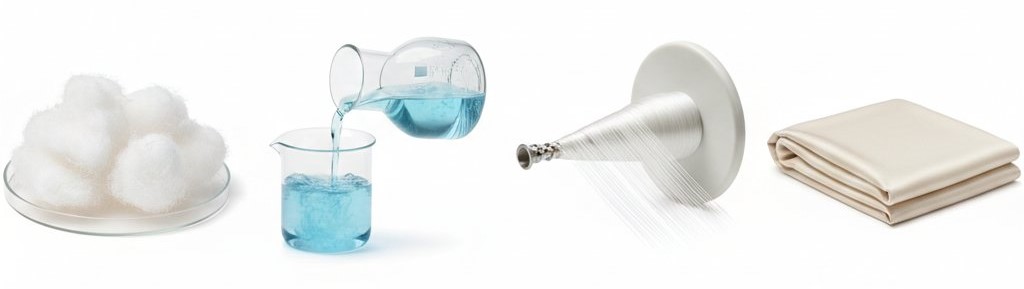
Viscose is made by turning natural cellulose (from wood pulp or cotton linters) into a fiber through a chemical process.
The process involves dissolving the cellulose, transforming it into a viscous solution, and then spinning it into fibers.
It’s a complex process, but the result is a fabric that’s soft, breathable, and versatile.
Key Steps in Viscose Fabric Manufacturing
Cellulose Extraction (Wood Pulp, Cotton Linters)
The process starts by extracting cellulose from wood pulp or cotton linters, which are rich in cellulose.
This is the raw material that forms the foundation of viscose fibers.
Chemical Treatment and Viscose Solution Creation
The cellulose is treated with sodium hydroxide and carbon disulfide to produce a viscous solution.
These chemicals are a major reason traditional viscose production is associated with significant environmental concerns and worker safety issues, which we will explore in detail in the next section.”
This solution is then aged to prepare it for the next step: fiber regeneration.
Spinning the Fibers and Regeneration
The viscose solution is pushed through spinnerets into an acid bath, where the fibers regenerate.
These fibers are then washed, bleached, dried, and spun into yarn, ready for weaving or knitting into fabric.
Viscose Fabric Properties : Why It’s Loved and What to Be Cautious About
Softness, Drape, and Comfort
Viscose is known for its soft, silk-like feel.
The fabric has a smooth drape, making it a popular choice for flowing garments like dresses and blouses.
It’s comfortable to wear, especially in warmer weather, due to its lightness and soft texture.
Breathability and Moisture Absorption
One of viscose’s standout properties is its breathability.
The fabric absorbs moisture well, which makes it feel cool and fresh, even in humid conditions.
This is why viscose is often used for summer wear and bed linens.
Dyeability and Versatility
Viscose takes dye beautifully, resulting in vibrant, rich colors.
It’s incredibly versatile, used in everything from fashion to home textiles.
Its ability to blend with other fibers like cotton and polyester makes it a flexible choice for many types of products.
Durability Concerns and Potential Drawbacks
Despite its many benefits, viscose does have some durability concerns. Here’s what to watch out for:
Shrinkage, Stretching, and Wear
Viscose can be prone to shrinkage, especially if washed improperly.
It’s also susceptible to stretching, particularly when it’s wet, which can affect the fit and shape of garments.
How Viscose Performs When Wet
Viscose weakens when wet.
This makes it more prone to damage during washing or in humid conditions.
It’s important to handle viscose with care, especially when it’s wet, to avoid stretching or tearing.
Impact of Frequent Washing on Viscose
Frequent washing can cause viscose to lose its shape and color intensity over time.
The fabric may also wear out faster with repeated laundering, making it more suitable for gentle care.
Quality Variability in Viscose Fabrics
Low-Quality vs. High-Quality Viscose
Not all viscose fabrics are created equal.
Low-quality viscose may feel rough, shrink excessively, and lose color quickly.
High-quality viscose, on the other hand, is more durable, retains its softness, and can withstand washing better.
Factors Affecting the Quality of Viscose
The quality of viscose depends on the manufacturing process and the source of cellulose.
Sustainably produced viscose with a closed-loop production process tends to be of higher quality and more eco-friendly than cheaper alternatives.
Environmental Impact and Sustainability of Viscose Fabric
Environmental Challenges of Traditional Viscose Production
While viscose has many desirable qualities, its production can come with significant environmental challenges. Here’s a look at the key issues:
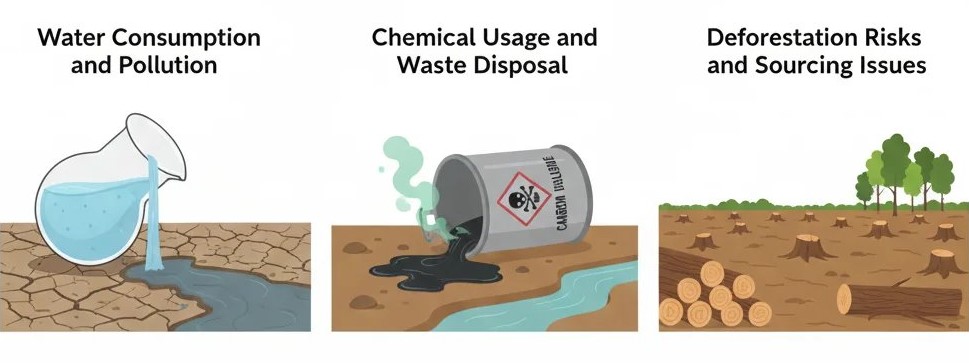
Water Consumption and Pollution
Viscose production is water-intensive.
Large amounts of water are needed to dissolve cellulose and rinse fibers.
If not properly treated, wastewater can be polluted, harming nearby ecosystems.
Chemical Usage and Waste Disposal
The process uses harsh chemicals like carbon disulfide and sodium hydroxide.
Improper disposal of these chemicals can lead to soil and water contamination, posing health risks to both humans and wildlife.
Deforestation Risks and Sourcing Issues
Viscose is often made from wood pulp, which can contribute to deforestation if the wood isn’t sustainably sourced.
The unsustainable logging practices can lead to habitat destruction, harming biodiversity.
Innovations in Sustainable Viscose Production
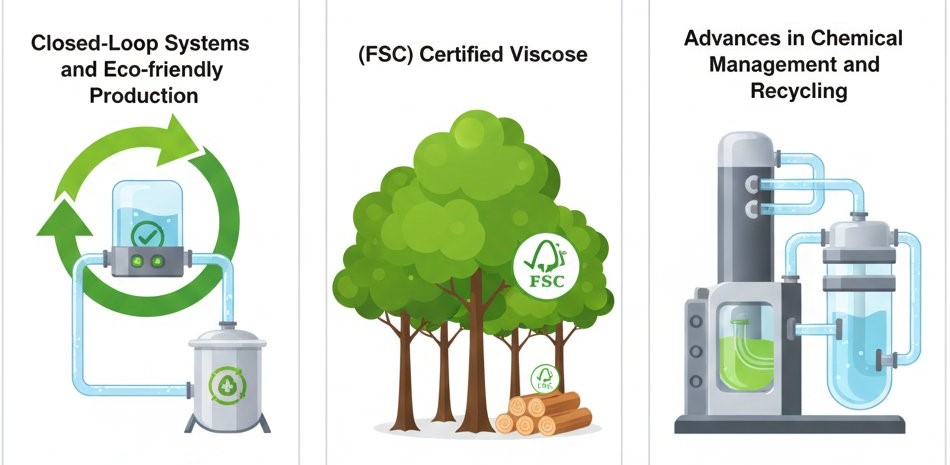
Despite the environmental issues, there have been several innovations aimed at making viscose production more sustainable:
Closed-Loop Systems and Eco-friendly Production
A closed-loop system recycles solvents used in the process, reducing harmful chemical waste.
This system allows for a more eco-friendly production of viscose, minimizing pollution and waste.
Forest Stewardship Council (FSC) Certified Viscose
FSC-certified viscose ensures that the wood pulp comes from sustainably managed forests.
This certification helps combat deforestation and promotes responsible sourcing of raw materials.
Advances in Chemical Management and Recycling
Advancements in chemical management are making the viscose process cleaner.
Technologies are emerging that recycle chemicals and reuse water, making the process more sustainable overall.
Alternatives to Viscose: Is It Really Sustainable?
Viscose might not be the most sustainable option available. Here are some alternatives that aim to offer better environmental benefits:
Lyocell (Tencel™), Modal, and Recycled Viscose
Lyocell (Tencel™) and Modal are made through more eco-friendly processes, often using closed-loop systems that minimize waste and chemical use.
Recycled viscose is made from post-consumer waste, offering a more sustainable alternative to virgin viscose.
Comparing Viscose to Other Sustainable Fabrics
While viscose can be eco-conscious when produced responsibly, Lyocell and Modal are often considered more sustainable options due to their low-impact production methods and closed-loop systems.
Global Viscose Market : Size, Trends, and Industry Insights
Market Overview — Current Market Size and Forecasts
The global viscose staple fiber market size is projected at USD 27.37 billion in 2025 and expected to grow to USD 40.26 billion by 2032, reflecting a CAGR of 8.4% during the forecast period
Viscose’s widespread use in textiles, from fashion to home goods, drives its demand, with increasing interest in eco-friendly alternatives contributing to this upward trend.
Key Players in the Viscose Industry
Some of the leading players in the viscose industry include Lenzing AG, Sateri, and Aditya Birla Group.
These companies are focusing on improving sustainability practices, such as closed-loop production systems and sourcing certified wood pulp to address environmental concerns.
Their investments in research and development are helping to shape the future of viscose fabric.
Viscose Demand by Region
Viscose Production and Consumption in Asia-Pacific
Asia-Pacific dominates the global viscose market, accounting for over 50% of global production.
China, India, and Indonesia are key players, with China being the largest producer and consumer.
The region’s booming textile industry drives high demand, especially in affordable fashion and home textiles.
North America and Europe’s Growing Demand for Eco-friendly Viscose
In North America and Europe, there’s a growing demand for eco-friendly viscose produced through sustainable methods.
Consumers in these regions are increasingly seeking fabrics that are ethically sourced and environmentally responsible, leading to higher adoption of FSC-certified and closed-loop viscose.
Future Trends and Opportunities in Viscose Fabric
The future of viscose looks promising, with several trends and opportunities on the horizon:
- Sustainability focus: The push for greener production methods, including closed-loop systems and the use of recycled materials, will shape the industry.
- Technological advancements: Smart fabrics and innovations in chemical management will continue to improve the fabric’s performance and reduce its environmental footprint.
- Market diversification: As demand grows for sustainable fabrics, viscose is expected to expand into new industries such as medical textiles and industrial applications.
How to Choose the Best Viscose Fabric — A Comprehensive Buying Guide
What to Look for When Buying Viscose
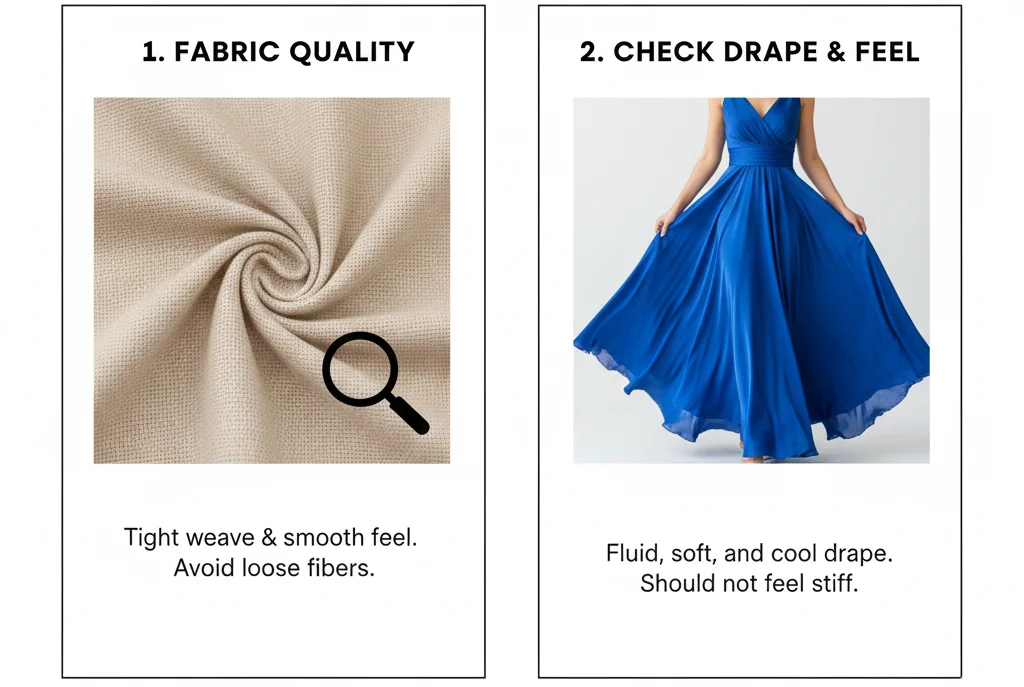
Checking Fabric Quality and Weave Tightness
When buying viscose, start by inspecting the fabric’s weave.
A tight weave generally indicates better durability and a smoother feel.
Low-quality viscose may have loose fibers and feel rough or flimsy.
Assessing the Drape and Feel of Viscose
Viscose should have a soft, fluid drape that moves elegantly.
Check how it falls and flows when you hold or wear it.
A good-quality viscose will feel smooth and cool, without stiffness or stiffness.
The Importance of Certification and Ethical Sourcing
FSC Certified and Closed-Loop Viscose
When buying viscose, look for FSC-certified fabric, which ensures the raw materials come from sustainably managed forests.
Also, closed-loop viscose is a great option because it’s produced with processes that minimize waste and reuse chemicals.
How to Spot Sustainable Viscose Brands
Look for brands that are transparent about their sourcing and manufacturing processes.
Check if they use eco-friendly practices, such as certifications (like FSC or OEKO-TEX) and sustainable packaging.
Sustainable brands will often proudly display their commitment to ethical production.
Comparing Viscose with Other Fabrics for Specific Uses
Viscose vs. Cotton: Pros and Cons
Viscose: Softer, more luxurious feel, and better drapability, but can be less durable and more prone to shrinkage.
Cotton: More durable, breathable, and easy to care for, but can feel rougher and lacks the silky smoothness of viscose.
Viscose vs. Silk and Polyester
Viscose: Offers a silk-like feel but is more affordable and easier to care for.
Silk: More luxurious and durable but much more expensive and high-maintenance.
Polyester: Stronger and less prone to damage, but lacks the breathability and luxury of viscose.
When to Choose Viscose over Lyocell or Modal
Viscose: Ideal for affordable luxury fabrics with great drape and vibrant color retention.
Lyocell/Modal: More sustainable alternatives with a closed-loop process, ideal for eco-conscious consumers, but generally more expensive than viscose.
Viscose Fabric Care: Tips for Long Lasting Wear
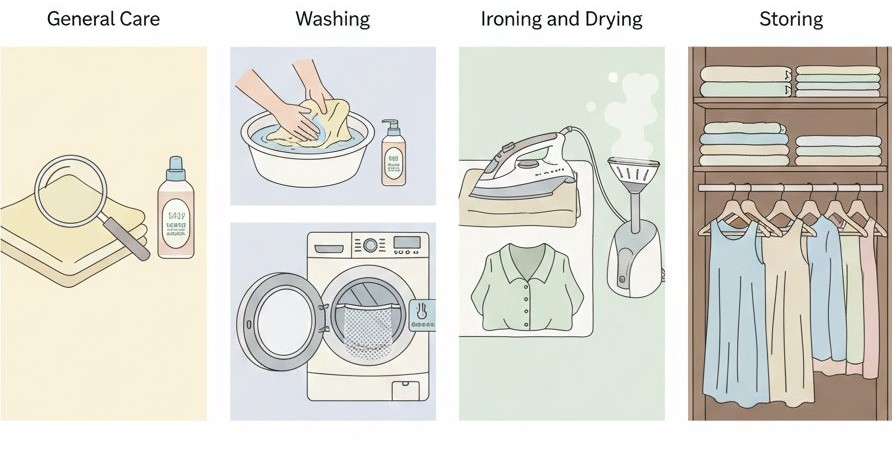
General Care Instructions for Viscose Fabrics
Viscose is delicate and needs gentle care to maintain its appearance.
- Avoid harsh chemicals and bleaching agents.
- Wash in cold water and always check fabric care labels for specific instructions.
- Air-dry instead of tumble-drying to preserve the fabric’s shape.
How to Wash Viscose Without Damaging It
Hand Wash vs. Machine Wash
Hand wash is the safest option for viscose, as it’s gentle on the fabric.
If you machine wash, use a delicate cycle with a laundry bag to protect the fibers.
Recommended Detergents and Washing Techniques
Use a mild detergent (preferably pH-balanced).
Avoid using too much detergent, as it can damage the fibers.
Do not wring the fabric after washing; gently press out excess water.
How to Iron and Dry Viscose Properly
Iron on low heat with the fabric still slightly damp to avoid burning or shining the surface.
If it’s dry, use a steamer for the best results, or iron with a cloth between the iron and fabric.
For drying, lay flat or hang on a padded hanger to prevent stretching.
Storing Viscose Clothes: Avoiding Shrinkage and Wear
- Store viscose items in a cool, dry place away from direct sunlight, which can fade the fabric.
- Use padded hangers for hanging garments, and for items that don’t hang well, fold them carefully.
- Avoid overcrowding in your closet to prevent unnecessary stress on the fibers.
Viscose Fabric in Different Applications
Viscose in Fashion and Apparel
in Summer and Light Fabrics
Viscose is a perfect choice for summer fabrics due to its breathability and moisture-wicking properties.
It’s lightweight, cool to the touch, and drapes beautifully, making it ideal for summer dresses, blouses, and lightweight scarves.
Viscose’s ability to absorb dye results in vibrant, long-lasting colors, perfect for seasonal styles.
Viscose Blends for Better Durability
While pure viscose has a soft feel, blending it with other fibers (like polyester or cotton) improves its durability.
Blends offer the best of both worlds: the luxurious feel of viscose combined with the strength and wrinkle resistance of synthetic fibers, making it suitable for everyday wear and heavier fabrics.
Viscose in Home Textiles and Upholstery
Viscose is commonly used in home textiles, including bedding, curtains, and upholstery.
Its soft texture and elegant drape add a touch of luxury to any room, while its ability to hold vibrant colors makes it perfect for decorative fabrics.
In upholstery, viscose blends often offer enhanced durability, making them suitable for furniture that sees regular use.
Viscose in Industrial and Medical Uses
Viscose’s versatility extends to industrial and medical applications.
In medical textiles, it’s used in wound dressings, bandages, and surgical drapes due to its softness and absorbency.
It is also used in nonwoven fabrics for hygiene products, including diapers, sanitary napkins, and wet wipes, as it’s highly absorbent and gentle on the skin.
Viscose as an Alternative to Synthetic Fibers in Sustainable Fashion
Viscose is increasingly seen as an alternative to synthetic fibers like polyester in the sustainable fashion movement.
When produced sustainably, viscose offers a biodegradable alternative to petrochemical-based fabrics.
Brands are turning to eco-friendly viscose and closed-loop production systems, which make it a greener option compared to traditional synthetics.
Frequently Asked Questions (FAQs)
Is Viscose Fabric for Summer or winter
Viscose fabric is ideal for summer due to its breathability and moisture-wicking properties.
Why:
Viscose is lightweight, soft, and absorbs moisture, making it cool and comfortable in warm weather. It helps keep the body cool by allowing air to flow through the fabric, making it perfect for summer wear.
Exception:
In winter, viscose may not be as suitable on its own, as it lacks the insulating properties of warmer fabrics like wool or flannel. However, viscose blends with other materials can provide more warmth.
is viscose 100% natural
No, viscose is not 100% natural; it is a semi-synthetic fabric made from natural cellulose but processed with chemicals.
Why:
Viscose starts from natural sources like wood pulp, but it undergoes a chemical process to turn cellulose into fiber, making it semi-synthetic rather than fully natural.
Exception:
While the raw material is natural, the chemical treatments involved in production prevent it from being considered 100% natural. However, sustainably produced viscose (e.g., closed-loop production) is more eco-friendly than traditional methods.
Can Viscose Be Recycled
Yes, viscose can be recycled, especially in closed-loop systems where the fibers are repurposed without losing quality.
Why:
Viscose is made from cellulose, a natural polymer, which can be recycled and turned back into new fibers through specialized processes, reducing waste and resource use.
Exception:
Recycling viscose may be more challenging for fabrics that contain blends with other materials like polyester, which complicates the recycling process.
can you iron viscose
Yes, you can iron viscose, but it should be done on a low heat setting and preferably while the fabric is slightly damp.
Why:
Viscose is a delicate fabric, and using high heat can cause damage, such as burn marks or shiny spots. Ironing it on a low setting prevents these issues while maintaining its smooth appearance.
Exception:
If the fabric is completely dry, it’s better to use a steamer or iron with a cloth between to avoid direct contact with the iron.
Is Viscose Eco-friendly
Viscose can be eco-friendly if produced through sustainable practices like closed-loop systems and responsibly sourced materials.
Why:
While viscose is made from natural cellulose, its production can involve harmful chemicals and contribute to deforestation if not managed properly. Sustainable methods, such as closed-loop systems, recycle solvents and reduce environmental impact.
Exception:
Traditional viscose production is not eco-friendly due to chemical waste and water pollution. However, eco-friendly alternatives like lyocell offer a greener solution.
Can you steam viscose
Yes, you can steam viscose, and it’s actually a gentler method than ironing to remove wrinkles.
Why:
Steaming helps to relax the fibers without applying direct heat, which can prevent damage and shiny spots often caused by irons.
Exception:
If the fabric is heavily wrinkled or dry, steaming alone might not be as effective, and a low heat iron may be needed for better results.
Conclusion — Is Viscose Fabric Right for You?
Final Thoughts on Viscose’s Benefits and Downsides
Viscose offers a luxurious feel, breathability, and affordable price, making it a popular choice for fashion, home textiles, and even medical applications.
However, its production process can have environmental impacts, including chemical usage and deforestation risks. While viscose can be a sustainable option when produced responsibly, it’s essential to weigh its pros and cons carefully, especially regarding durability and eco-friendliness.
How to Make a Smart Purchase Decision Based on Your Needs
When deciding whether viscose is the right fabric for you, consider:
- Quality: Look for high-quality viscose to ensure durability and softness.
- Use Case: If you’re looking for something lightweight and breathable, viscose is ideal for summer fabrics. For everyday use, consider blends that offer better durability.
- Sustainability: Choose FSC-certified or closed-loop viscose for a more eco-conscious choice.
Make your purchase decision based on fabric quality, intended use, and sustainability goals.
Moving Toward Sustainable Fabric Choices
As the demand for more sustainable fabrics grows, viscose is evolving to meet those needs with eco-friendly production methods like closed-loop systems and responsible sourcing.
By opting for more sustainable viscose options, you contribute to a greener fashion industry and support brands committed to ethical production.
Ultimately, viscose can be a great choice, especially when produced with sustainability in mind. Make sure your fabric choices align with both your practical needs and your environmental values.