
Why Is Viscose Bad? A Clear, Science-Backed Explanation
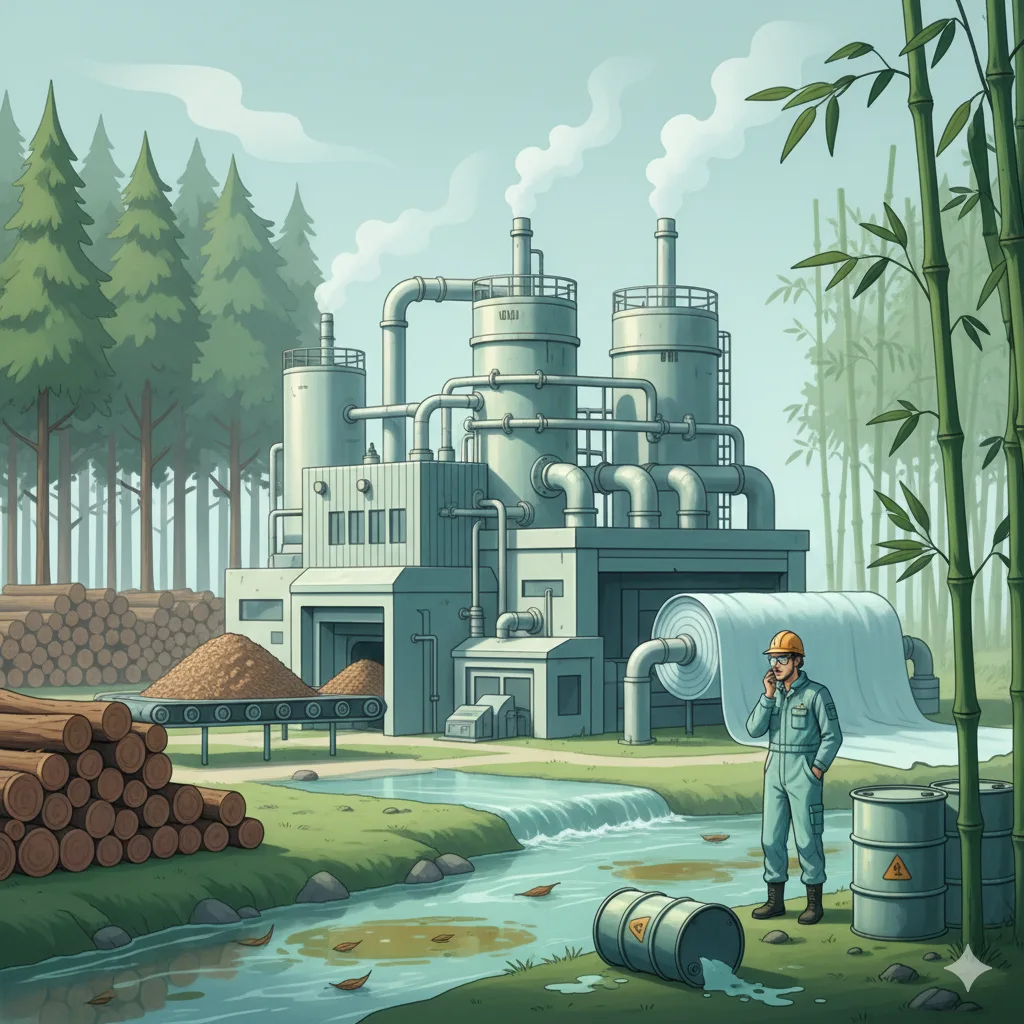
Viscose is not always “bad,” but it does have clear, well documented disadvantages related to durability, care, and environmental impact. Whether it is a poor choice depends on how it is made, used, and maintained.
Viscose is a semi synthetic fiber made from regenerated cellulose, usually derived from wood pulp and processed using chemical solvents.
It is often marketed as a natural or eco-friendly fabric, but its production and performance place it closer to synthetics than to true natural fibers.
This article takes a neutral, science-based approach to explain where it falls short, why it is criticized, and where common misunderstandings come from.
The goal is to separate marketing claims from material reality using textile science and practical performance facts.
Quick Answer (Why Some People Consider Viscose “Bad”)
- Weak when wet and easily damaged during washing.
- Shrinks, wrinkles, and loses shape faster than many fabrics.
- Requires gentle care, making it impractical for everyday wear.
- Made using harsh chemicals that can harm workers and the environment.
- Often used in fast fashion, leading to short garment lifespan.
- Can feel heavy and uncomfortable once it absorbs sweat.
The Real Problems With Viscose (Explained Simply & Practically)
High Environmental Impact From Chemical Processing
Viscose starts as wood pulp, but turning that pulp into fabric requires intensive chemical processing.
The raw material is dissolved using carbon disulfide, sodium hydroxide, and later regenerated in sulfuric acid baths to form fibers.
Why this matters in practical terms:
- Health risks to workers: Carbon disulfide exposure has been linked to nerve damage and long term health issues in poorly regulated factories.
- Water pollution: Waste water from viscose production can contaminate rivers if not properly treated.
- Environmental damage: Many factories are located in regions with weak environmental enforcement, amplifying these effects.
This is why the label “bamboo viscose” is often misleading. Bamboo may grow quickly, but once it goes through the same chemical heavy process, the environmental benefits largely disappear.
The final fabric is chemically identical to regular viscose, not a naturally processed fiber.
Weak When Wet, Loses Up to Half Its Strength
When viscose gets wet, the fibers absorb water and swell, which weakens their internal structure. As a result, the fabric can lose a significant portion of its strength while damp.
Real life consequences:
- Dresses stretch out when washed and never return to their original shape.
- Viscose rugs tear or distort during cleaning.
- Clothes deform in the washing machine even on gentle cycles.
This weakness when wet is the most common complaint from users and the main reason viscose garments fail early.
Prone to Shrinking, Pilling & Losing Shape Quickly
Viscose pills because it is made from short fibers with low resistance to friction. Everyday wear causes these fibers to break and tangle on the surface.
It shrinks because:
- Fibers contract when exposed to water.
- The already weak wet strength makes deformation permanent.
Common scenarios include:
- Leggings stretching at the knees after a few wears.
- Sweaters fuzzing and thinning after 2–3 uses.
Compared to modal, lyocell, or cotton, viscose holds its shape far less reliably and degrades faster under normal use.
Sensitive to Water & Requires Delicate Care
Most viscose fabrics are not designed for regular machine washing. Water exposure can permanently alter the fabric.
Typical care issues include:
- Dry-clean-only labels on everyday clothing.
- Hand washing that still leads to distortion.
- Visible water spots that cannot be removed.
Real life failures:
- Water rings forming on viscose rugs.
- Fabric becoming stiff or losing its natural drape after washing.
This happens because viscose lacks structural resilience once wet, making even mild handling damaging.
Can Trap Heat Depending on Weave & Finish
Viscose is often advertised as breathable, but this is not always true. Its comfort depends heavily on:
- Weave tightness
- Fabric weight
- Chemical finishes applied
Examples where viscose overheats:
- Formal shirts made from tightly woven viscose.
- Satin style viscose blends used in eveningwear.
These finishes reduce airflow, causing heat buildup. This corrects a common misconception promoted by clothing brands that viscose is automatically cooling.
Absorbs Sweat and Gets Heavy During Wear
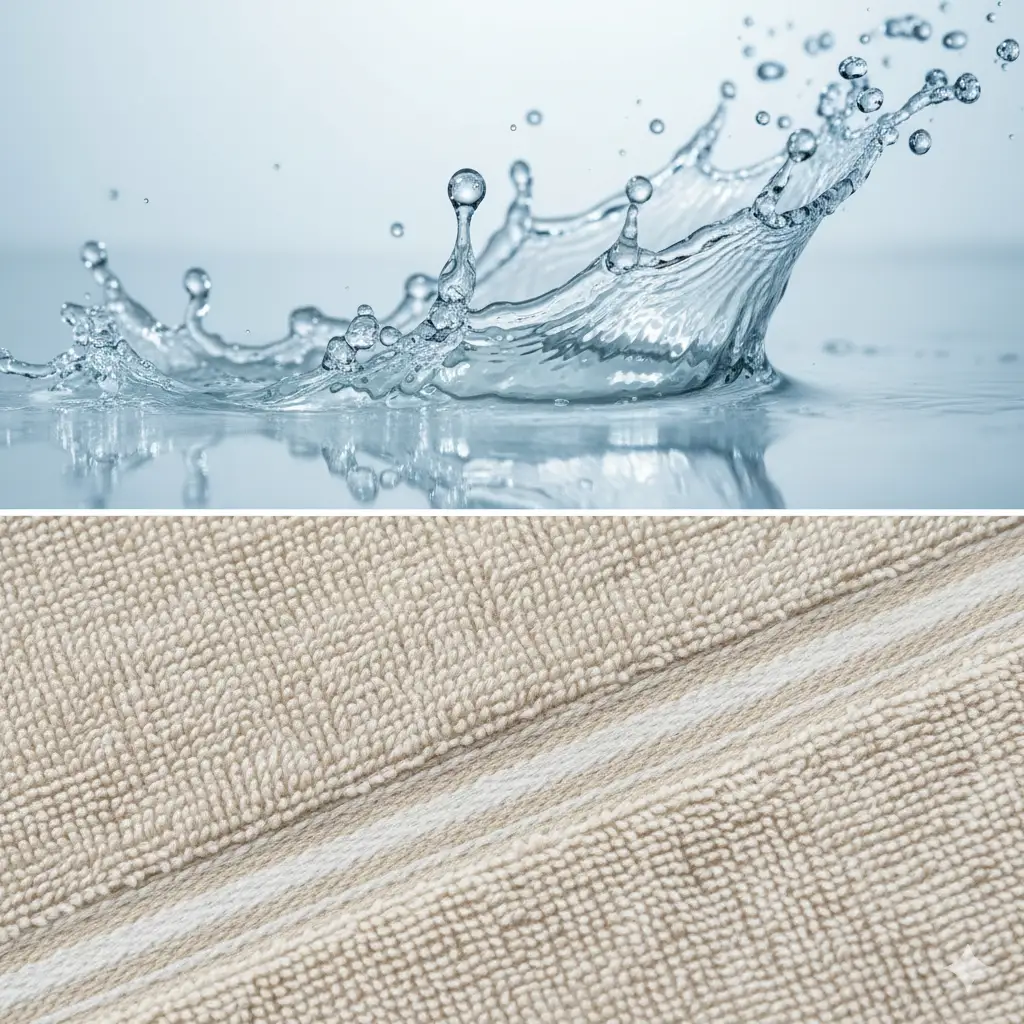
Viscose absorbs a large amount of moisture, which makes the fabric feel heavier when wet.
Relatable examples:
- Shirts sticking to the skin in warm weather.
- Tops showing dark, wet patches quickly.
- Rugs flattening and matting in humid conditions.
This moisture retention reduces comfort and makes viscose less suitable for active or hot environments.
Commonly Used in Fast Fashion, Leading to Short Lifespan
Viscose is inexpensive to produce at scale, which makes it attractive to fast fashion brands. It allows companies to create soft, drapey garments quickly and cheaply.
How this affects durability:
- Lower quality viscose is prioritized over longevity.
- Garments are designed for short term wear, not repeated use.
The result is:
- Faster disposal.
- More frequent replacements.
- Increased textile waste.
This is a systemic issue tied to fast fashion production models, not a failure of consumers choosing viscose clothing.
Is Viscose Harmful to Skin or Health? (What Science Says)
Chemical Residues in Final Fabric (Are They a Risk?)
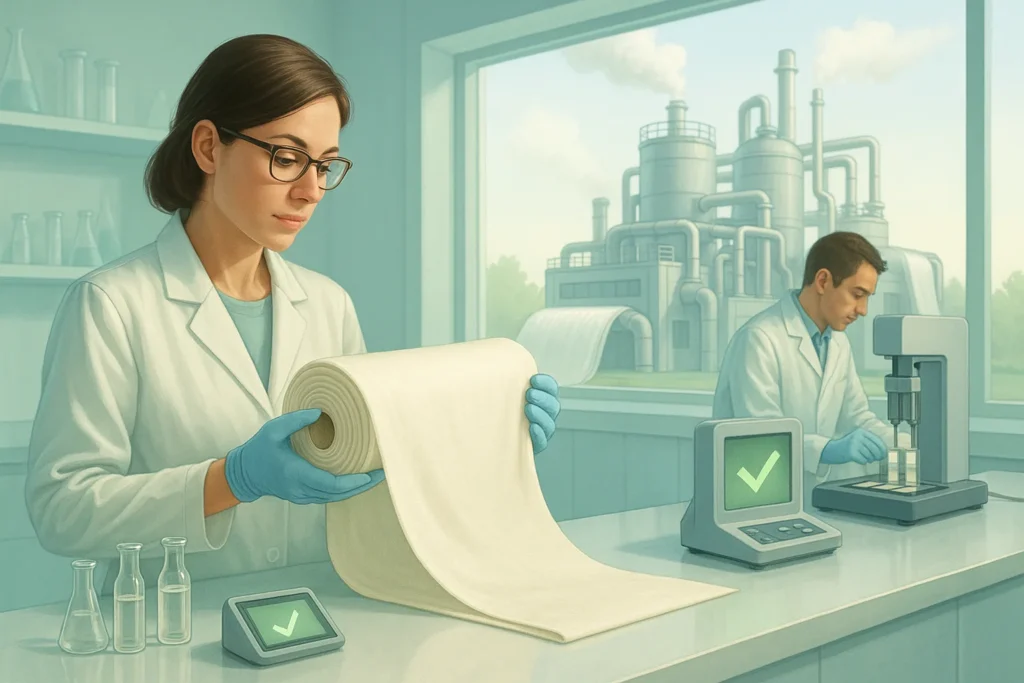
In finished viscose fabric, most processing chemicals are washed out before the material reaches consumers.
Scientific testing shows that residual chemical levels in properly manufactured viscose are typically very low and not considered a direct health risk for wearers.
The primary health concern lies in the production stage, where workers may be exposed to chemicals like carbon disulfide if safety controls are inadequate.
For consumers, toxic exposure is not the main issue.
Certifications such as OEKO-TEX® Standard 100 exist to verify that textiles meet strict limits for harmful substances, providing an additional layer of assurance for end users.
Safety for Sensitive Skin & Babies
Viscose can irritate skin in certain situations, especially when the fabric is:
- Dyed with unrefined or low quality colorants
- Treated with heavy finishing chemicals
- Produced cheaply with minimal quality control
Newborn and infant skin is thinner and more reactive, making it more sensitive to these factors.
Practical guidance:
- Choose viscose products certified to OEKO-TEX standards
- Wash garments before first wear to remove surface residues
- Avoid very low-cost viscose items for babies and sensitive skin
Higher quality viscose is generally well tolerated, but quality and finishing matter.
Why “Bamboo Viscose” Often Misleads Consumers
Bamboo as a plant is fast growing and renewable. However, turning bamboo into viscose requires the same chemical intensive process used for wood pulp.
This means:
- The environmental and chemical profile is similar to regular viscose
- The original sustainability of bamboo does not carry through to the final fabric
A simple way to tell:
If a fabric feels silky, smooth, and drapey, it is almost always chemically processed bamboo viscose, not a naturally extracted bamboo fiber.
This distinction is often blurred in marketing, leading to green washing and consumer confusion.
Environmental Concerns (The Biggest Reason People Avoid Viscose)
Carbon Disulfide & Other Hazardous Chemicals
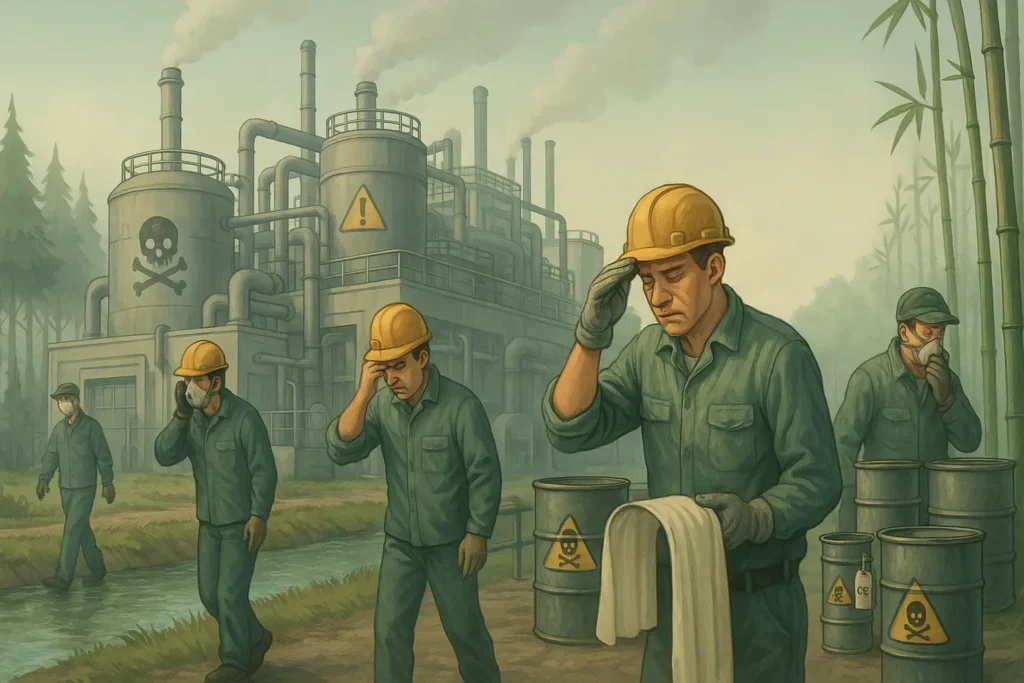
Carbon disulfide is a key chemical used to dissolve wood pulp during viscose production.
Long term exposure has been linked in industry studies to nerve damage, headaches, mood changes, and cardiovascular issues among factory workers when safety controls are weak.
The concern is not abstract chemistry but human impact.
In regions where labor protections and monitoring are limited, workers face higher health risks due to prolonged chemical exposure.
These risks occur during manufacturing, not during everyday use of the fabric.
Water Pollution From Standard Viscose Factories
Viscose manufacturing generates wastewater containing chemical residues, acidic byproducts, and organic waste from dissolved cellulose.
When this wastewater is not fully treated:
- Rivers and local water sources become contaminated
- Aquatic life is damaged
- Communities downstream are affected
This has made viscose production a documented contributor to industrial water pollution in several manufacturing regions.
The issue varies widely by factory, depending on wastewater treatment standards and enforcement.
Why “Eco-Friendly Bamboo Viscose” Is Often Green washing
Truly eco-friendly cellulose fibers are those produced in closed-loop systems, such as lyocell and, to a lesser extent, modal. These systems recycle solvents and minimize emissions and water discharge.
Standard viscose is typically made using open-loop processes, where chemicals are not fully captured or reused. This results in higher emissions and greater environmental impact.
As a result, many viscose products, including bamboo viscose are less sustainable than marketing suggests, especially when compared to fibers designed with environmental controls built into the production process.
When Viscose Is Not Bad (Balanced Perspective)
When Viscose Performs Well
Viscose performs best when its natural strengths are used appropriately. It has excellent drape, a soft hand feel, and a silk-like appearance that works well in certain garments.
It is a practical choice for:
- Flowing dresses that are not washed frequently
- Lightweight tops worn in low friction conditions
- Linings where softness and smoothness matter more than durability
In these uses, viscose offers comfort and appearance benefits without being heavily stressed.
Fabrics Where Viscose Is a Good Choice
Viscose works well when used as part of a design rather than as a durability focused material.
Good use cases include:
- Blended fabrics, where another fiber provides strength
- Printed textiles, as viscose holds color well
- Fashion garments intended for occasional wear
The trade-off is clear: you gain softness and visual appeal but sacrifice long term durability and easy care.
When Blended Viscose Is a Practical Option
Blending viscose with other fibers offsets many of its weaknesses.
- Polyester–viscose blends are stronger, resist shrinking, and tolerate machine washing better.
- Cotton–viscose blends improve softness and drape while maintaining better breathability than pure viscose.
Practical recommendations:
- Choose blends for everyday wear instead of 100% viscose
- Look for higher fiber percentages of the stronger material
- Avoid pure viscose for items that need frequent washing
Better Alternatives to Viscose (If You Want the Same Feel)
Lyocell/Tencel Soft, Strong & Eco-Friendly
Lyocell (often sold under the Tencel™ name) is made using a closed-loop system, meaning the solvent used to process the fiber is almost entirely captured and reused instead of released into the environment.
This results in:
- Significantly lower chemical emissions
- Reduced water pollution
- Stronger fibers that maintain integrity when wet
Lyocell offers a soft, smooth feel similar to viscose but with better durability and a much smaller environmental footprint.
Modal More Durable Than Viscose
Modal is a modified form of regenerated cellulose designed to be stronger and more stable than standard viscose.
Key advantages include:
- Higher resistance to shrinking
- Better shape retention
- Softness that remains after repeated washing
Modal provides comfort similar to viscose while performing more reliably in everyday wear.
Cotton Reliable, Breathable & Affordable
Cotton is widely trusted because it combines natural breathability, good strength, and straightforward care.
It works especially well for:
- Daily clothing that needs frequent washing
- Warm weather garments
- Bedding and items in direct contact with skin
While cotton lacks the fluid drape of viscose, it offers consistency and longevity.
Polyester Blends Durable With Lower Maintenance
Polyester blends resist shrinking, wrinkling, and deformation, making them easier to care for than pure viscose.
They outperform viscose in:
- Work wear and uniforms
- Travel clothing
- Items exposed to repeated washing
Blending polyester with natural fibers balances durability with comfort, reducing many of viscose’s practical drawbacks.
FAQs
Is Viscose Toxic?
Viscose fabric itself is not considered toxic to wear.
Most of the chemicals used during production are removed before the final product reaches consumers. Health concerns are mainly associated with manufacturing exposure, not with everyday use of the fabric.
Why Does Viscose Shrink So Much?
Viscose fibers weaken and contract when exposed to water. Because the fabric loses strength while wet, it is more likely to shrink, stretch, or permanently deform during washing, especially if machine-washed.
Is Viscose Bad for Hot Weather?
Viscose can feel cool in lightweight, loose weaves, but it often performs poorly in heat.
It absorbs sweat, becomes heavy, and sticks to the skin, making it less comfortable in hot or humid conditions compared to breathable natural fibers.
Is Bamboo Viscose Better Than Regular Viscose?
No. Bamboo viscose goes through the same chemical intensive process as regular viscose.
Despite the sustainable image of bamboo as a plant, the final fabric is chemically identical to standard viscose and does not offer meaningful environmental advantages.
Final Verdict Should You Avoid Viscose?
Whether viscose is a good or bad choice depends on several practical factors:
Your budget, how much care you are willing to provide, the intended use of the garment, your comfort preferences, and your level of environmental concern.
Viscose can be suitable for occasional, low stress wear where softness and drape matter more than durability.
However, for everyday clothing, frequent washing, or sustainability focused choices, its weaknesses become hard to ignore.
Final takeaway: Viscose isn’t inherently bad, it’s simply a fabric that performs best when used sparingly, intentionally, and with clear trade-offs in mind.