Usama Ayub

Usama Ayub is the founder of PlasticSpec and a polymer manufacturing engineer with eight years of hands-on industrial experience in PET, PA6, and PA66 fiber and filament yarn production. He writes material property and selection guides for Delrin, Nylon, PEEK, PTFE, UHMW, Polycarbonate, and ABS.

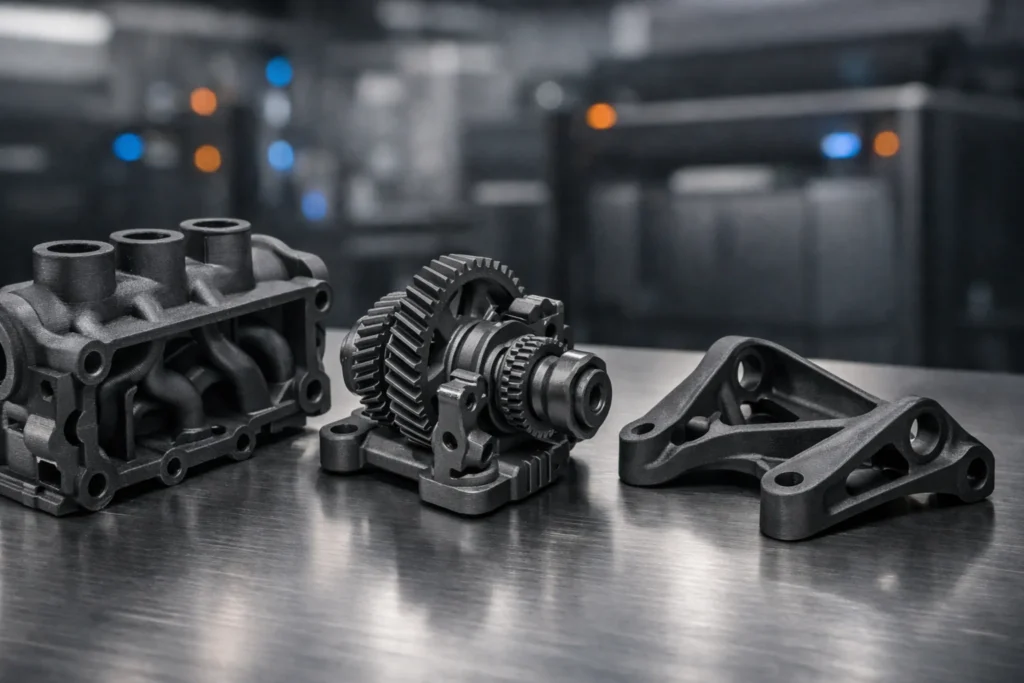
Professional MJF Nylon production parts on an industrial workbench, showcasing PA12 material texture, complex manifold geometries, and vapor-smoothed finishes for engineering applications

MJF Nylon

MJF Nylon Engineering Guide (2026): Performance, Costs, and Production Design MJF Nylon is the primary choice for 2026 production cycles where engineers require thousands of functional components without the lead times of traditional CNC machining. In current manufacturing environments, Multi Jet Fusion systems deliver repeatable tolerances, high-density nesting, and stable unit economics across serial batches. The process fuses PA12
MJF Nylon Read More »

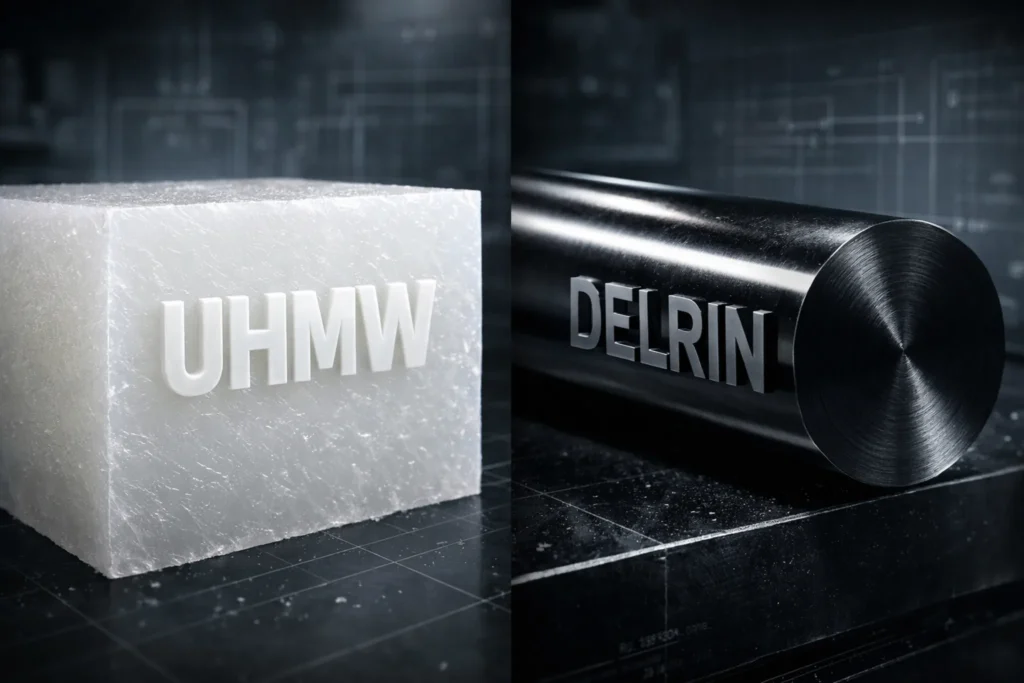
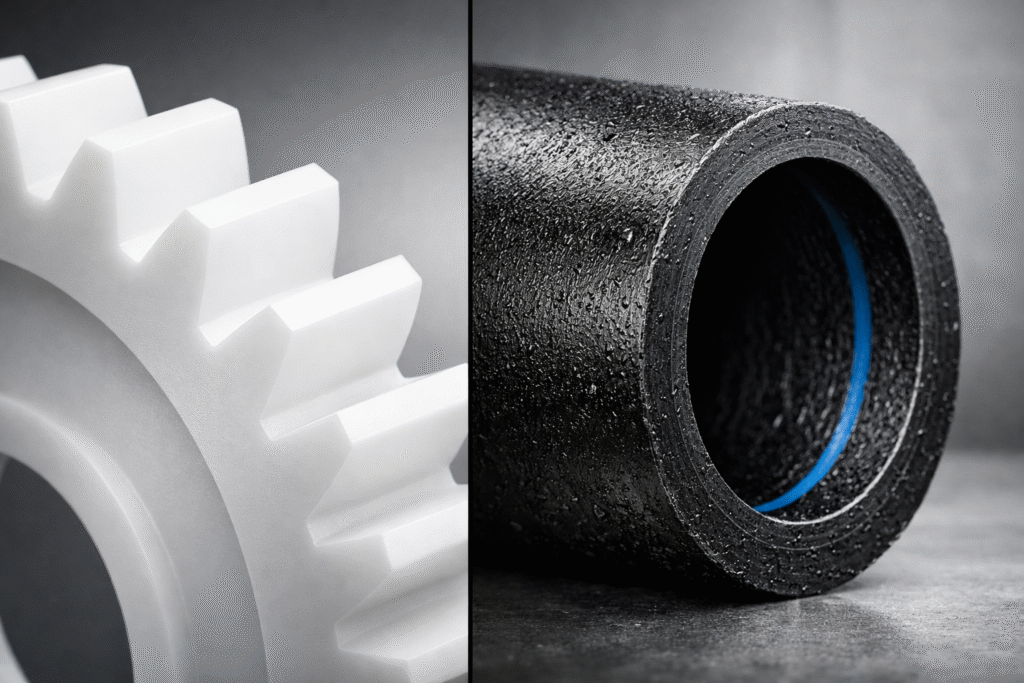
Side-by-side comparison of UHMW and Delrin industrial plastic rods showing waxy impact-resistant texture vs clean-cut precision machined finish.

UHMW vs Delrin

UHMW vs Delrin: Wear, Strength, Machining & Material Selection Guide Choosing between UHMW-PE and Delrin® (POM-H) depends on what the part actually needs to do. UHMW-PE is usually investigated first when the dominant requirements are abrasion resistance, sliding wear, impact resistance, very low water absorption and low-friction service. Delrin/POM-H is usually investigated first when the

UHMW vs Delrin Read More »

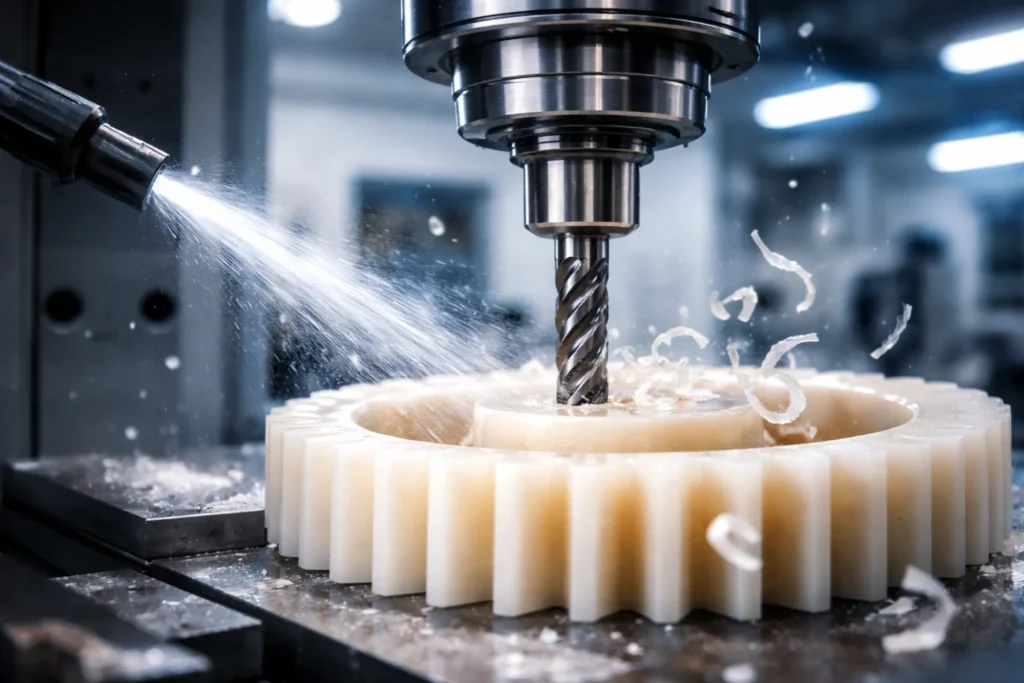
Delrin vs. Nylon

Delrin vs. Nylon: Which Engineering Plastic Should You Choose? Choose Delrin® (acetal homopolymer, POM-H) first when tight tolerances must hold as humidity changes. Choose Nylon 6/6 first when you need the ductility, flexibility, or reinforced and heat stabilized grades that unfilled acetal doesn’t offer. Both are widely used for gears, bushings, rollers and other mechanical

Delrin vs. Nylon Read More »

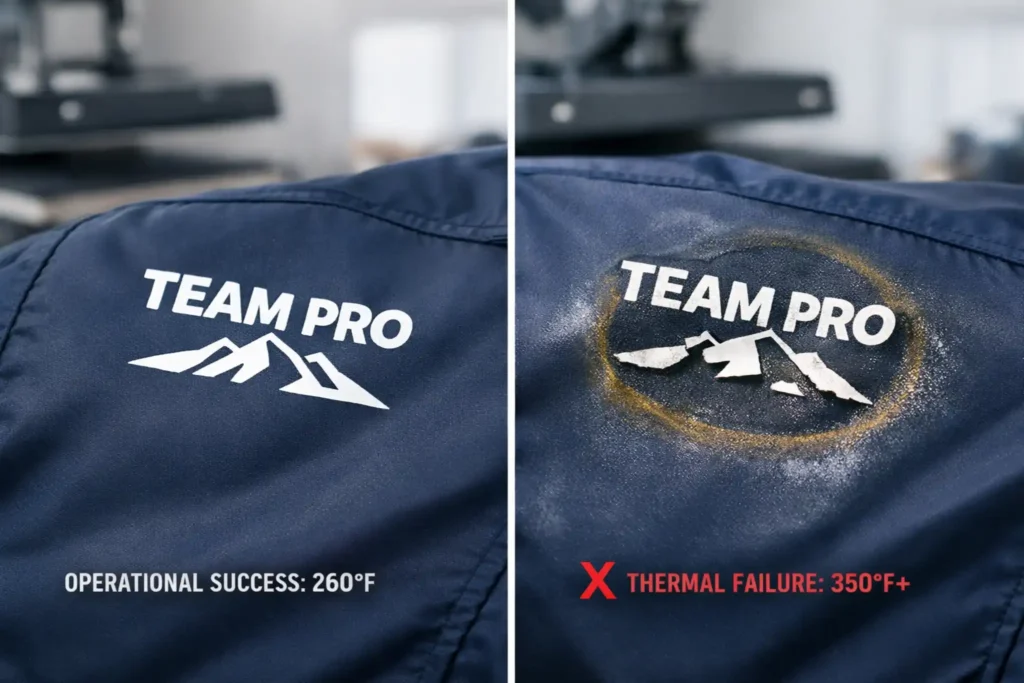
Can You Heat Press Nylon

Can You Heat Press Nylon? Safe Temperatures, Materials That Work, and When to Avoid It Heat pressing nylon is a high-risk technical process that requires a strict thermal protocol to prevent irreversible fabric scorching. Success is contingent upon utilizing low-melt adhesives and maintaining temperatures between 250°F and 280°F. This guide outlines the operational thresholds and material compatibility required to

Can You Heat Press Nylon Read More »

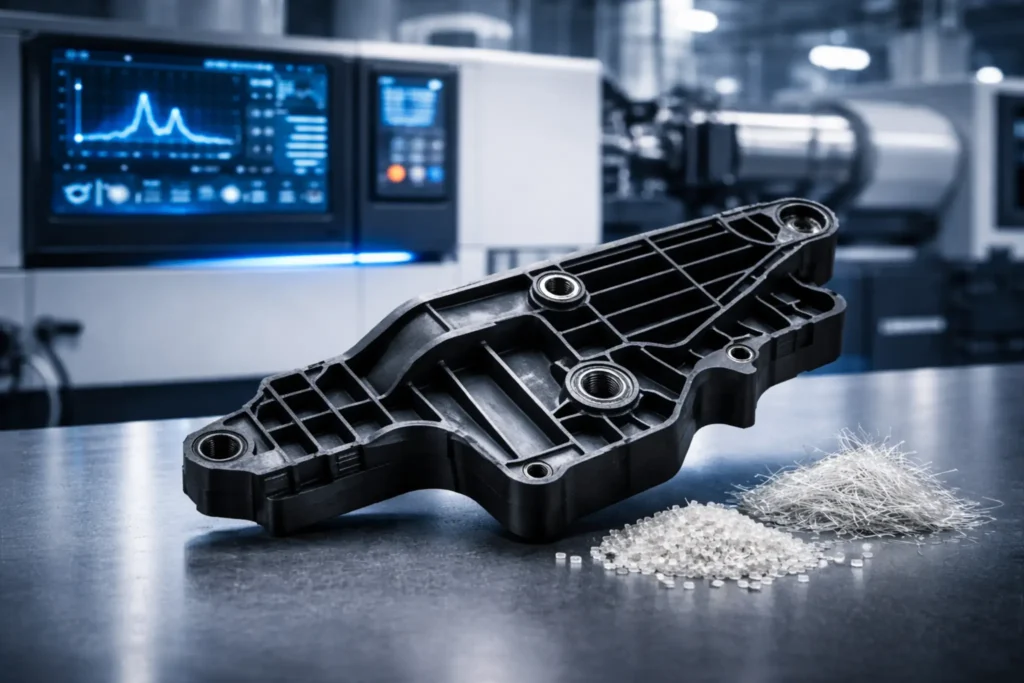
Nylon Injection Molding

Nylon Injection Molding: Process Control, Material Selection, and Real-World Production Limits Nylon injection molding is a controlled exercise in three linked realities: The only reliable way to run nylon at scale is to treat moisture content as a primary process variable. In 2026, sustainability (bio-attributed resins) and closed-loop smart sensors are no longer “nice-to-have” they

Nylon Injection Molding Read More »

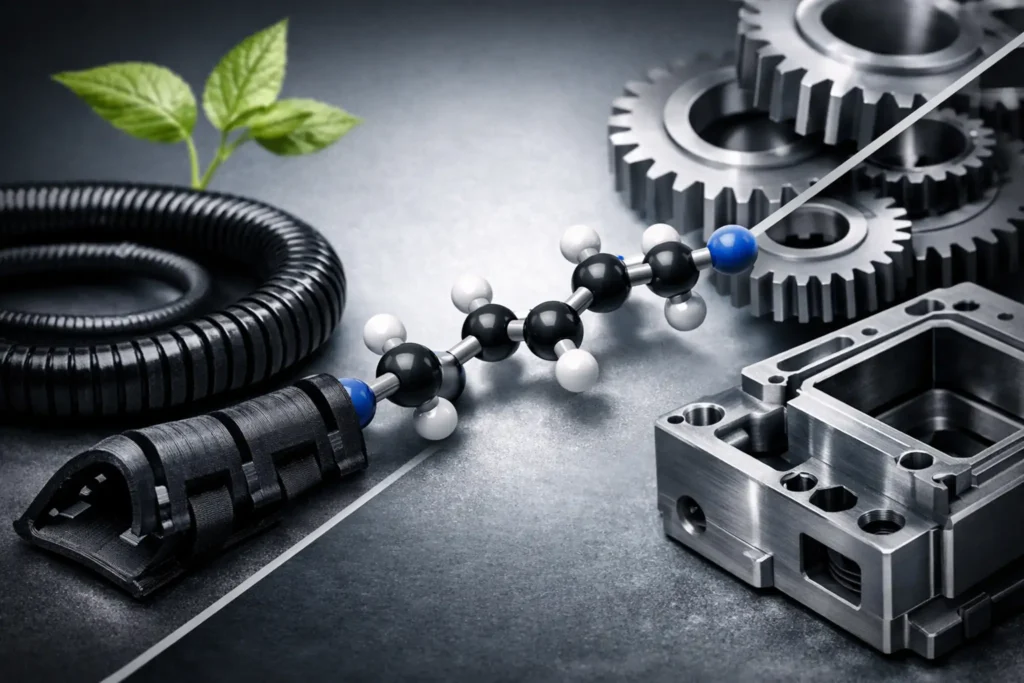
Nylon 11 vs 12

Nylon 11 vs. 12: The Engineer’s Guide to Performance, Cost, and Sustainability Executive Summary: 10-Second Decision Matrix Selecting between Nylon 11 and Nylon 12 requires balancing mechanical ductility against long-term dimensional stability. While both polyamides offer excellent chemical resistance, their molecular structures dictate drastically different behaviors in high-moisture environments and sub-zero impact scenarios. Property Nylon 11 (PA11) Nylon 12

Nylon 11 vs 12 Read More »

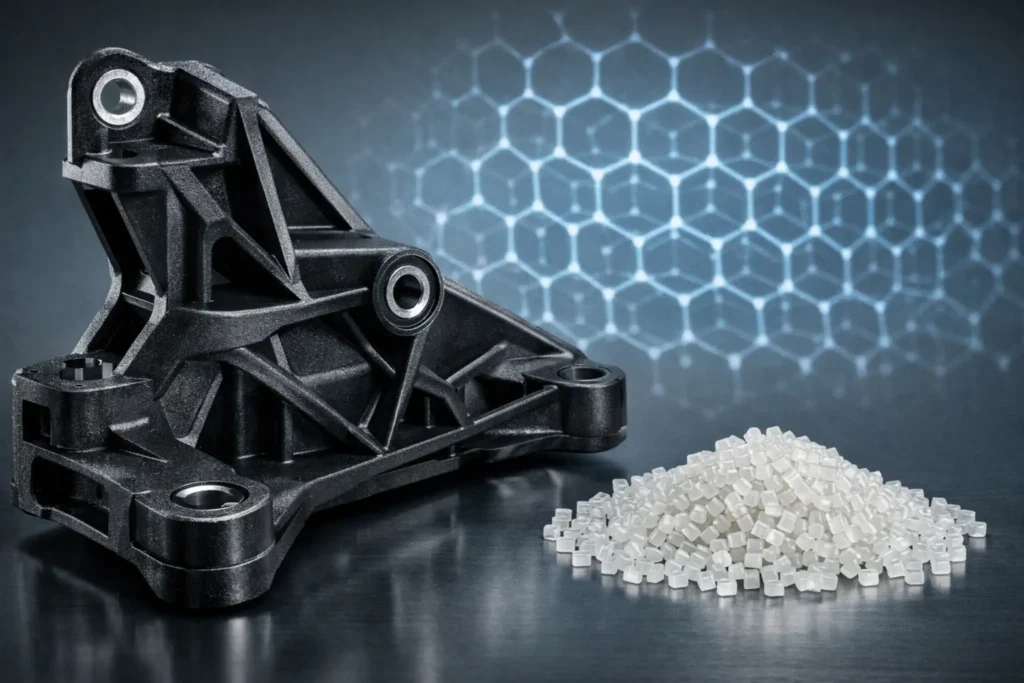
Nylon 6 6

Nylon 6 6 (PA66): Properties, Performance Limits, and Use Cases Nylon 6 6 (PA66) delivers the thermal stability and mechanical rigidity required for components operating under high-load and elevated-temperature environments. This high-performance thermoplastic provides superior abrasion resistance and stiffness compared to PA6 or commodity resins. Engineers specify PA66 for structural automotive, industrial, and electrical applications where

Nylon 6 6 Read More »