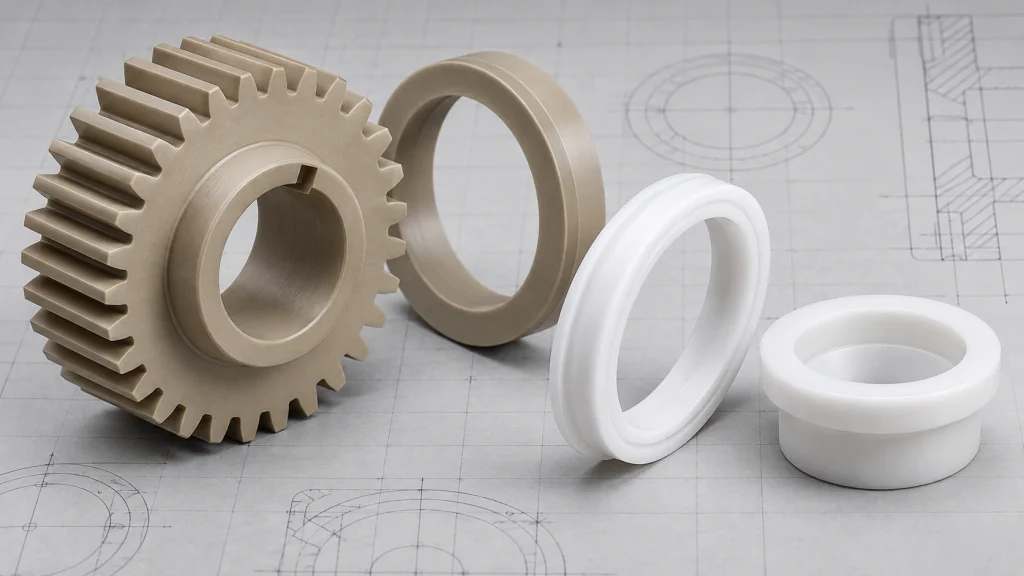
Engineering Plastics

Engineering plastics guides for machinists, engineers and product designers. Machining parameters, material property comparisons, and selection data for Delrin, Nylon, PEEK, PTFE, UHMW, Polycarbonate, ABS, and glass-filled nylon.

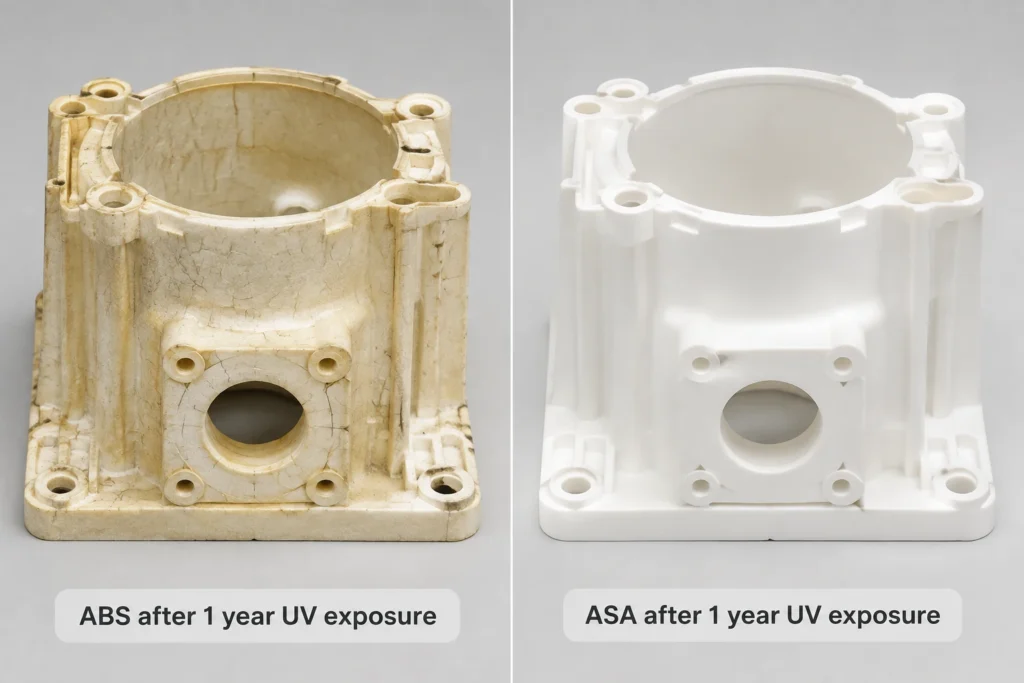
ABS vs ASA plastic after one year of UV exposure

ASA vs ABS

ASA vs ABS: Material Properties, UV Resistance, and When to Use Each ASA and ABS share a similar backbone chemistry and nearly identical processing behavior, but one critical difference separates them: UV and weathering resistance. Choose ABS for indoor applications, consumer electronics, and structural prototypes where cost efficiency and initial impact strength are paramount. Choose […]

ASA vs ABS Read More »

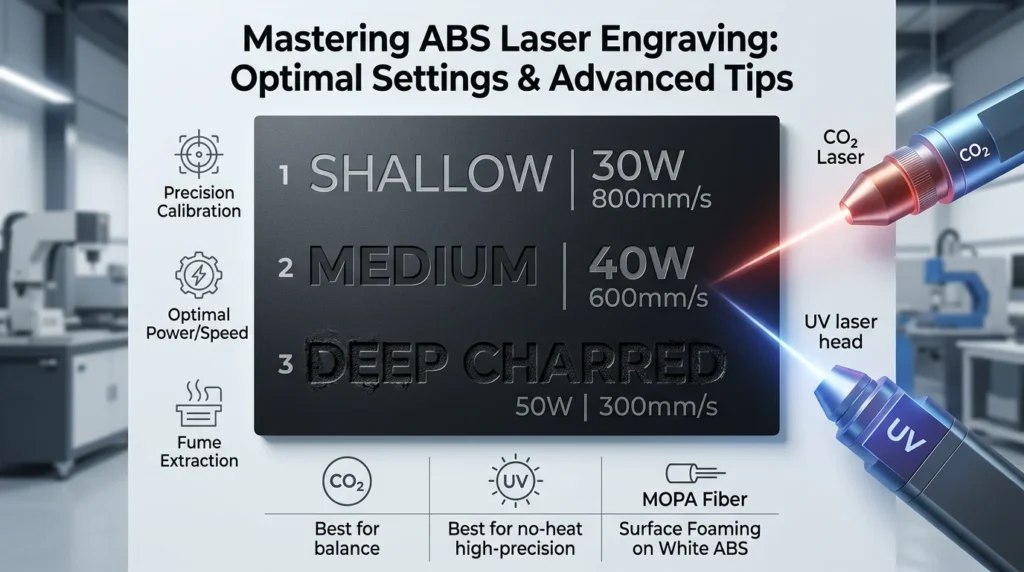
ABS laser engraving settings for shallow, medium, and deep marks using CO₂, UV, and MOPA fiber lasers.

Laser Engraving ABS Plastic

Laser Engraving ABS Plastic: Material Properties, Optimal Settings, and Trade-Offs ABS is a versatile engineering plastic for laser engraving it produces clean, contrast-rich marks with minimal residue compared to cutting the same material. However, ABS has specific engraving requirements: incorrect settings cause charring, surface stress cracking, or toxic fume output. This guide covers the material

Laser Engraving ABS Plastic Read More »

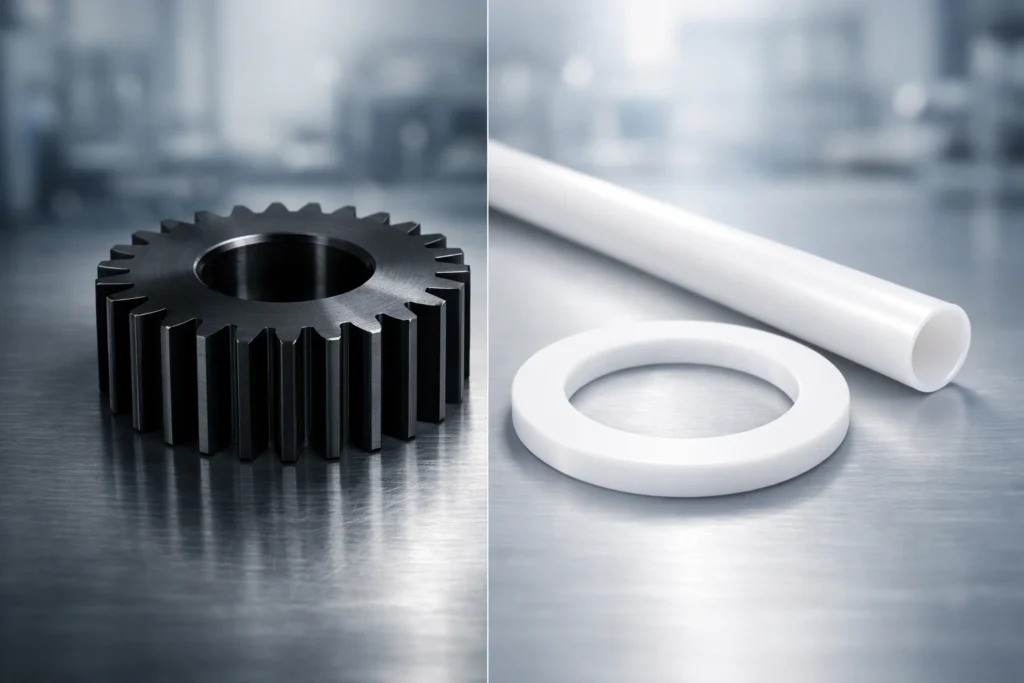
Delrin vs Teflon

Delrin vs Teflon: Friction, Strength, Temperature, and Machining Differences Quick Answer: When to Choose Delrin vs Teflon Choose Delrin (POM) if your application requires mechanical strength, rigidity, and precision. It is the industry standard for gears, high-load bearings, and parts that must hold tight tolerances. Choose Teflon (PTFE) if you need extreme heat resistance or chemical inertness. It is the superior choice

Delrin vs Teflon Read More »

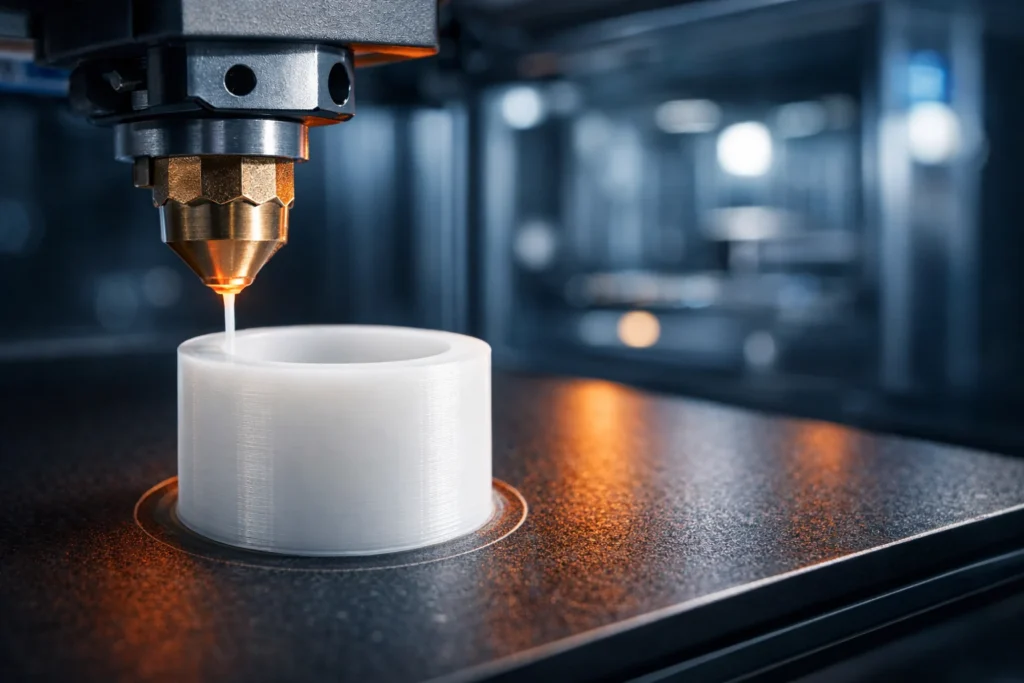
3D printer nozzle extruding a white Delrin POM sliding bushing

Delrin 3D Printing

Delrin 3D Printing: Feasibility, Challenges, and Engineering Alternatives Can You 3D Print Delrin (POM)? Yes, but it is extremely challenging. Delrin can be FDM 3D printed using an all-metal hotend (210°C–225°C), a high-temperature bed (120°C–150°C), an actively heated chamber (60°C–80°C), and custom cellulose/PVA bed adhesion. Never exceed 230°C to avoid toxic formaldehyde gas release. Critical

Delrin 3D Printing Read More »

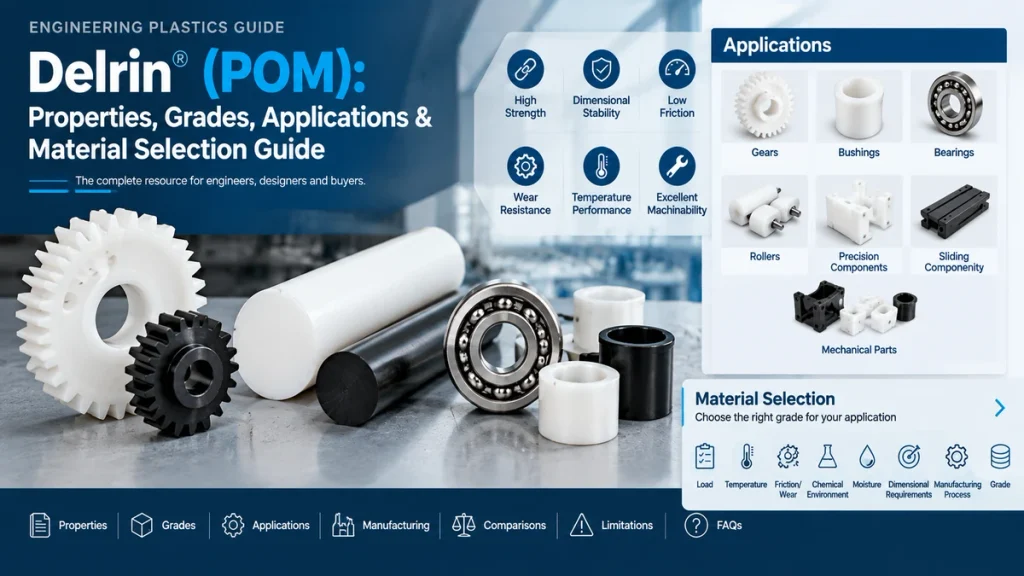
Delrin

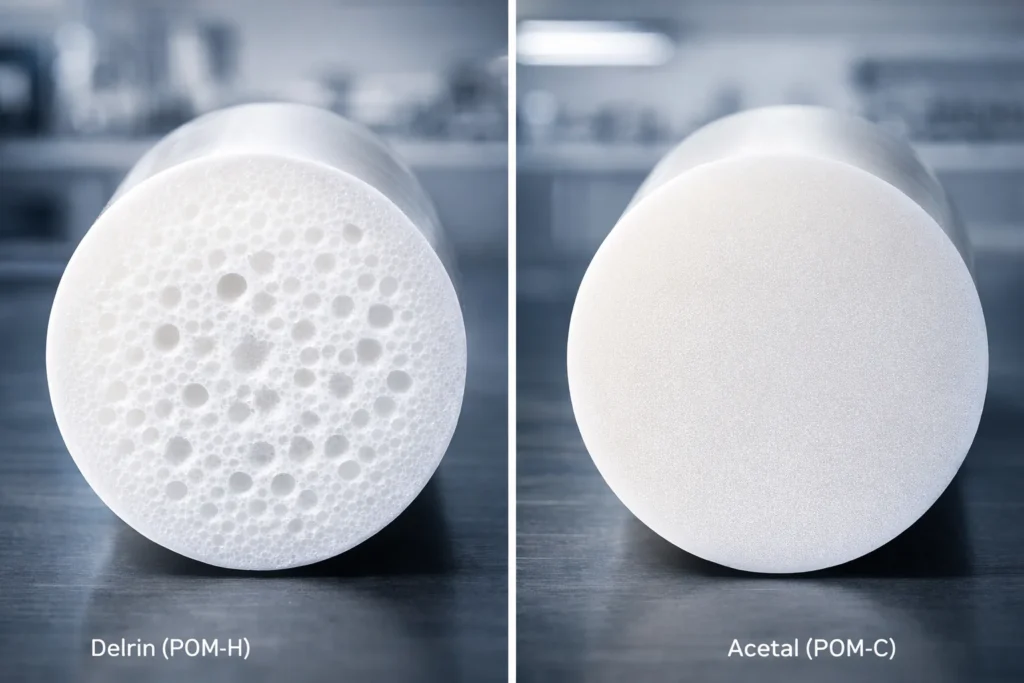
Delrin (POM): Properties, Strength, Temperature, and Engineering Uses What Is Delrin (POM)? Delrin is the brand name for Polyoxymethylene (POM), specifically the acetal homopolymer version originally developed by DuPont. Often referred to as “plastic steel,” it is a high-performance, semi-crystalline engineering thermoplastic engineered to replace metal in precision mechanical applications. To understand why engineers prioritize Delrin (POM) over other polymers,

Delrin Read More »

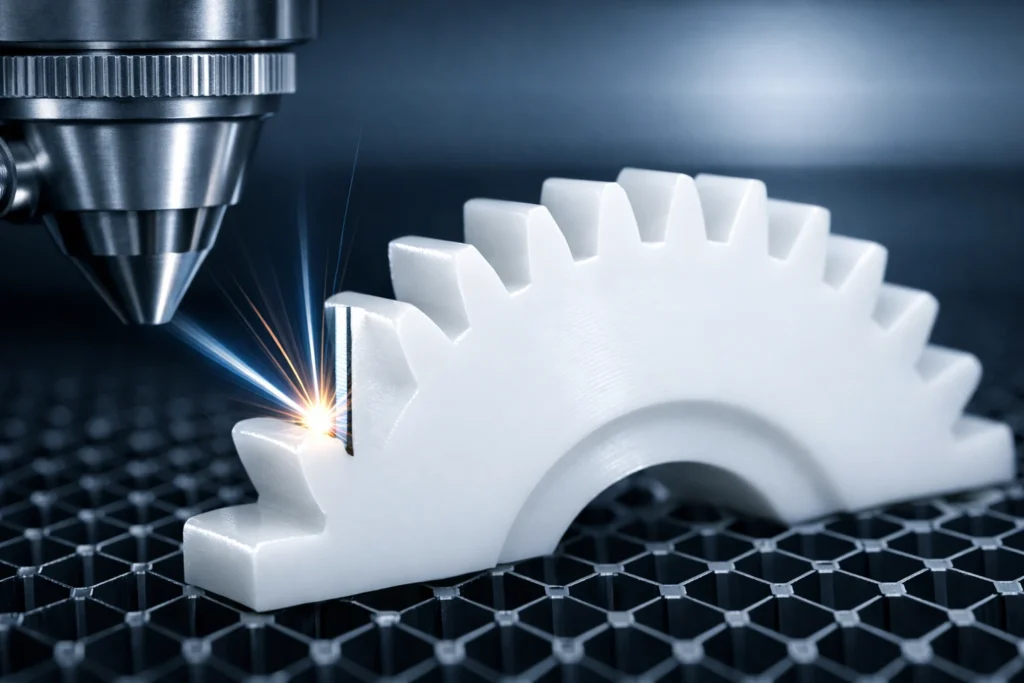
High-precision white Delrin gear being laser cut on a CO2 machine showing a polished, char-free edge.

Laser Cut Delrin

Laser Cut Delrin: Feasibility, Settings, Safety, and Best Practices Can Delrin Be Laser Cut? Yes, Delrin (Acetal/POM) is an optimal engineering plastic for CO2 laser cutting. It sublimates (vaporizes) cleanly, leaving a high-gloss, burr-free edge. However, the process releases Formaldehyde gas, making high-volume external ventilation non-negotiable for safety. Why Engineers Choose Laser Cutting for Delrin What Happens When You

Laser Cut Delrin Read More »

Machined white Delrin acetal engineering plastic components

Machining Delrin

Machining Delrin: Feeds, Speeds, Tooling & Tolerance Guide (2026) Delrin (Acetal Homopolymer) is the industry standard for high precision plastic machining due to its superior dimensional stability, low friction, and excellent chip formation. Unlike softer plastics (PTFE or UHMW), Delrin cuts cleanly without “gumming” when managed correctly. Quick Reference: Machining Snapshot Parameter Metric Target Value Imperial Target Value Surface

Machining Delrin Read More »