Usama Ayub

Usama is the founder of PlasticSpec and a materials researcher specialising in engineering thermoplastics. He publishes machining parameters, material property data, and selection guides for Delrin, Nylon, PEEK, PTFE, UHMW, Polycarbonate, and ABS.

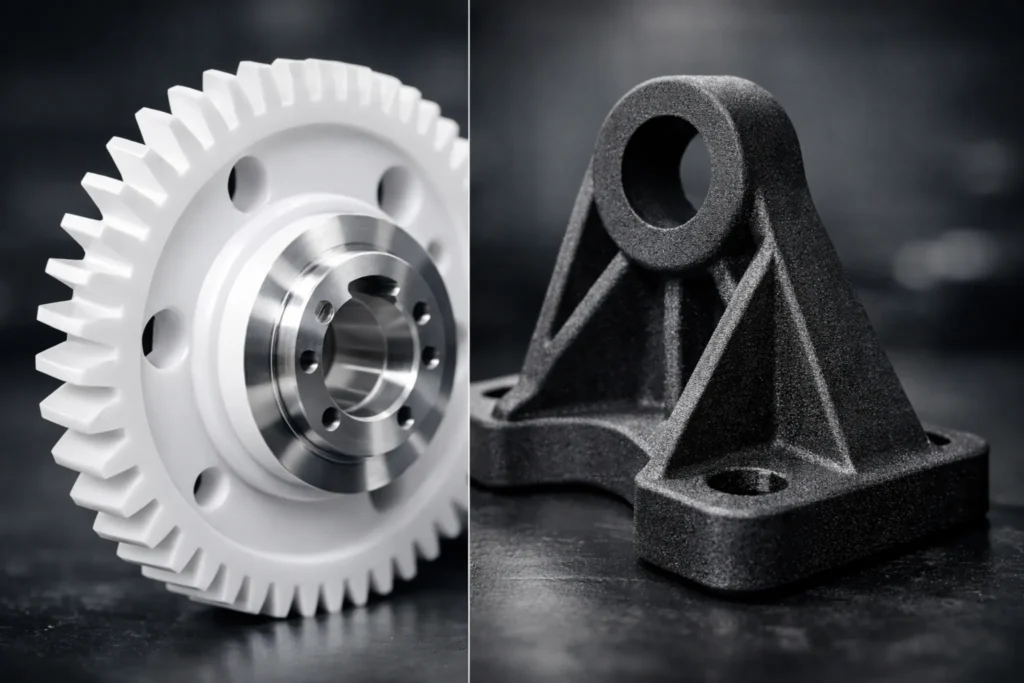
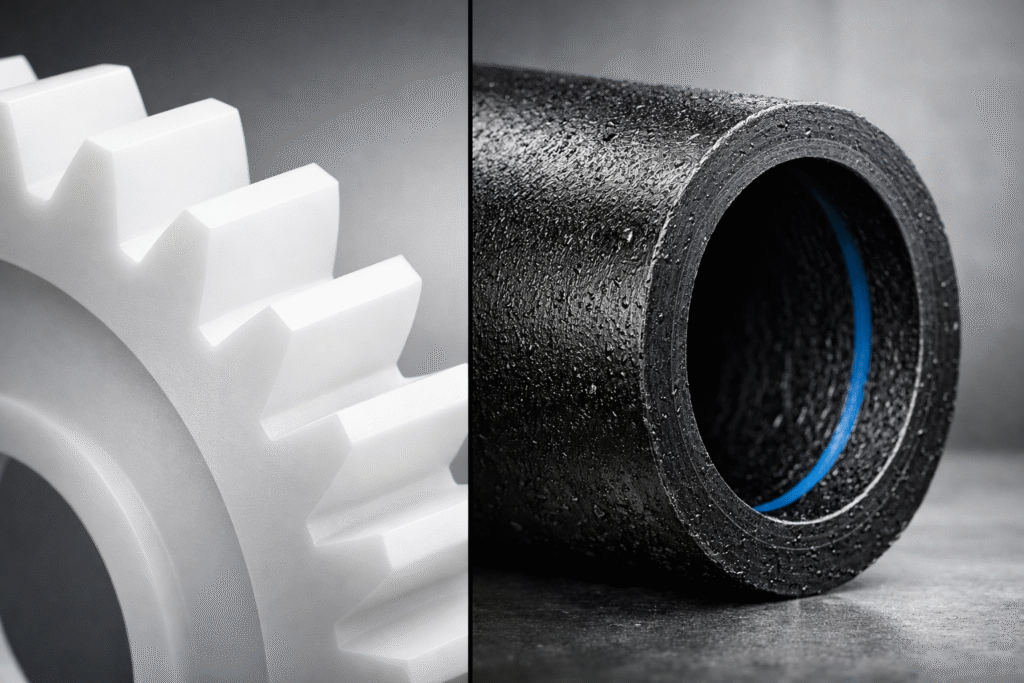
Comparison of a precision-machined Delrin gear and a durable HDPE pipe section highlighting differences in engineering tolerances and material texture

HDPE vs. Delrin

HDPE vs. Delrin (Acetal): Engineering Guide for Performance, Cost, and Sustainability Selecting the ideal thermoplastic for industrial applications requires a calculated trade-off between mechanical precision and environmental resilience. High-Density Polyethylene (HDPE) is a versatile, cost-effective polyolefin prized for its exceptional chemical immunity and high-impact toughness, making it the standard for fluid handling and heavy-duty storage. Conversely, Delrin, […]
HDPE vs. Delrin Read More »

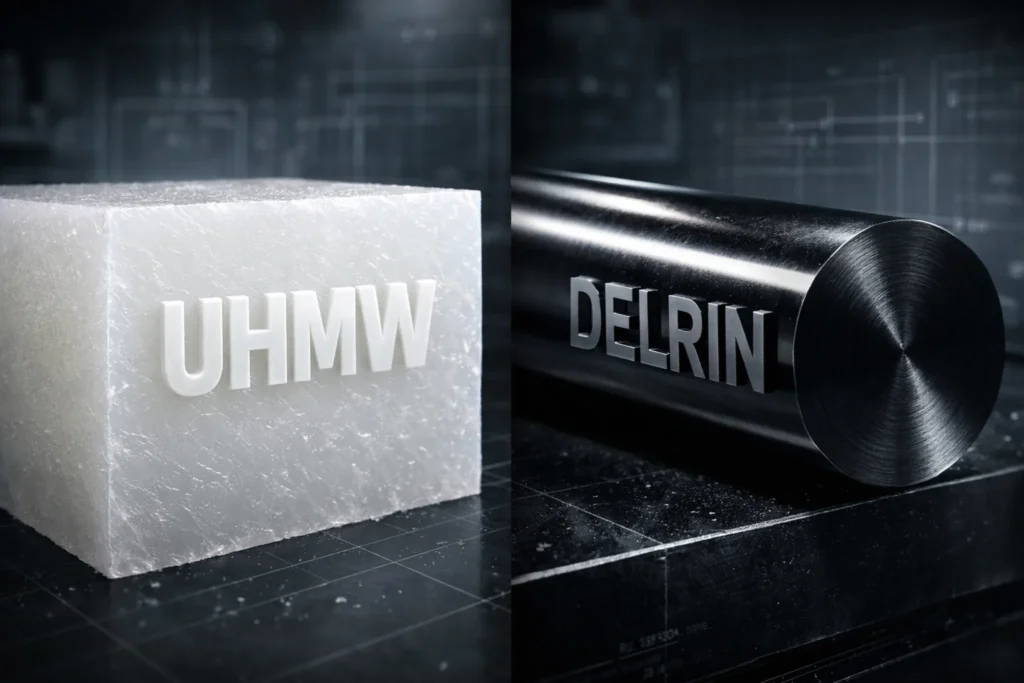
Side-by-side comparison of UHMW and Delrin industrial plastic rods showing waxy impact-resistant texture vs clean-cut precision machined finish.

UHMW vs Delrin

UHMW vs Delrin: How to Choose the Right Plastic for Wear, Tolerance, and Load Conditions UHMW vs Delrin is a decision that shapes wear life, tolerance control, and load performance in real applications. Engineers and buyers must evaluate UHMW vs Delrin when durability competes with precision at the design table. UHMW survives abrasion, impact, and sliding abuse.

UHMW vs Delrin Read More »

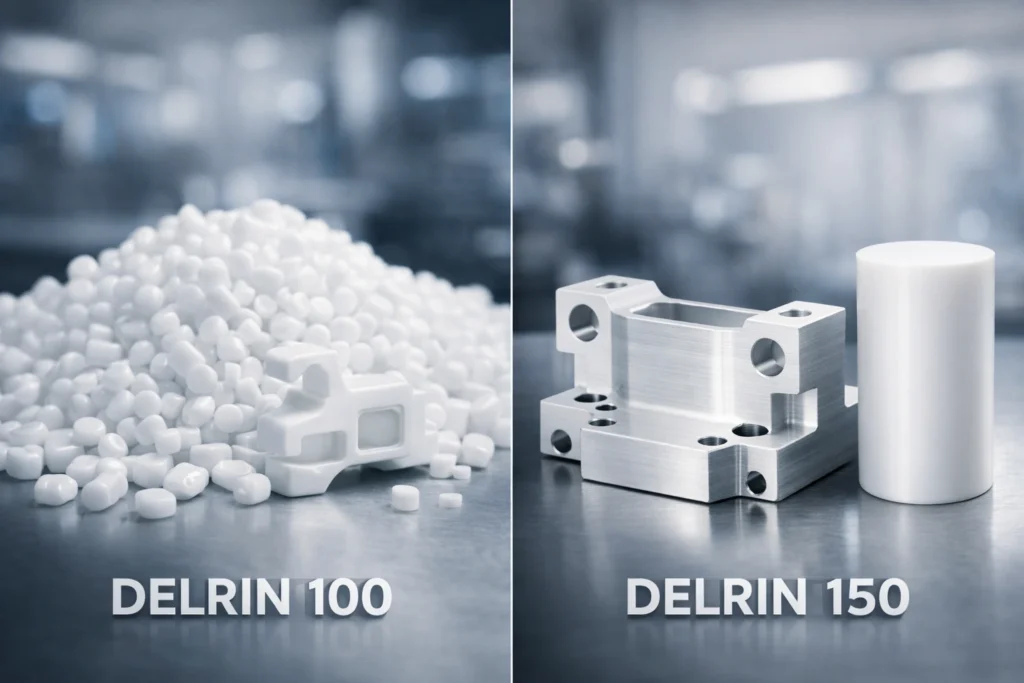
Delrin 100 vs. 150

Delrin 100 vs. 150: The Engineer’s Guide to Acetal Homopolymer Selection Define your manufacturing process before selecting a resin. Delrin 100 vs 150 is not a cosmetic comparison it is a critical processing decision that dictates part quality, tolerances, and production efficiency. These two acetal homopolymers share a chemical backbone but serve different realities on the shop

Delrin 100 vs. 150 Read More »

Delrin vs. Nylon

Delrin vs. Nylon: The Engineer’s Guide to Choosing the Right Plastic Selecting between Delrin vs Nylon often dictates the thin margin between high-precision success and catastrophic field failure. While both engineering polymers offer durability, choosing the wrong material for high-humidity or high-impact environments leads to environmental swelling or fatigue cracks. This guide provides the technical selection criteria

Delrin vs. Nylon Read More »

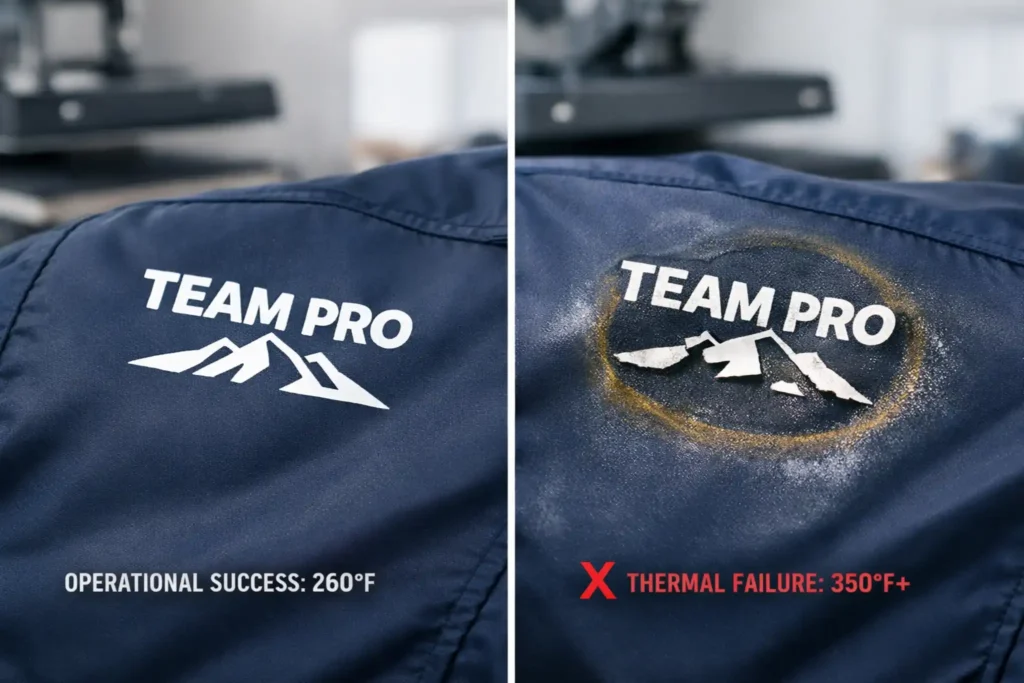
Can You Heat Press Nylon

Can You Heat Press Nylon? Safe Temperatures, Materials That Work, and When to Avoid It Heat pressing nylon is a high-risk technical process that requires a strict thermal protocol to prevent irreversible fabric scorching. Success is contingent upon utilizing low-melt adhesives and maintaining temperatures between 250°F and 280°F. This guide outlines the operational thresholds and material compatibility required to

Can You Heat Press Nylon Read More »

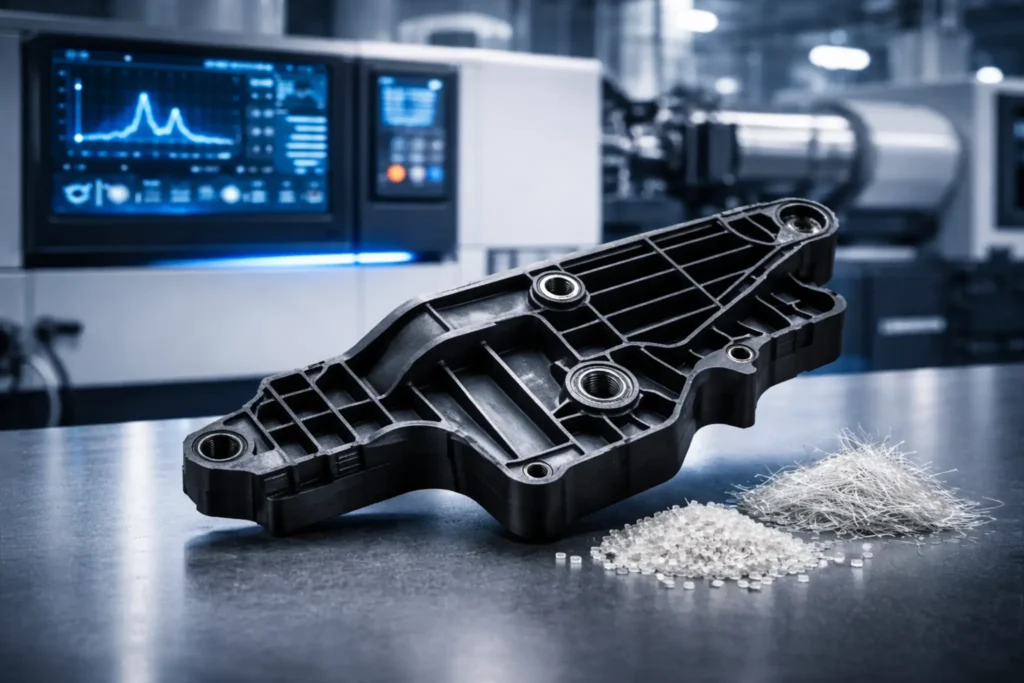
Nylon Injection Molding

Nylon Injection Molding: Process Control, Material Selection, and Real-World Production Limits Nylon injection molding is a controlled exercise in three linked realities: The only reliable way to run nylon at scale is to treat moisture content as a primary process variable. In 2026, sustainability (bio-attributed resins) and closed-loop smart sensors are no longer “nice-to-have” they

Nylon Injection Molding Read More »

Nylon 11 vs 12

Nylon 11 vs. 12: The Engineer’s Guide to Performance, Cost, and Sustainability Executive Summary: 10-Second Decision Matrix Selecting between Nylon 11 and Nylon 12 requires balancing mechanical ductility against long-term dimensional stability. While both polyamides offer excellent chemical resistance, their molecular structures dictate drastically different behaviors in high-moisture environments and sub-zero impact scenarios. Property Nylon 11 (PA11) Nylon 12

Nylon 11 vs 12 Read More »

Nylon 6 6

Nylon 6 6 (PA66): Properties, Performance Limits, and Use Cases Nylon 6 6 (PA66) delivers the thermal stability and mechanical rigidity required for components operating under high-load and elevated-temperature environments. This high-performance thermoplastic provides superior abrasion resistance and stiffness compared to PA6 or commodity resins. Engineers specify PA66 for structural automotive, industrial, and electrical applications where

Nylon 6 6 Read More »

Nylon 11

Nylon 11: Properties, Uses, Price, and How It Compares to Nylon 12 Quick Answer — What Is Nylon 11 and Why Is It Used? Nylon 11 (Polyamide 11) is a 100% bio-based engineering plastic derived from renewable castor oil, specifically designed for high-vibration and chemically aggressive environments. Engineers specify PA11 over petroleum-based alternatives because it offers

Nylon 11 Read More »