Can You Heat Press Nylon

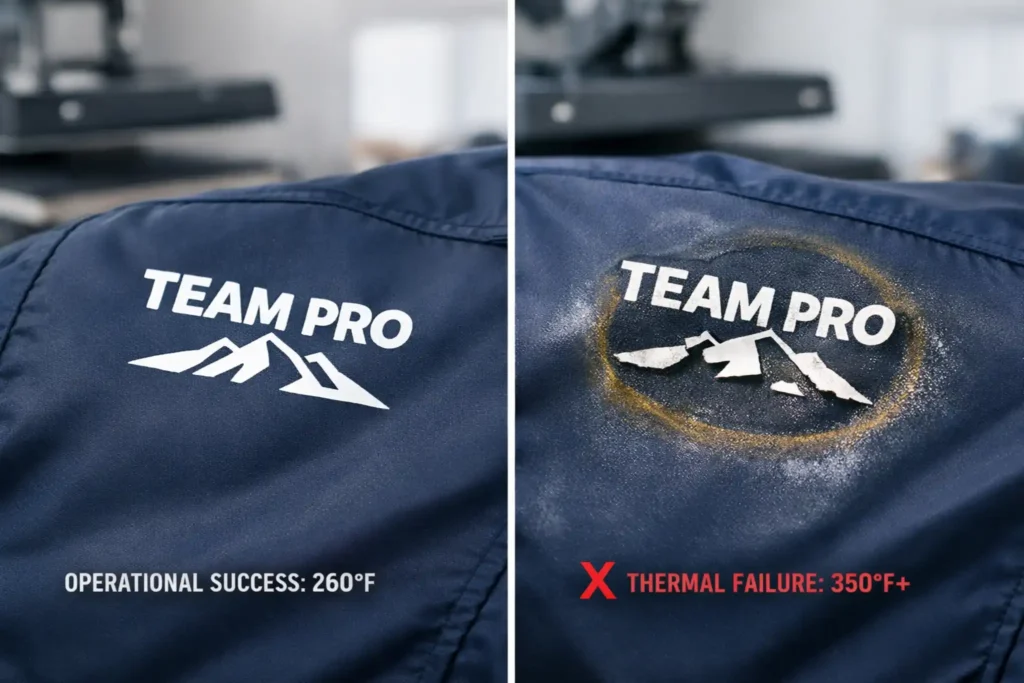
Can You Heat Press Nylon? Safe Temperatures, Materials That Work, and When to Avoid It Heat pressing nylon is a high-risk technical process that requires a strict thermal protocol to prevent irreversible fabric scorching. Success is contingent upon utilizing low-melt adhesives and maintaining temperatures between 250°F and 280°F. This guide outlines the operational thresholds and material compatibility required to […]

Can You Heat Press Nylon Read More »

Nylon Injection Molding

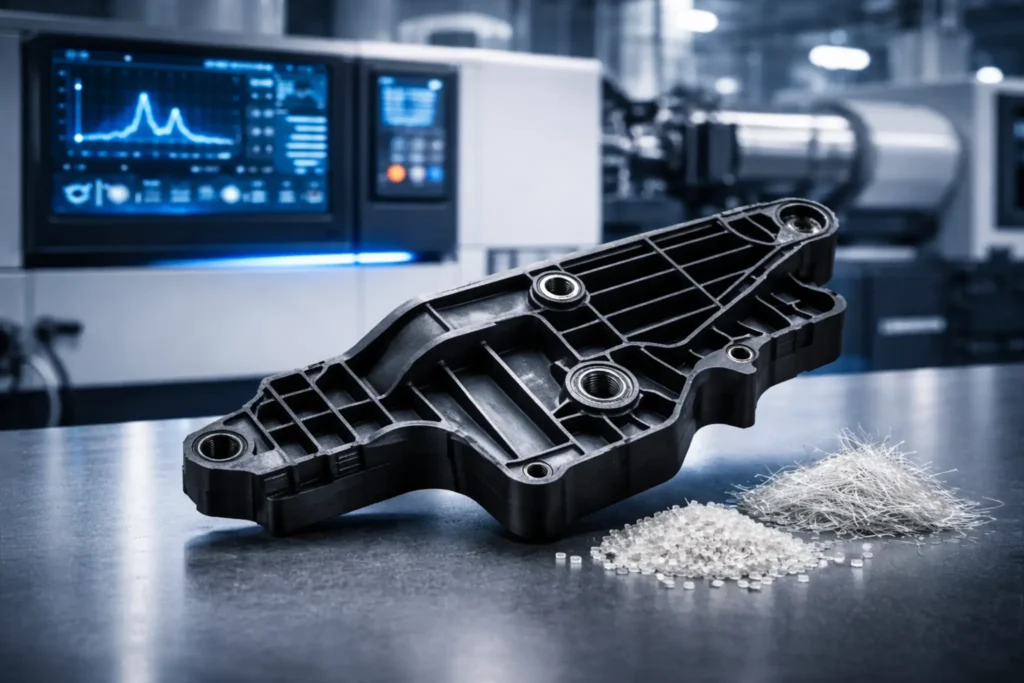
Nylon Injection Molding: Process Control, Material Selection, and Real-World Production Limits Nylon injection molding is a controlled exercise in three linked realities: The only reliable way to run nylon at scale is to treat moisture content as a primary process variable. In 2026, sustainability (bio-attributed resins) and closed-loop smart sensors are no longer “nice-to-have” they

Nylon Injection Molding Read More »

Nylon 11 vs 12

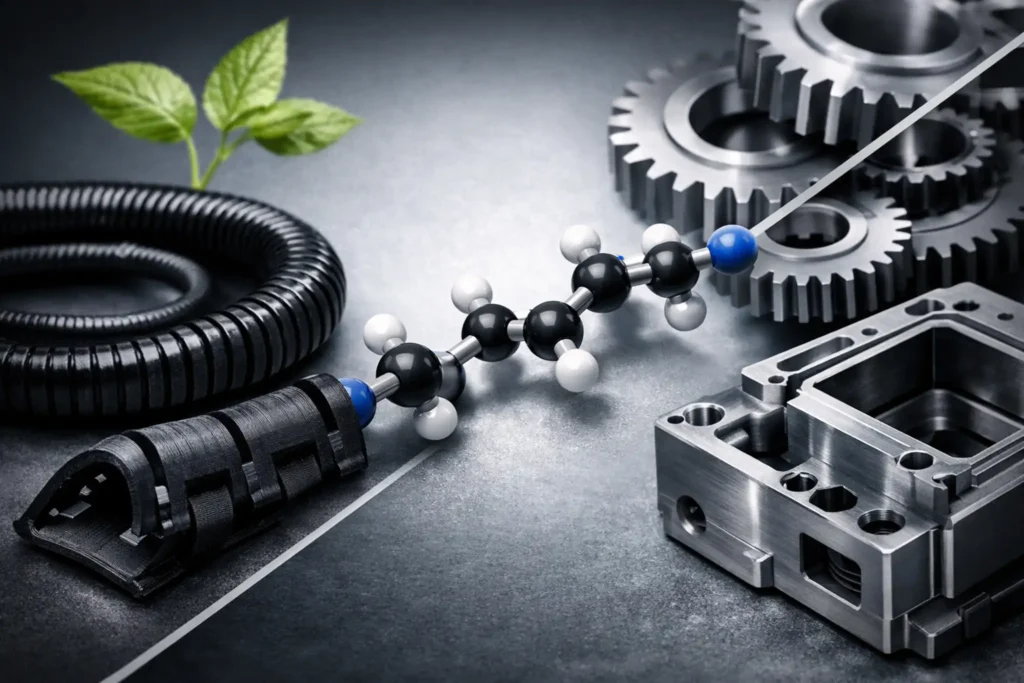
Nylon 11 vs. 12: The Engineer’s Guide to Performance, Cost, and Sustainability Contents1 Executive Summary: 10-Second Decision Matrix1.1 When Nylon 11 Is the Better Choice1.2 When Nylon 12 Makes More Sense2 The Science of One Carbon Atom: Why 11 ≠ 122.1 Molecular Structure & Density Comparisons 2.2 The Bio-Based Reality: Castor Beans vs. Petroleum 3 Moisture Absorption:

Nylon 11 vs 12 Read More »

Nylon 6 6

Nylon 6 6 (PA66): Properties, Performance Limits, and Use Cases Nylon 6 6 (PA66) delivers the thermal stability and mechanical rigidity required for components operating under high-load and elevated-temperature environments. This high-performance thermoplastic provides superior abrasion resistance and stiffness compared to PA6 or commodity resins. Engineers specify PA66 for structural automotive, industrial, and electrical applications where

Nylon 6 6 Read More »

Nylon 11

Nylon 11: Properties, Uses, Price, and How It Compares to Nylon 12 Contents1 Quick Answer — What Is Nylon 11 and Why Is It Used?2 Nylon 11 Chemical Formula & Molecular Structure2.1 Chemical Formula Explained2.2 Nylon 11 Molecular Structure and Chain Behavior3 Key Properties of Nylon 11 (Why Engineers Choose It)3.1 Mechanical Properties (Strength, Flexibility,

Nylon 11 Read More »

Glass Filled Nylon

Glass Filled Nylon: Grades, Performance Trade-Offs, and When It Actually Makes Sense Glass Filled Nylon is not a “materials theory” topic—it’s a material selection decision where the wrong choice can trigger cracking, warpage, and in-field failure. In this post, I’ll give you direct, engineering-level clarity on when Glass Filled Nylon actually makes sense—and when it

Glass Filled Nylon Read More »

Glass Reinforced Polyester (GRP)

Glass Reinforced Polyester (GRP): Properties, Uses, Safety & Grades Glass reinforced polyester (GRP) is a composite material formed by combining glass fibers with a polyester resin matrix to achieve structural strength, durability, and resistance to environmental stress. It is widely used across construction, industrial, marine, and electrical sectors where corrosion resistance and weight reduction are

Glass Reinforced Polyester (GRP) Read More »